AM/FM Radio Receiver
Tuning Into Invisible Waves of Sound
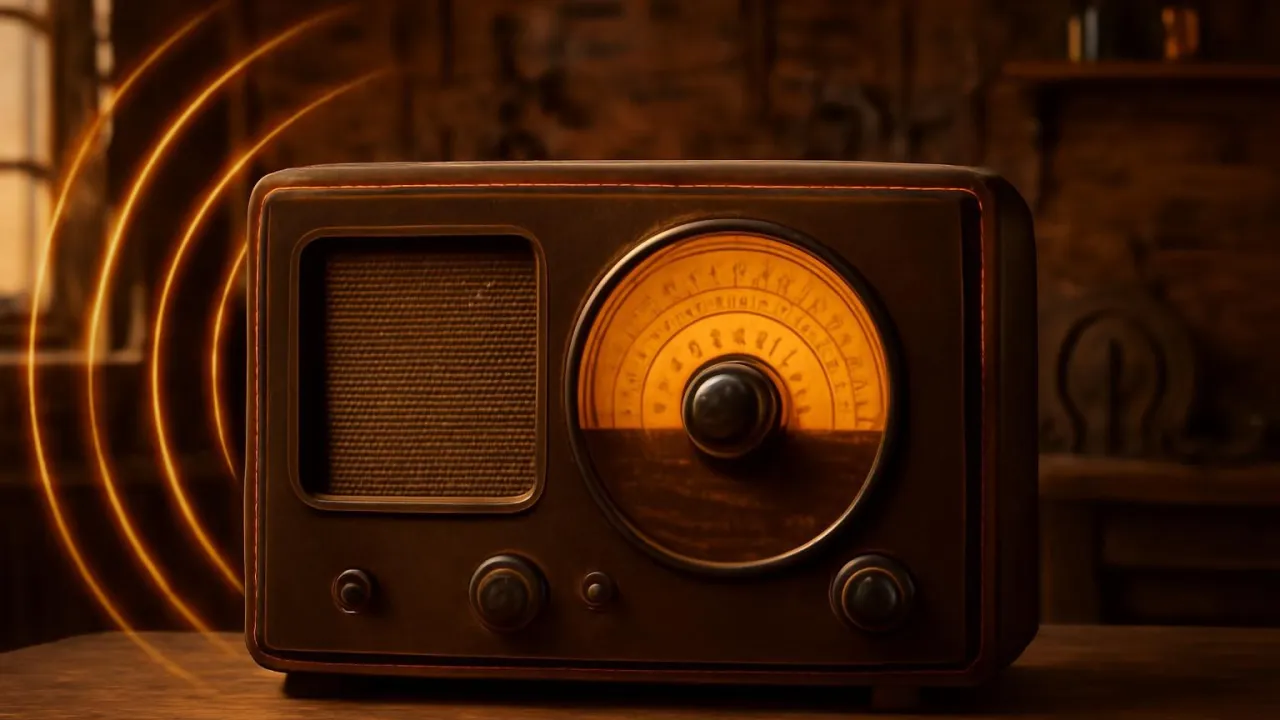
The world’s most powerful AM radio station, WLW in Ohio, once broadcast at 500,000 watts—enough to light a small town!
1 The Science of Tuning In
When you adjust a radio’s tuning dial, you’re selecting a precise frequency from a spectrum filled with hundreds of electromagnetic signals. The radio’s antenna, often a metal rod or coil, is engineered to resonate at specific frequencies, maximizing the capture of desired radio waves while minimizing interference from others. Inside, the receiver’s circuits use filters and amplifiers to isolate and strengthen the chosen signal, preparing it for . This entire process relies on the physics of resonance and electromagnetic wave propagation, which allows information to travel vast distances at nearly the speed of light.
2 AM and FM: Modulation Methods Explained
Amplitude Modulation (AM) encodes sound by varying the amplitude, or height, of the carrier wave, making it robust for long-distance transmission but susceptible to static from electrical storms. Frequency Modulation (FM), invented by Edwin Armstrong in 1933, encodes information by changing the frequency of the wave, greatly reducing noise and improving sound . The radio’s demodulator circuit interprets these changes, converting the encoded electromagnetic energy into electrical signals that can drive a speaker.
3 From Prototype to Global Phenomenon
Reginald Fessenden’s pioneering voice transmission in 1900 marked the dawn of radio broadcasting, while Armstrong’s FM breakthrough revolutionized audio quality. Early radios were large, powered by batteries or hand-cranks, and required careful tuning. As and later transistors were introduced, radios became smaller, more reliable, and affordable for millions of people. The rapid spread of radio receivers transformed society by making real-time news, educational programs, and entertainment accessible to nearly everyone.
4 Impact on Society and Modern Innovations
Radio receivers have played vital roles in emergencies, wars, and everyday life, providing instant communication across continents. Today’s radios use advanced digital signal processing, allowing for crystal-clear audio, automatic tuning, and even internet streaming. Despite competition from new technologies, AM and FM radio remain essential, especially in remote areas and during disasters. The radio receiver’s evolution showcases the intersection of physics, engineering, and social change.
5 The Future of Radio Reception
Modern radio receivers integrate with smartphones, satellites, and the internet, blending analog and digital technologies. Engineers continue to develop new ways to filter noise, increase sensitivity, and miniaturize components, making radios more powerful and portable than ever. Digital radio standards, such as HD Radio and DAB, offer more channels and higher sound quality, ensuring radio’s relevance for future generations. The humble AM/FM radio receiver remains a testament to human curiosity and our desire to connect across any distance.
1. Why did FM radio become popular for music?
2. How do modern radios improve on early designs?