AM/FM Radio Receiver
Tuning Into Invisible Waves of Sound
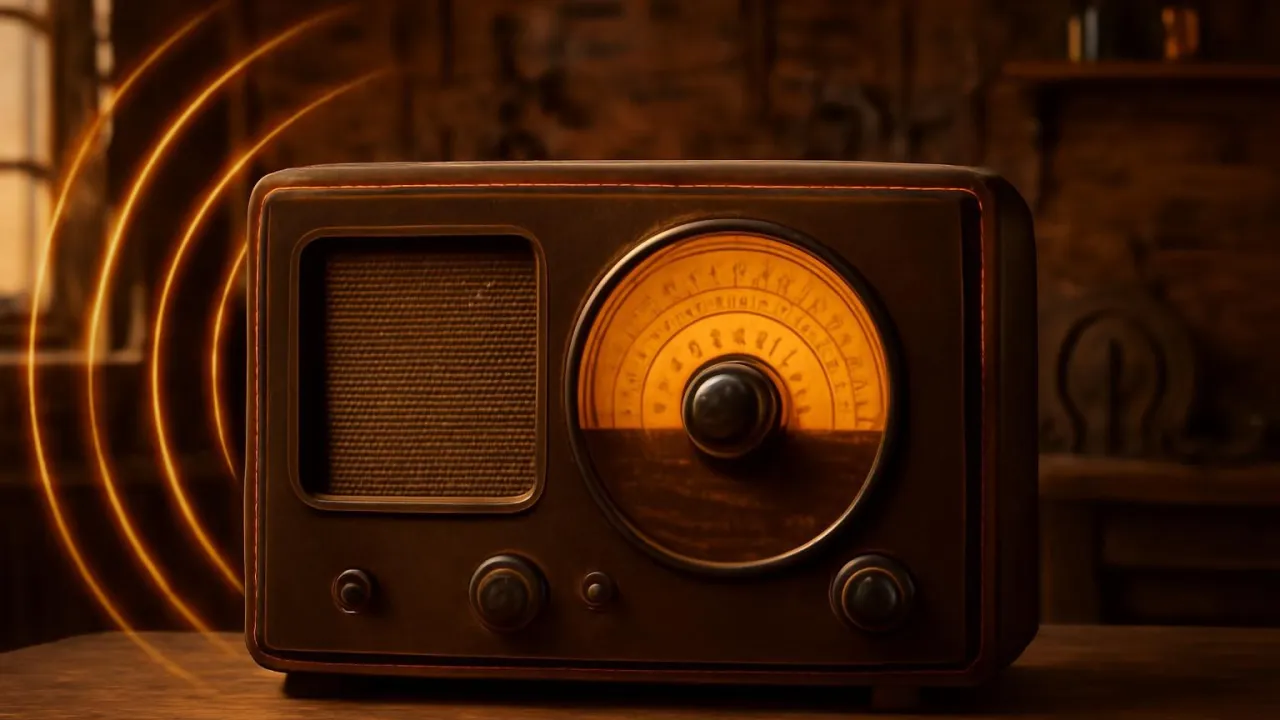
FM radio was invented to reduce static and make music sound crystal clear!
1 Tuning Into the Air
When you twist a radio’s tuning knob, you’re searching for invisible signals all around you. These signals, called radio waves, move through the air at the speed of light. The radio receiver’s grabs the waves and sends them to special circuits. Suddenly, music or news fills the room as the receiver turns signals into sound.
2 How AM and FM Work
AM stands for Amplitude and FM means Frequency Modulation. In AM, the wave’s height changes to carry sound, while in FM, the wave’s speed changes instead. FM usually gives clearer sound, but AM can travel farther, especially at night. Both types use vibration and to make the speaker move and create sound you can hear.
3 Inventors and History
Reginald Fessenden sent the first voice by radio in 1900. Later, Edwin Armstrong invented FM radio in 1933, making music sound much better. Radios became very popular, letting families hear news, sports, and stories from far away. The invention of radio changed how people shared information all over the world.
4 Radios Everywhere
Today, you can find radios in cars, phones, and even alarm clocks. Radios help people listen to weather alerts, music, and important news. Some people still build their own radios as a science project. The radio receiver is a great example of how science and engineering connect people everywhere.
1. Who invented FM radio?
2. What does the antenna do in a radio?