AM/FM Radio Receiver
Tuning Into Invisible Waves of Sound
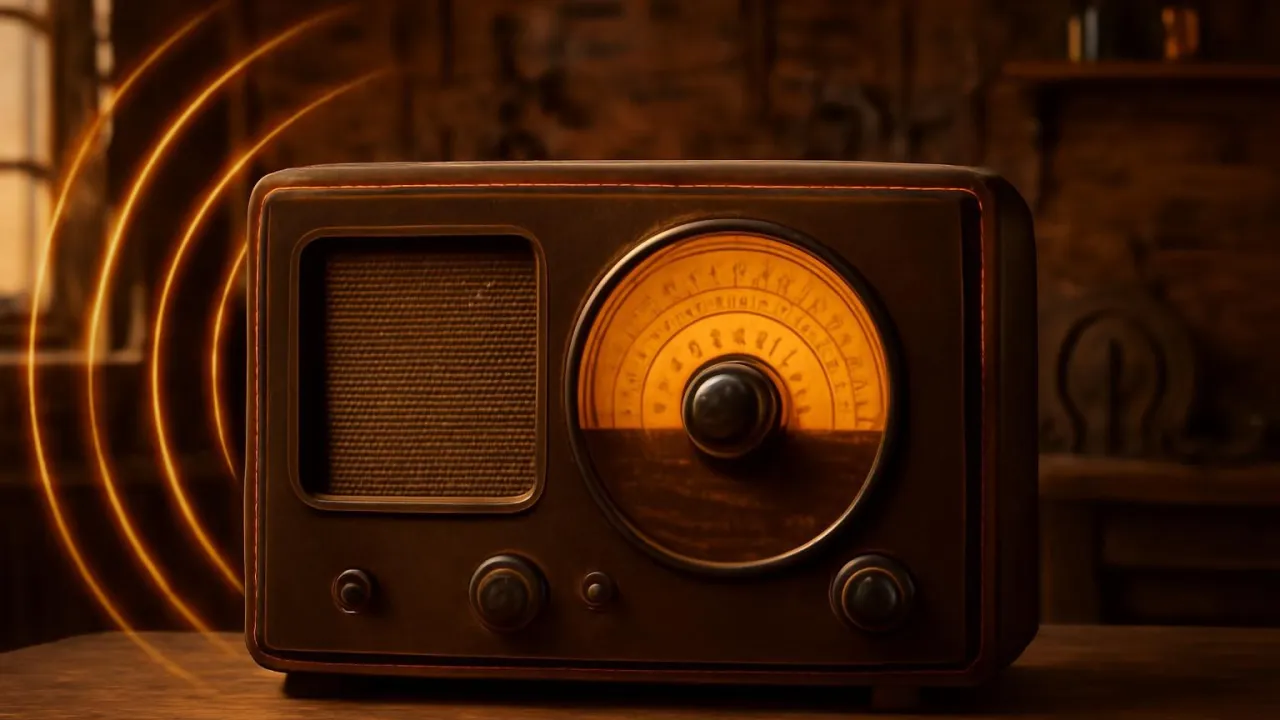
Some AM radio signals can bounce off the atmosphere and travel over 1,000 miles!
1 Catching Invisible Signals
When you tune a radio, you’re actually selecting a from a sea of invisible waves. These waves are broadcast by radio stations and picked up by your radio’s antenna, which is designed to resonate with certain frequencies. The receiver’s circuits filter out unwanted signals, isolating just the station you want to hear. This process lets you listen to music, news, or even weather alerts from faraway places.
2 AM and FM: Two Ways to Send Sound
AM (Amplitude Modulation) and FM ( Modulation) are two different ways of encoding sound onto radio waves. AM changes the height, or amplitude, of the wave to carry information, allowing signals to travel long distances, especially at night. FM changes the wave’s frequency, making it less prone to static and better for music. The radio’s circuits these changes and send them to the speaker, which vibrates to create sound.
3 The Inventors Behind the Waves
Reginald Fessenden made history in 1900 by sending the first voice transmission over radio waves. Edwin Armstrong’s invention of FM radio in 1933 made broadcasts clearer and less noisy. Radios quickly became a part of daily life around the world, connecting people to important events and entertainment. The invention of the radio receiver sparked a global communication revolution.
4 Radios in Our World Today
Modern radios are found in cars, smartphones, and emergency kits, using advanced digital circuits for even better sound. Radio receivers still use the same basic physics—catching, filtering, and decoding waves. They help spread information quickly during emergencies and bring people together through shared music and stories. Even with the internet, radio remains a powerful tool for connecting communities worldwide.
1. Why does FM radio sound clearer than AM?
2. What does a radio’s speaker do?