MRI Scanner
Peeking Inside the Human Body With Magnet Magic
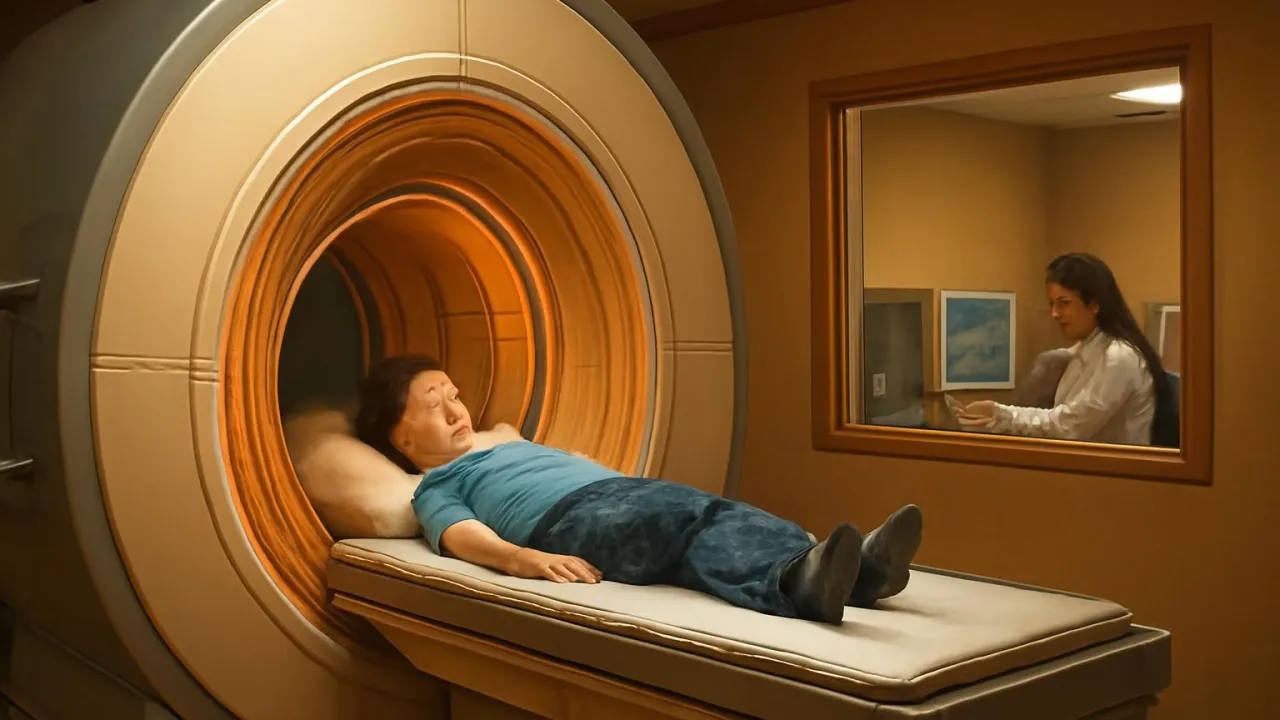
The strongest MRI scanners can create magnetic fields over 140,000 times stronger than a refrigerator magnet!
1 Inside the MRI: A Sensory Adventure
As you slide into the cylindrical MRI scanner, you are surrounded by a powerful magnetic field up to 60,000 times stronger than Earth’s. The machine produces rhythmic thumping, clicking, and buzzing sounds as electric currents flow through tightly wound superconducting coils. Patients must remain perfectly still, sometimes for over an hour, to prevent image blurring from even the smallest movement. Technicians monitor the procedure from a shielded control room, communicating with you through speakers and microphones. The experience can feel futuristic, but every sound and sensation is part of a precise scientific process.
2 The Physics of Magnetic Resonance Imaging
MRI works by aligning the hydrogen nuclei in your body’s water molecules using a strong magnetic field. When a radiofrequency pulse is applied, these nuclei absorb energy and enter a higher energy state, a process called . As the pulse stops, the nuclei release energy, emitting radio signals that are detected by receiver coils. Sophisticated computers analyze these signals, constructing high-resolution, cross-sectional images of organs, muscles, and even the brain’s intricate structures. Unlike x-rays or CT scans, MRI uses no ionizing radiation, making it a safer choice for repeated imaging.
3 From Invention to Medical Revolution
Dr. Raymond Damadian, an American physician and scientist, built the first full-body MRI scanner in 1977 after discovering that cancerous tissue responded differently to magnetic fields. His prototype, called 'Indomitable,' paved the way for rapid advances in medical imaging. By the 1980s, MRI machines were being installed in hospitals worldwide, transforming how doctors diagnose strokes, tumors, joint injuries, and more. Today, over 100 million MRI scans are performed globally each year, saving countless lives through early detection and precise treatment planning.
4 Engineering Marvels and Quantitative Power
Modern MRI scanners use cooled with liquid helium to nearly absolute zero, eliminating electrical resistance and enabling fields of 1.5 to 7 Tesla (the unit of magnetic strength). Gradient coils change the magnetic field in tiny steps, allowing the machine to target specific body regions and create three-dimensional images. Advanced MRI techniques, like functional MRI (fMRI), can even map brain activity by tracking changes in blood flow, opening new frontiers in neuroscience and psychology. The engineering behind MRI is a blend of physics, electronics, and medical science.
5 The Future: Faster, Sharper, and More Accessible
Researchers are developing portable and ultra-high-field MRI systems that could make scanning quicker and available in more places, including remote clinics. Artificial intelligence is being used to interpret MRI data faster and with greater accuracy, reducing wait times and improving diagnoses. As MRI technology evolves, it continues to inspire new discoveries in biology, medicine, and engineering. The MRI scanner is not just a machine—it is a window into the living mysteries of the human body, forever changing the way we see ourselves.
1. How do gradient coils help MRI scanners create detailed images?
2. Why is MRI considered safer than x-ray or CT scans for repeated use?