MRI Scanner
Peeking Inside the Human Body With Magnet Magic
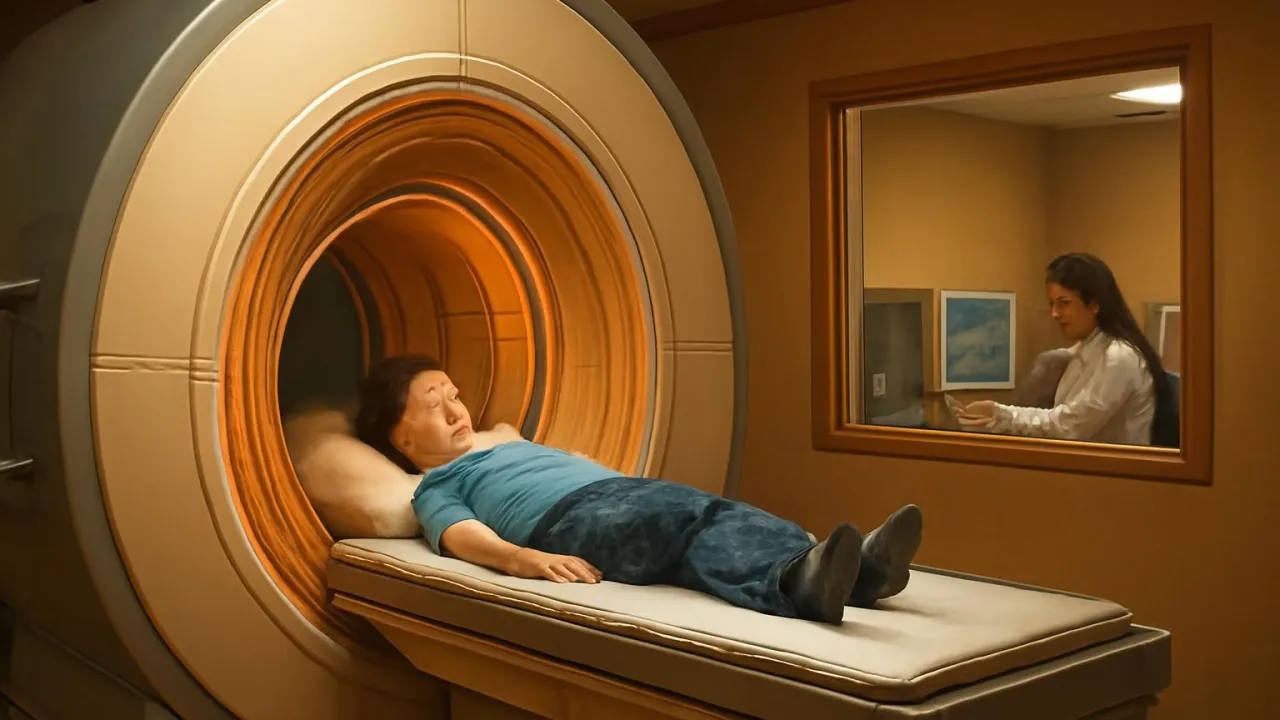
Superconducting magnets in MRI machines are cooled to nearly -452°F using liquid helium!
1 The Magnetic Tunnel Experience
When you lie inside an MRI scanner, you hear rhythmic thumps and buzzing as the machine works. The tunnel is a large, cylindrical chamber lined with powerful magnets. You must stay very still, because even tiny movements can blur the images. Technicians watch from a control room, making sure you are safe and comfortable throughout the scan.
2 The Science Behind MRI
MRI stands for Magnetic Resonance Imaging, a technology that uses physics to look inside the body. The scanner’s strong magnetic field lines up in your tissues, and radio waves make them vibrate. When the radio waves stop, the atoms send back signals, which the computer turns into detailed images. This process does not use any harmful radiation, making it safer than x-rays or CT scans.
3 A Revolution in Medicine
The first human MRI scan was performed in 1977 by Dr. Raymond Damadian and his team. Before MRI, doctors could not see soft tissues like the brain or muscles very clearly. Now, MRI images help diagnose injuries, tumors, and diseases quickly and accurately. Millions of MRI scans are performed worldwide each year, saving lives and improving treatments.
4 Global Impact and Future Possibilities
MRI technology has changed healthcare all over the world, making early possible for many illnesses. Scientists are now developing even faster MRI machines that can show how the brain works in real time. Hospitals, research centers, and sports teams all use MRI for different reasons. In the future, MRI may become even more advanced, helping people stay healthy in new ways.
1. Why do MRI machines use superconducting magnets?
2. What does MRI help doctors see best?