Virtual Reality Headset
Step Inside a Digital World!
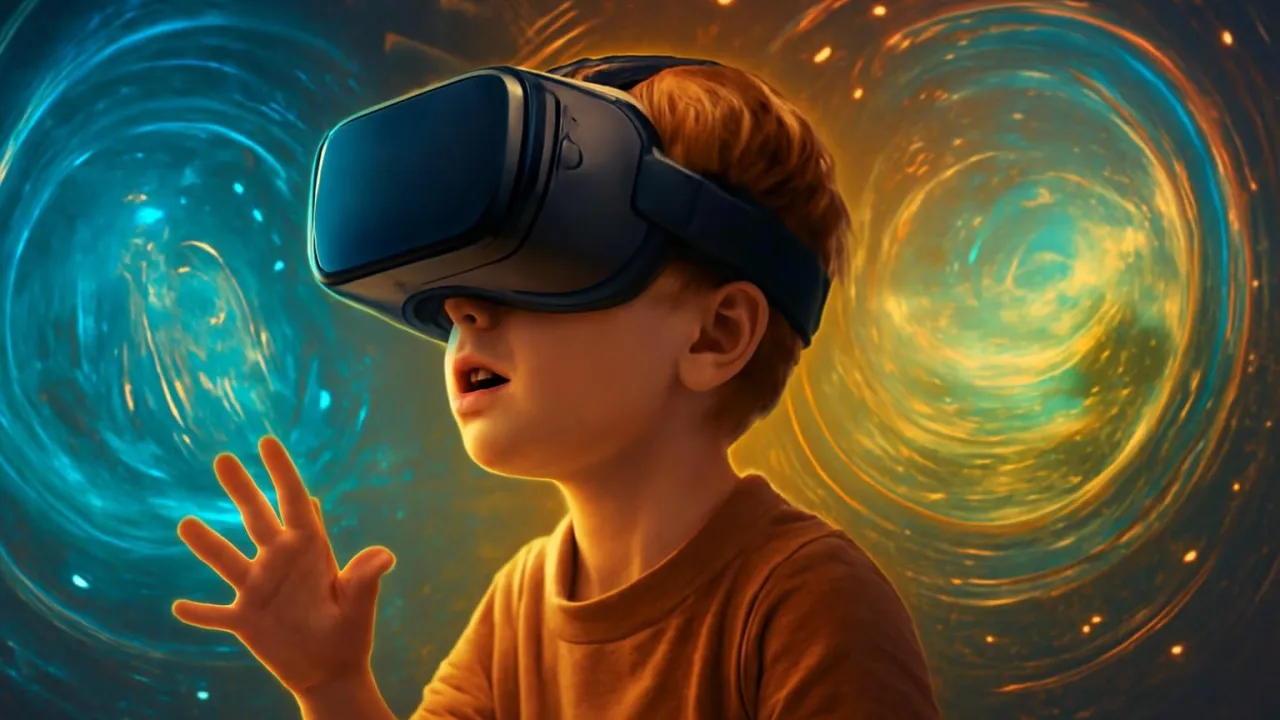
Some VR headsets can track your hands and even your facial expressions in real time!
1 A Portal to Digital Worlds
When you slip on a virtual reality headset, your eyes and ears are surrounded by screens and speakers that block out the real world. These headsets use stereoscopic displays and precise lenses to create a sense of depth, making flat images appear three-dimensional. As you move your head, motion sensors like gyroscopes and instantly update the view, so the digital world moves just as your real world would. This seamless movement tricks your brain, producing a powerful called immersion.
2 Engineering the Experience
To keep the convincing, VR headsets need high-resolution screens and fast computers that can update images in milliseconds. If the images lag behind your movements, your brain notices and you might feel dizzy or sick. Modern headsets use advanced and lightweight materials to make the experience smooth and comfortable. Some even include eye-tracking sensors, allowing the virtual world to respond to where you’re looking.
3 Beyond Play: Real-World Uses
While VR is famous for video games, its uses go far beyond entertainment. Scientists use VR to simulate natural disasters or study animal habitats. Architects design buildings and walk through them before construction even begins. Surgeons practice delicate operations on virtual patients, and teachers take students on field trips to ancient cities or outer space—all without leaving the classroom.
4 A Growing Global Impact
Since Palmer Luckey’s Oculus Rift sparked the modern VR era in 2012, headsets have become more affordable and widespread. Companies worldwide are developing new ways to use VR in medicine, education, and art. As technology improves, virtual reality may change how people learn, work, and connect across the globe.
1. Why do VR headsets need fast computers?
2. How do scientists use VR?