Television
How Flickering Screens Changed Our World
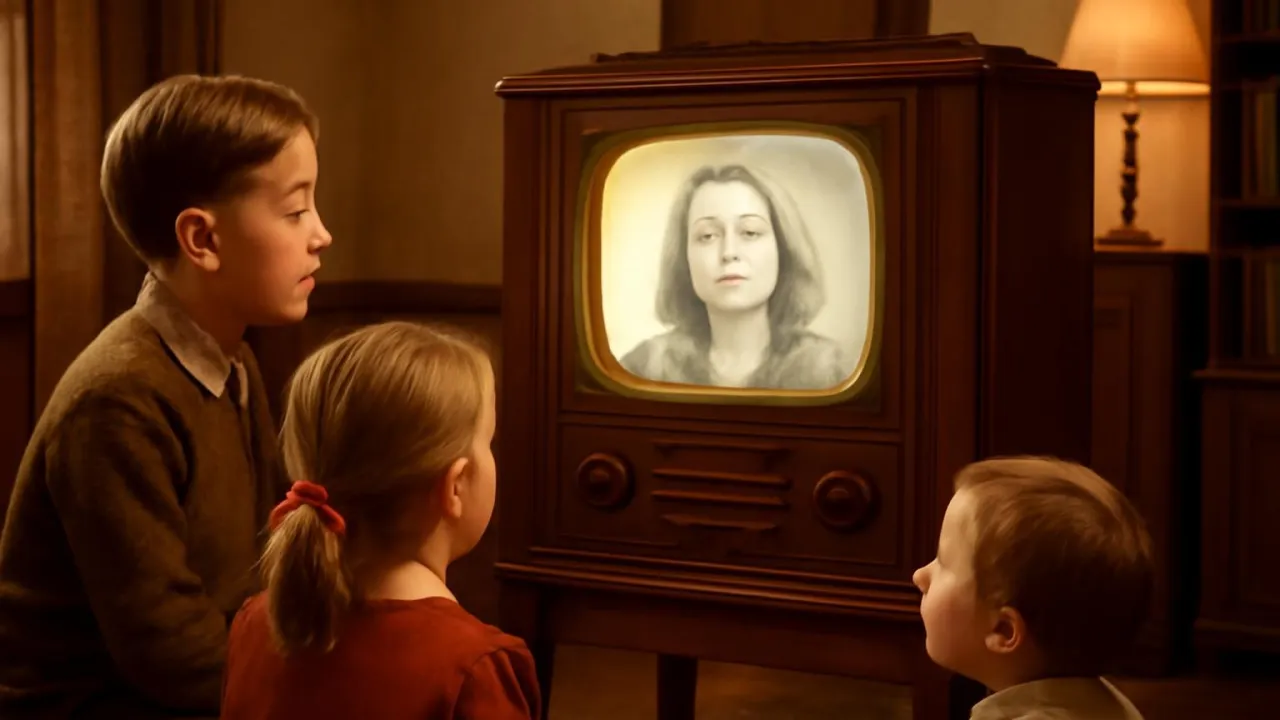
The first color TV broadcast in the U.S. happened in 1954!
1 Inventing Moving Pictures
Early inventors like Philo Farnsworth and John Logie Baird experimented with ways to send moving images through the air. They combined spinning disks, glass tubes, and electricity to build the first working televisions. These early sets used cathode ray tubes, which fired electrons at the screen to create glowing images. Watching TV for the first time felt like science fiction come to life for many families.
2 How Television Transforms Signals
Television works by turning pictures and sounds into electronic signals. These signals are broadcast from tall towers or sent through cables to homes. Inside the TV, the cathode ray tube or modern flat screens use electricity to light up tiny dots called . When these pixels change color quickly, your eyes see moving images and hear matching sounds.
3 Channels, Remotes, and Choices
Each television channel is a special that carries different shows and news. The remote control uses light or radio waves to tell the TV to change channels. This lets families easily switch between cartoons, sports, and world news. Over time, television became a main source of information and entertainment for people everywhere.
4 Changing the World
Television helped people witness history, learn about science, and enjoy music or stories from other cultures. It made global events, like the moon landing, visible to millions at once. As technology improved, TVs became flatter, clearer, and even connected to the internet. Today, television continues to shape how we see and understand our world.
1. What does a pixel do on a TV?
2. How did TV help people learn about the world?