Smartphone
Pocket-Sized Power: The World in Your Hand
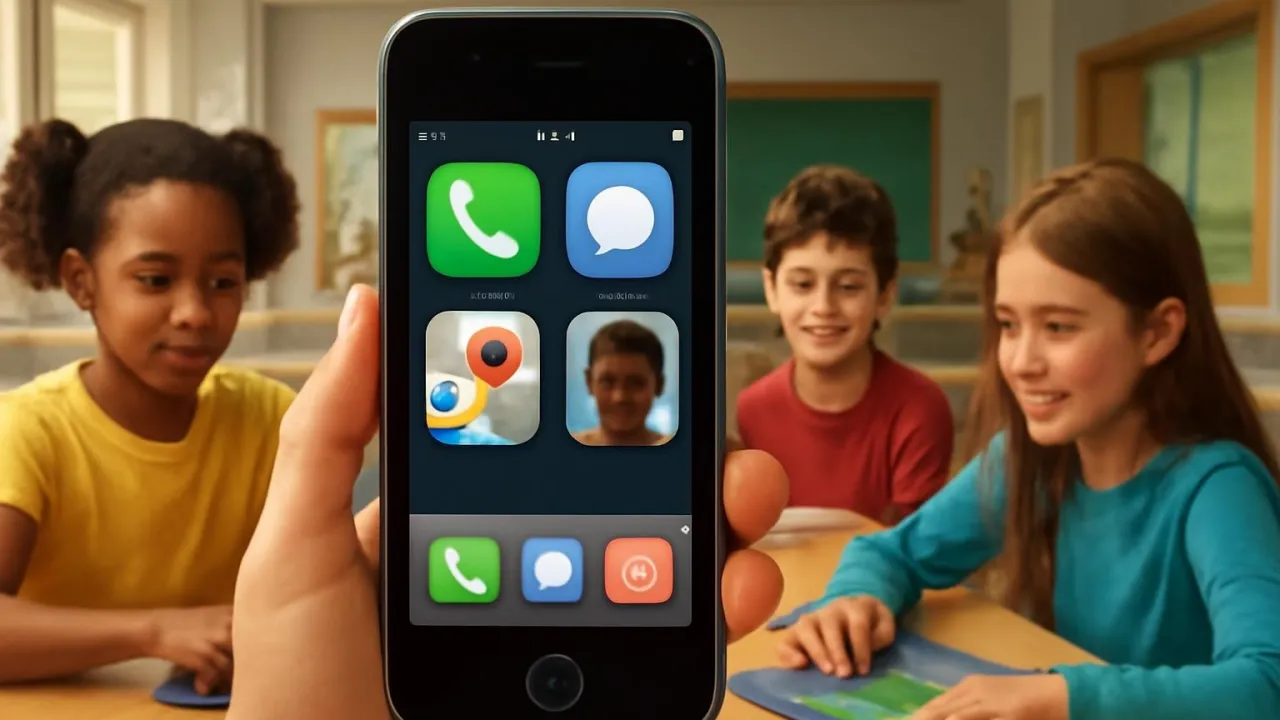
The world’s fastest smartphone processors can perform over 15 trillion operations per second—faster than some supercomputers from the early 2000s!
1 Engineering Marvels in Your Pocket
Modern smartphones are compact marvels of engineering, combining advanced , high-resolution touchscreens, and multiple sensors in a device smaller than most notebooks. The microprocessor acts as the brain, rapidly processing billions of instructions per second, while the touchscreen uses technology to detect the tiniest electrical changes from your fingertips. Accelerometers and gyroscopes sense motion and orientation, enabling features like screen rotation and step counting. Smartphones also include radios for cellular, Wi-Fi, Bluetooth, and GPS, allowing seamless communication and navigation almost anywhere on Earth. All these components work together to create a device that is both powerful and portable.
2 A Revolution in Communication
The smartphone’s evolution began with IBM Simon in 1992, which combined a mobile phone with a touchscreen and email capabilities, though it was bulky and limited. The real revolution started in 2007, when Apple introduced the iPhone, featuring a sleek design, responsive multi-touch interface, and an app ecosystem that encouraged global innovation. Since then, smartphones have rapidly advanced, with faster processors, sharper cameras, and more sophisticated software arriving each year. Today, smartphones are central to how people communicate, replacing landlines, cameras, and even computers for billions worldwide.
3 How Smartphones Work
Smartphones operate by converting your voice, images, and data into digital signals, which are transmitted wirelessly through networks of cell towers and satellites. The touchscreen detects the electrical charge from your finger, allowing precise control of apps and features. Sensors like proximity detectors, barometers, and magnetometers add new capabilities, from face recognition to augmented reality. The operating system coordinates all hardware and software, managing memory, security, and multitasking so users can switch between apps smoothly. Battery technology and efficient chip design make it possible for smartphones to run all day on a single charge.
4 Global Impact and Challenges
Smartphones have transformed global society, enabling instant access to information, education, and entertainment for over 6 billion users. They have revolutionized industries, from medicine and journalism to transportation and finance, and have become essential tools for social connection and activism. However, smartphones also present challenges, such as electronic waste, digital distraction, and privacy concerns, which engineers and policymakers are working to address. As technology continues to evolve, smartphones are expected to become even more intelligent, sustainable, and integrated into daily life.
5 The Future in Your Hands
Each new generation of smartphones brings more advanced features, such as artificial intelligence, security, and foldable screens. Engineers are exploring new materials, like graphene, to make devices lighter and more durable, while software developers create apps that solve real-world problems. The smartphone’s journey from a bulky experiment to a sleek, powerful tool shows how human creativity and engineering can change the world. As you hold a smartphone, you’re holding the result of decades of invention and the promise of even greater discoveries ahead.
1. What is the main purpose of a smartphone’s microprocessor?
2. Which challenge is related to smartphone use today?