Incandescent Light Bulb
How a Tiny Glow Lit Up the World
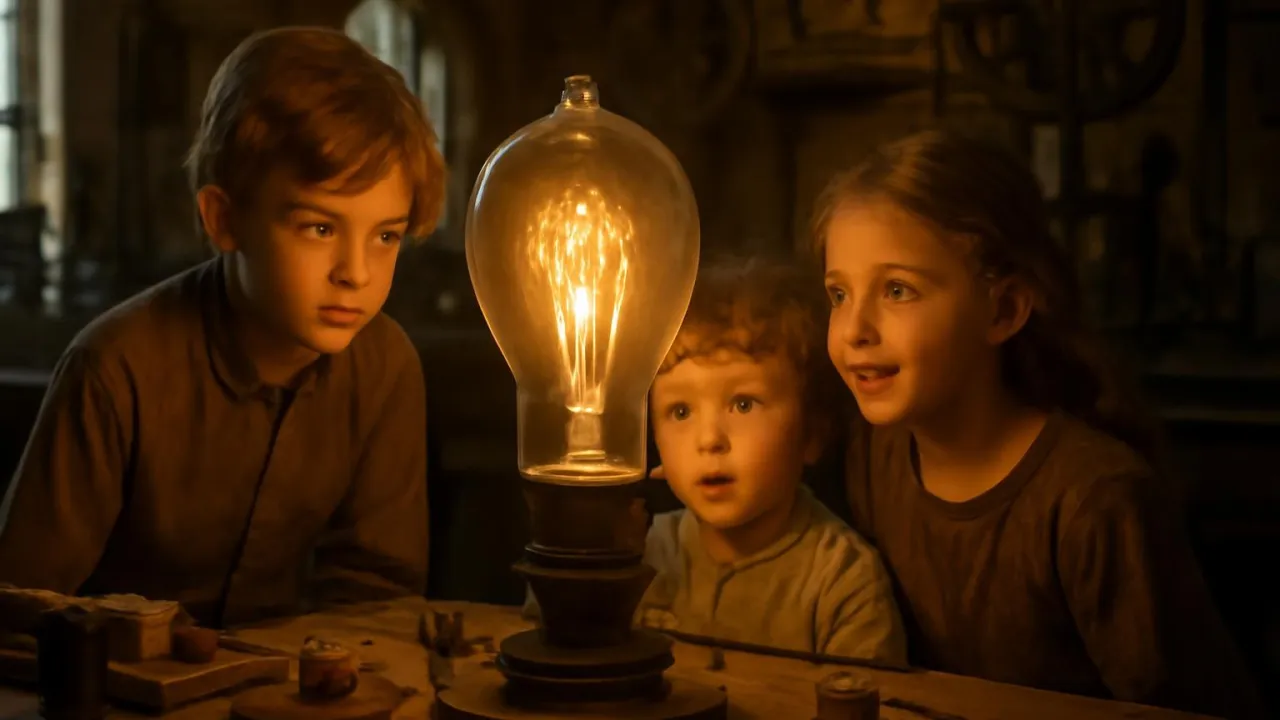
Tungsten filaments in bulbs can reach 4,500 degrees Fahrenheit when glowing!
1 Lighting Up the Night
Before the light bulb, people relied on candles, oil lamps, and gaslights, which were dim and sometimes dangerous. Thomas Edison’s incandescent bulb offered a safer, brighter, and longer-lasting way to light homes and streets. The invention quickly spread through cities and towns, transforming daily life. Suddenly, people could work, study, and socialize long after sunset.
2 The Science Behind the Glow
The heart of the bulb is a filament, usually made from , a metal with a very high melting point. When electricity flows through the filament, it vibrates and heats up until it glows with visible light—a process called . The glass bulb is sealed to keep out oxygen, preventing the hot filament from burning up. This clever design lets bulbs shine for hundreds or even thousands of hours.
3 Inventing and Improving the Bulb
Edison’s team built hundreds of , searching for a filament that would last. Early bulbs used carbonized bamboo, but soon became the standard because it could withstand even higher temperatures. Each improvement made bulbs brighter, safer, and more affordable for families everywhere. The invention was so important that it helped spark the spread of electricity to homes and cities.
4 A World Transformed
The incandescent bulb changed how people lived, worked, and played. Factories could operate at night, students could study after dark, and city streets became safer. The invention also inspired new technologies, like electric appliances and communication systems. Today, while many people use LED or fluorescent lights, the incandescent bulb’s bright idea still shines in history.
1. Why is the glass bulb sealed tightly?
2. How did the bulb help cities grow?