Graphical User Interface (GUI)
How Pictures and Pointers Changed Computing Forever
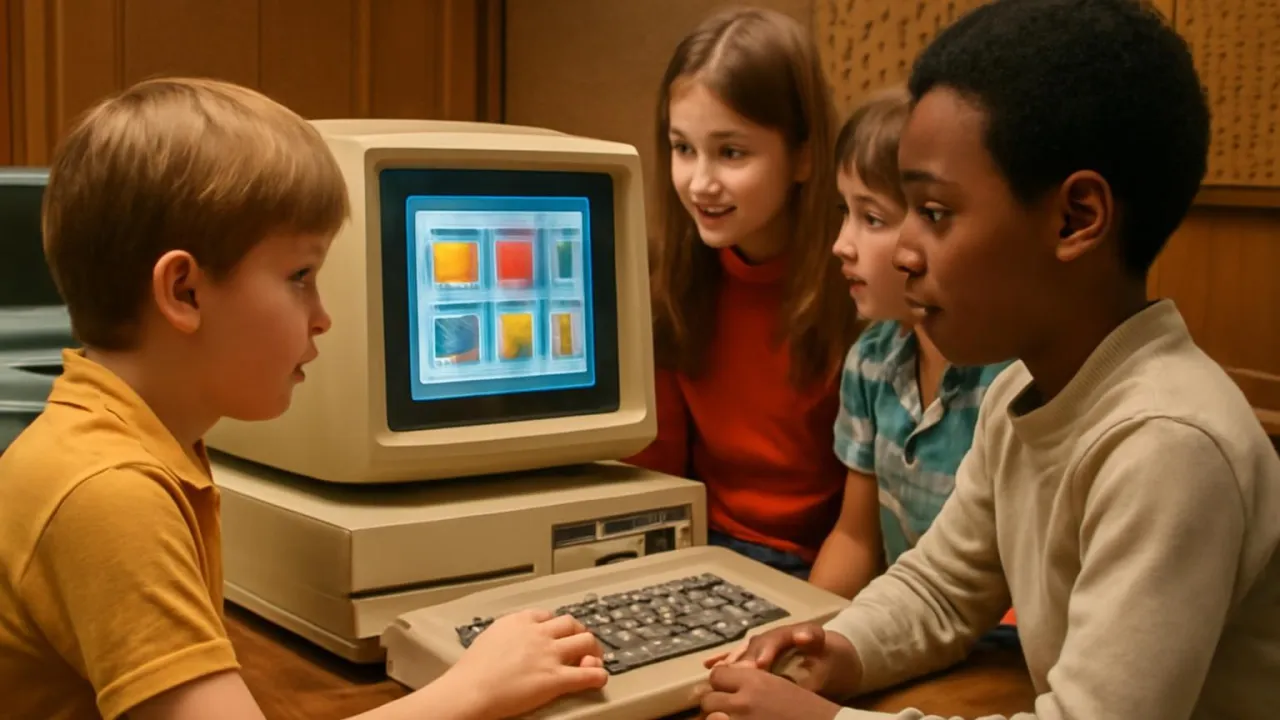
The Xerox Alto’s GUI used 606 x 808 pixels—huge for its time and perfect for displaying detailed windows and icons.
1 The Dawn of Visual Computing
Before the graphical user interface, or GUI, computers were controlled by typing exact commands into a text-only screen. This method, called a command-line interface, required users to memorize complex instructions and made computers difficult for most people to use. The invention of the GUI at Xerox PARC in the early 1970s revolutionized this experience by introducing visual elements like icons, windows, and menus. Suddenly, users could interact with computers by pointing, clicking, and dragging, making technology more inviting and intuitive.
2 Engineering the GUI: Pixels, Pointers, and Processors
A GUI relies on bitmapped graphics, which display thousands of tiny pixels arranged in rows and columns on a screen. The mouse controls a pointer, sending electrical signals to the computer’s processor, which interprets these movements and translates them into actions on the display. When you click an icon, the GUI converts your action into , launching programs or opening files. This seamless translation between human input and computer operations is a triumph of engineering, combining hardware, software, and design.
3 The Xerox Alto: Where It All Began
The first working GUI appeared on the Xerox Alto in 1973, featuring overlapping windows, clickable icons, and a mouse for navigation. Although the Alto was never sold to the public, its groundbreaking design inspired Apple's Lisa and Macintosh, as well as Microsoft Windows. These later systems brought GUIs to homes, schools, and offices, making computers accessible to millions of people worldwide.
4 Global Impact and Cultural Transformation
GUIs democratized computing by removing barriers to entry and enabling people of all backgrounds to use technology. They sparked new fields like user experience (UX) and digital design, and influenced everything from smartphones to smart appliances. Today, GUIs are essential in education, communication, entertainment, and even healthcare, proving their lasting impact on society and culture.
5 The Future: Beyond Desktop GUIs
Modern GUIs continue to evolve, incorporating touchscreens, gesture controls, and voice commands. Engineers now use principles of , accessibility, and to design interfaces that are both efficient and enjoyable. As technology advances, GUIs will keep adapting, ensuring that people everywhere can interact with computers in creative and meaningful ways.
1. Why did GUIs make computers more popular with the public?
2. What engineering principle allows a mouse click to open a window?