CRISPR Gene Editor
Snipping and Rewriting the Code of Life
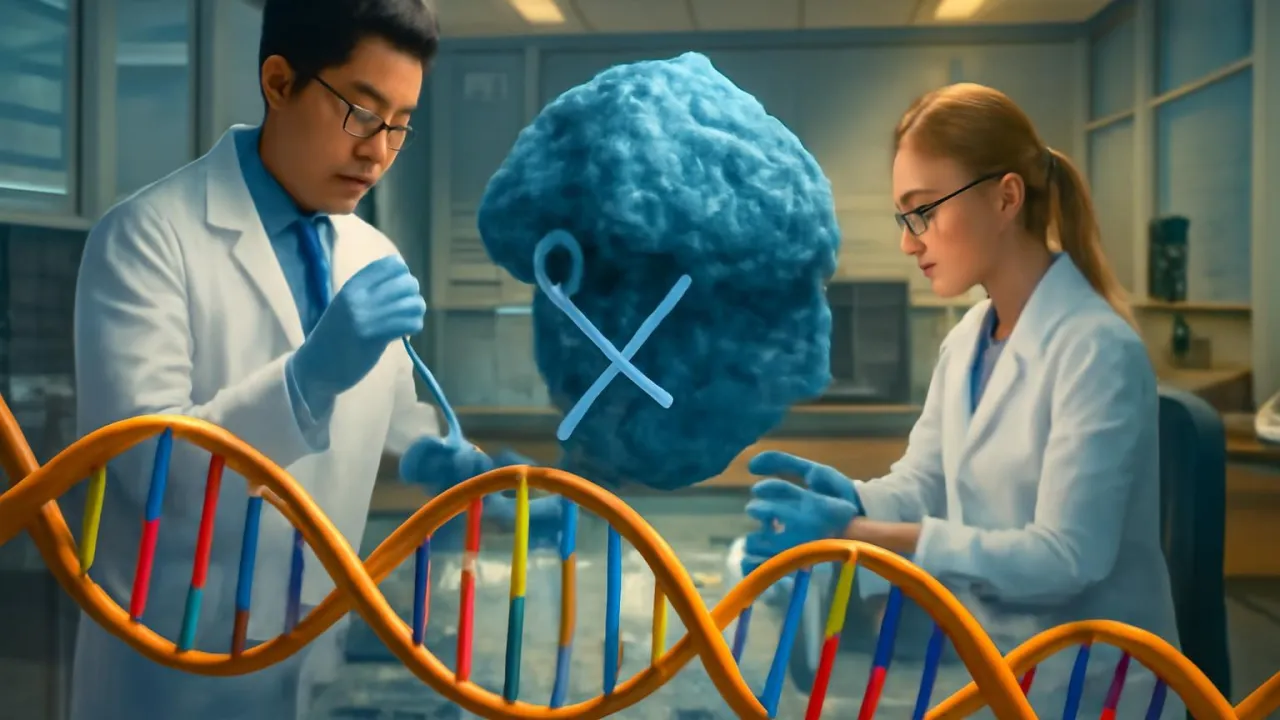
The human genome contains about 3 billion DNA letters, and CRISPR can target a single one with pinpoint accuracy!
1 Origins: From Bacterial Defense to Genetic Revolution
CRISPR technology originated from the discovery that bacteria capture snippets of viral DNA and store them as genetic records, which they use to recognize and destroy future invaders. In 2012, Jennifer Doudna and Emmanuelle Charpentier harnessed this bacterial immune system to develop a programmable gene-editing tool, launching a new era in molecular biology. CRISPR stands for 'Clustered Regularly Interspaced Short Palindromic Repeats,' referring to the unique DNA sequences found in bacterial . Their breakthrough transformed a natural microbial process into a revolutionary technology for editing genes in virtually any organism. This invention has already earned its creators a Nobel Prize in Chemistry.
2 Mechanics: How CRISPR-Cas9 Edits DNA with Precision
The CRISPR-Cas9 system uses a synthetic guide RNA to direct the Cas9 to a specific DNA sequence, where Cas9 creates a double-stranded break. This break activates the cell’s natural repair mechanisms, allowing scientists to introduce targeted genetic changes by adding, removing, or replacing DNA segments. The specificity of the guide RNA ensures that only the intended gene is edited, minimizing off-target effects. CRISPR editing is significantly faster, more affordable, and more accurate than previous gene-editing technologies such as zinc finger nucleases or TALENs. This precision allows researchers to study gene function and correct genetic with unprecedented control.
3 Applications: Transforming Medicine, Agriculture, and Environmental Science
CRISPR is being used to develop experimental therapies for genetic disorders like sickle cell anemia, cystic fibrosis, and certain types of blindness. In agriculture, CRISPR enables scientists to engineer crops that are more nutritious, pest-resistant, and tolerant of drought or extreme temperatures. Environmental scientists are exploring CRISPR to control invasive species or reduce the spread of diseases by editing the genes of mosquitoes. The technology is also accelerating research in basic biology, allowing scientists to investigate the roles of specific genes in health and disease. These wide-ranging applications could help solve some of humanity’s most pressing challenges.
4 Ethical Considerations: Balancing Innovation and Responsibility
The ability to edit genes in humans, animals, and plants raises complex ethical questions about safety, fairness, and unintended consequences. Editing somatic cells to treat diseases is generally accepted, but editing germline cells—those that pass changes to future generations—is highly controversial. International organizations are working to establish guidelines that ensure CRISPR is used safely and ethically, with input from scientists, ethicists, and the public. Responsible use of CRISPR requires careful study of potential risks, ongoing public dialogue, and transparent decision-making. As the technology advances, society must balance the promise of gene editing with respect for human rights and biodiversity.
5 The Future: Expanding Possibilities and Ongoing Research
Researchers are developing even more precise gene-editing tools, such as base editors and prime editors, which can change single DNA letters without cutting both strands. Clinical trials using CRISPR are underway for diseases like sickle cell anemia, showing promising early results. Scientists are also exploring ways to use CRISPR for gene drives to control pests or restore endangered species, though these applications require careful ecological study. The future of CRISPR will depend on continued innovation, robust ethical oversight, and global cooperation. As we unlock the secrets of the genetic code, CRISPR offers hope for treating disease, improving food security, and understanding the very foundations of life.
1. What makes CRISPR more precise than older gene-editing tools?
2. Why is editing germline cells controversial?