CRISPR Gene Editor
Snipping and Rewriting the Code of Life
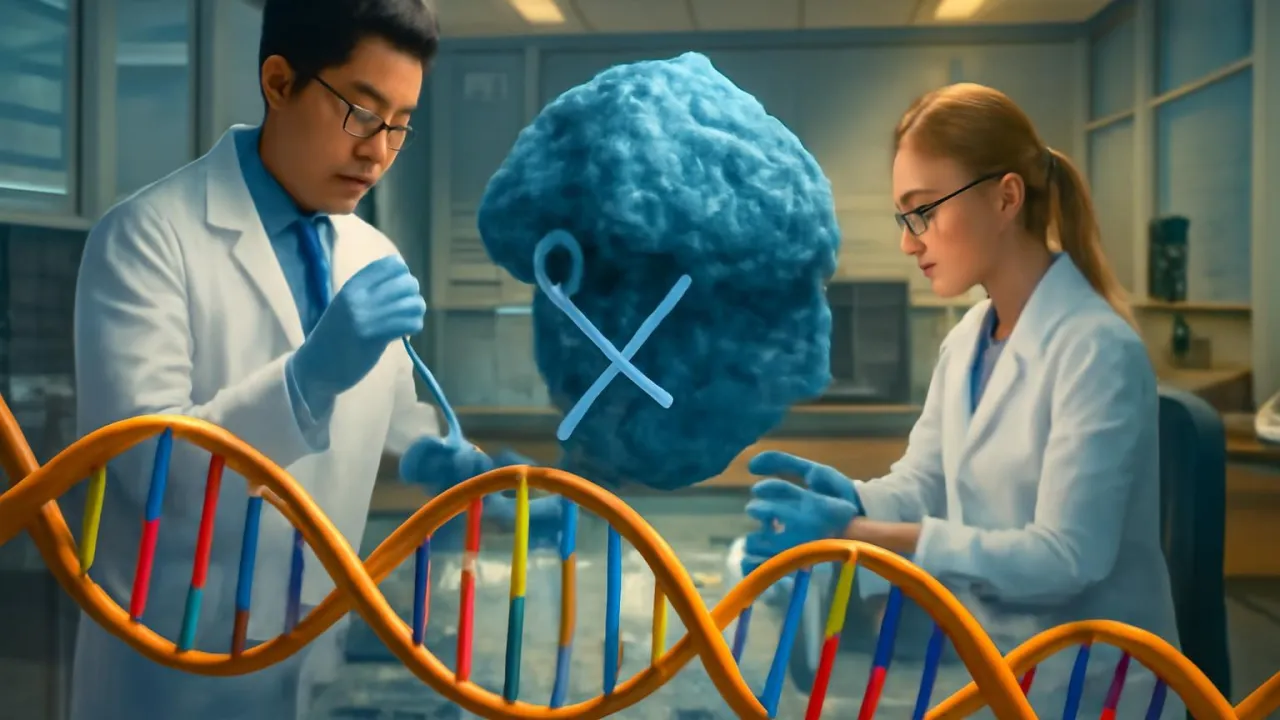
CRISPR can edit genes in living embryos, allowing scientists to study how life develops from its very beginning!
1 A Scientific Breakthrough
CRISPR was adapted from a natural defense system that bacteria use to fight off invading viruses, storing pieces of viral DNA as a . In 2012, Jennifer Doudna and Emmanuelle Charpentier invented a way to use this system as a precise gene editing tool. Their work allowed scientists to target and modify DNA in almost any living thing. This breakthrough changed the field of genetics and medicine forever.
2 How CRISPR-Cas9 Edits Genes
The CRISPR system uses a custom-designed guide RNA to recognize a specific DNA sequence. Once the guide RNA finds its match, the Cas9 protein acts as molecular scissors, creating a in the DNA. Scientists can then add, delete, or swap DNA segments at the cut site, a process known as gene editing. This method is much faster, more accurate, and less expensive than previous gene editing techniques.
3 Transforming Medicine and Agriculture
CRISPR is being used to develop treatments for genetic diseases like cystic fibrosis and sickle cell anemia. In agriculture, it helps create crops that are resistant to drought, pests, and disease, improving food security worldwide. Researchers are also exploring ways to use CRISPR to eliminate mosquitoes that spread malaria. These advances could have a huge impact on global health and food supplies.
4 Ethics and the Future of CRISPR
With great power comes great responsibility, and scientists are carefully considering the ethical questions CRISPR raises. Editing genes in humans could help cure diseases, but it also raises concerns about safety and fairness. International guidelines are being developed to make sure CRISPR is used responsibly. The future of gene editing will depend on careful research and thoughtful choices.
1. Why is CRISPR considered a breakthrough in science?
2. What is one concern with gene editing?