Canning & Food Preservation
Sealing Freshness: The Science That Changed Food Forever
In 1974, researchers opened a can of veal from 1824—and found it still safe to eat!
1 Thermal Sterilization: The Science of Safe Storage
Canning preserves food by heating it in airtight containers to temperatures high enough to destroy bacteria, molds, and enzymes that cause spoilage. This process, called , typically reaches at least 212°F (100°C) for acidic foods and up to 250°F (121°C) for low-acid foods. As the containers cool, the air pressure inside drops, forming a powerful vacuum seal that prevents any new or oxygen from entering. Without oxygen and living microbes, chemical and biological breakdown of the food nearly stops, allowing it to remain safe and edible for months or even years.
2 Nicolas Appert: The Father of Canning
In 1795, the French government offered a prize to anyone who could invent a way to preserve food for Napoleon’s armies. Nicolas Appert, a Parisian chef and confectioner, spent years experimenting with glass jars, corks, and hot water baths. By 1810, he had perfected a process that sealed cooked food in glass bottles, winning the prize and launching the era of modern food preservation. Soon after, Englishman Peter Durand patented the use of tin-plated iron cans, making large-scale shipping and storage possible.
3 A Global Revolution in Food Security
Canning transformed societies by making it possible to store and transport nutritious foods across continents and seasons. Soldiers, sailors, and explorers relied on canned meats, vegetables, and fruits during long expeditions. In the 19th and 20th centuries, canned foods helped feed growing cities and armies, reduced famine risk, and made diverse diets possible worldwide. Today, canned goods are essential for disaster relief, space travel, and feeding people where fresh food is scarce.
4 Engineering the Modern Canning Industry
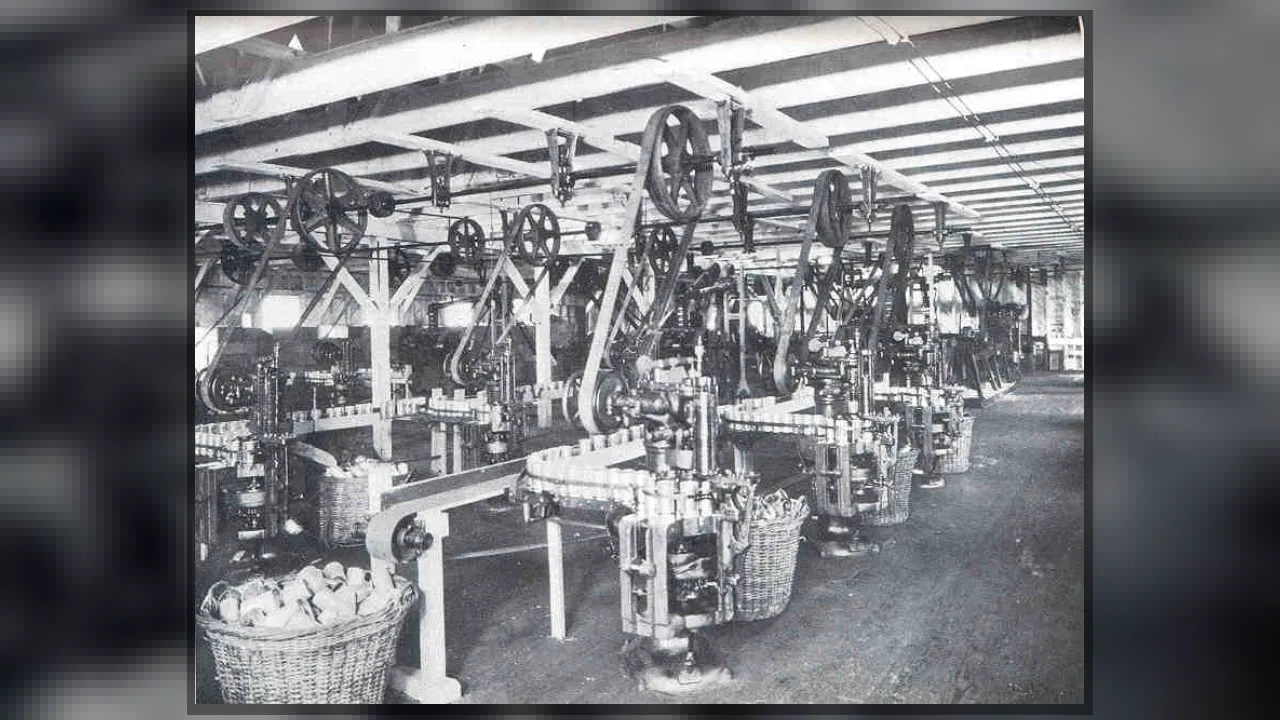
Modern canning uses automated machinery to fill, seal, and heat cans or jars with extreme precision. Foods are classified by , and the canning process is adjusted to ensure complete sterilization—high-acid foods like tomatoes require less heat, while low-acid foods like beans need higher temperatures and longer times. Quality control includes checking vacuum seals, inspecting for leaks, and testing for microbial safety. This engineering ensures food remains safe, nutritious, and flavorful for extended periods.
5 The Legacy and Future of Canning
Canning continues to evolve with new materials, sustainability efforts, and improved safety standards. Scientists study the effects of heat and vacuum on nutrients, while engineers design recyclable packaging and energy-efficient processes. Canned foods help reduce global food waste, provide emergency nutrition, and allow people everywhere to enjoy foods from distant places and seasons. The simple act of sealing a jar still connects us to a world-changing invention over two centuries old.
1. Why do low-acid foods require higher canning temperatures?
2. How did canning help feed cities and armies?