Canning & Food Preservation
Sealing Freshness: The Science That Changed Food Forever
The oldest edible canned food ever found was over 100 years old!
1 The Physics Behind Preserved Food
Canning works by heating food in sealed containers until it reaches a temperature high enough to destroy bacteria and . As the jars or cans cool, the air inside contracts, creating a seal that prevents new germs or oxygen from entering. This vacuum is what keeps food safe and prevents spoilage for months or even years. Without oxygen and bacteria, the food stays fresh and edible far longer than usual.
2 A Revolutionary Invention from France
In the early 1800s, French inventor Nicolas Appert experimented with glass jars, corks, and wax to preserve food for Napoleon’s army. He discovered that heating and sealing food kept it from spoiling, even on long journeys. Appert’s method was so successful that he won a government prize and became known as the “father of canning.” Soon, tin cans replaced glass jars for shipping food around the world.
3 Changing the Way the World Eats
Canning allowed people to enjoy fruits, vegetables, and meats out of season and far from where they were grown. Soldiers, sailors, and explorers relied on canned foods for survival in harsh environments. Grocery stores began to fill with shelves of canned goods, making healthy food available to more people year-round. Today, canning helps reduce food waste and feeds millions during emergencies.
4 The Modern Canning Process
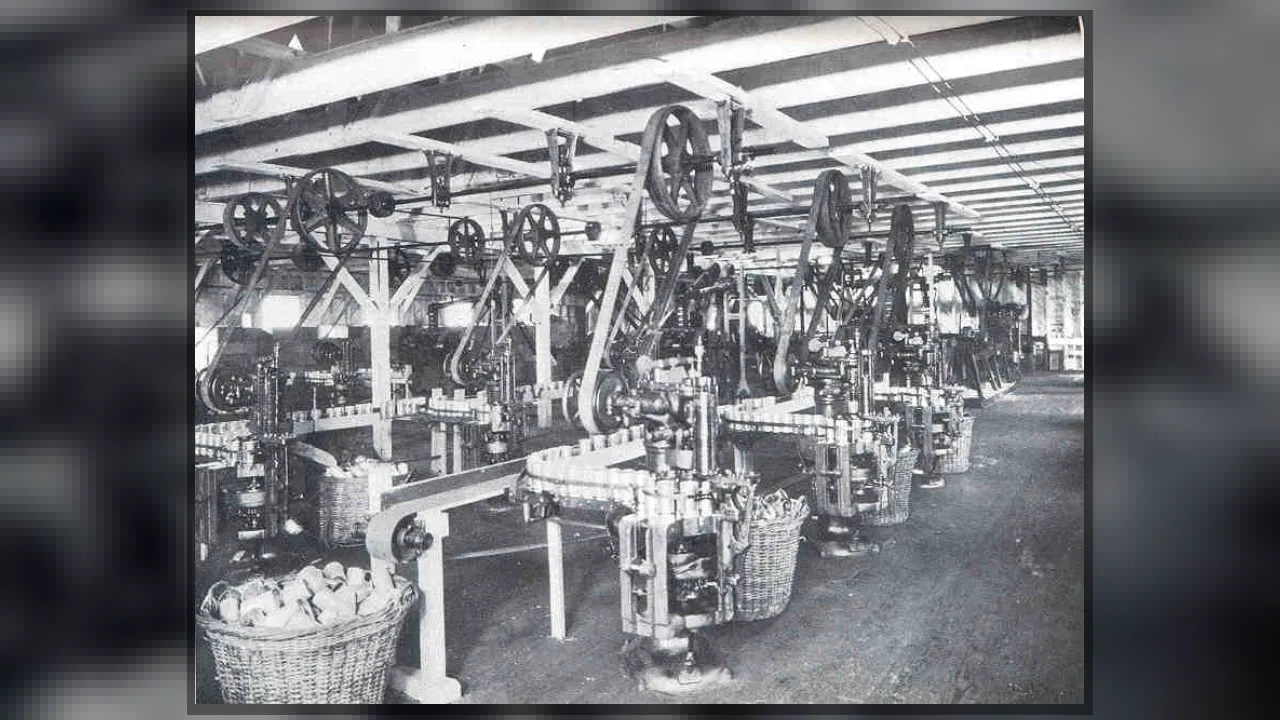
Today, canning uses precise machines to fill, heat, and seal metal cans or glass jars. Food is cooked at temperatures above 212°F (100°C) to destroy even tough bacteria. The sealed containers are checked for leaks and stored in cool, dry places. This process keeps food safe, nutritious, and ready to eat whenever needed.
1. Why is a vacuum seal important in canning?
2. What did Nicolas Appert use before tin cans?