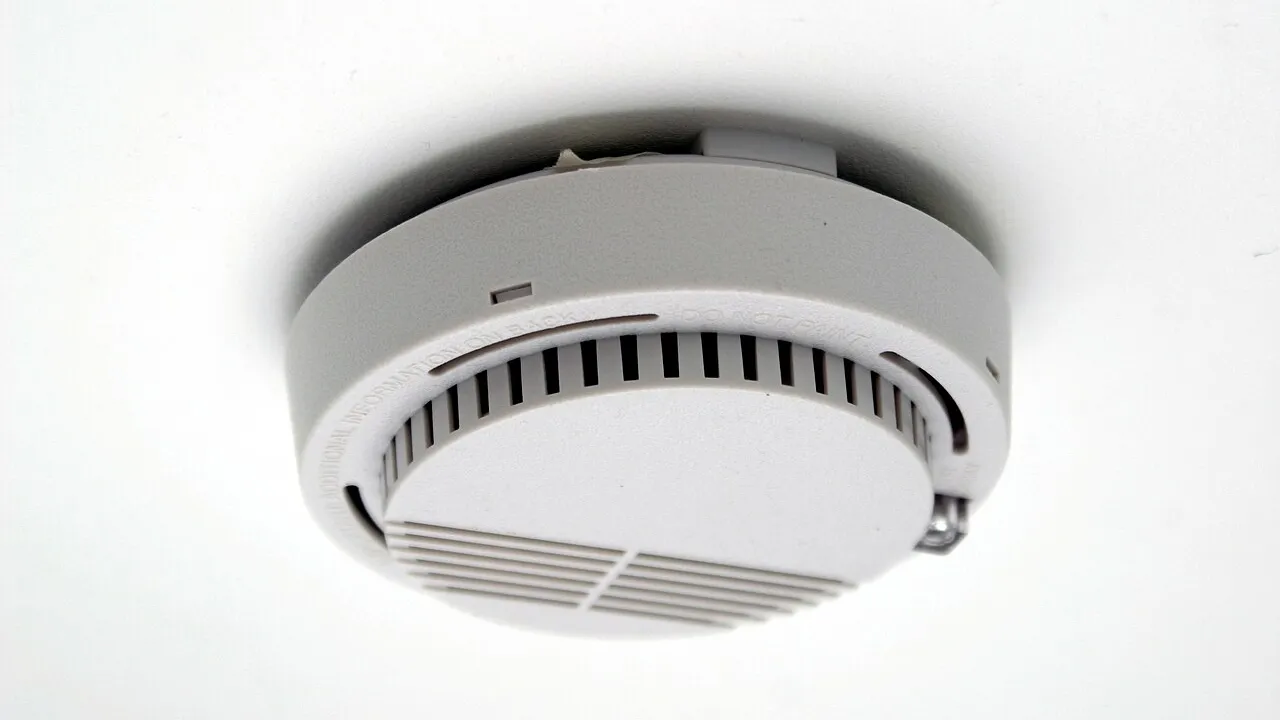
1. What does a smoke detector do when it finds smoke?
2. Where do you often see a smoke detector?
🤯 Mind-Blowing Fact • Grade 2
Smoke detectors can sense smoke even while you sleep!
✨ Word Sparks (Grade 2 Glossary)
Tap 🔊 to hear
sensor
A part that finds things
alarm
A loud warning sound
danger
Something that could hurt you
🪝
Have you ever heard a sharp beep when toast burns?
1
A Loud Warning
When smoke fills the air, the detector gives a loud beep. This sound wakes people up and tells them to check for . It helps everyone know there might be a fire.
2
How It Works
The smoke detector uses a special to find smoke. Some use light to spot tiny smoke bits, while others use electricity. Both kinds warn us before we see flames.
3
Why We Need Them
People put smoke detectors in homes and schools to stay safe. They help save lives by giving time to leave. Firefighters say every home should have one.
2. What do some smoke detectors use to find smoke?
🤯 Mind-Blowing Fact • Grade 3
Photoelectric smoke detectors use a tiny light beam that gets blocked by smoke!
✨ Word Sparks (Grade 3 Glossary)
Tap 🔊 to hear
ionization
Using electricity to sense tiny particles
photoelectric
Using light to find smoke
alarm
A loud sound that warns us
🪝
Imagine waking up to a sudden, sharp beep—what’s happening above your head?
1
The Sound of Safety
When a smoke detector senses danger, it creates a piercing sound. This loud beep travels through the house, waking people up and warning them. Even at night, the sound is strong enough to alert sleeping families. It gives everyone extra time to get to safety.
2
Inside the Detector
Smoke detectors use either an chamber or a sensor. The ionization type detects tiny particles from burning materials using electric charges. Photoelectric detectors use a beam of light that gets scattered by smoke. Both types rely on detecting changes caused by smoke in the air.
3
A Modern Invention
The first home smoke detectors were invented in the 1960s by Duane Pearsall. Before this, fires were much more dangerous because people had no early warning. Today, smoke detectors are required in most buildings to help prevent injuries and deaths.
4
Every Second Counts
Fire can spread quickly, so early warning is important. Smoke detectors give people valuable seconds to escape. Firefighters recommend testing detectors every month and changing batteries each year. These small devices make a big difference in keeping families safe.
1. What happens when smoke enters a photoelectric detector?
2. Who invented the first home smoke detectors?
🤯 Mind-Blowing Fact • Grade 4
Some smoke detectors use a tiny bit of radioactive material to sense smoke!
✨ Word Sparks (Grade 4 Glossary)
Tap 🔊 to hear
radioactive
Giving off tiny energy particles
sensor
A part that finds things
escape
To get away from danger
🪝
What if a small device could warn your whole family before you even smell smoke?
1
How Smoke Detectors Sense Danger
Smoke detectors are designed to sense tiny particles in the air before a fire grows large. Ionization smoke detectors use a small amount of material to create an electric current between two plates, which is disrupted when smoke enters. Photoelectric detectors use a light beam and a ; when smoke scatters the light, the sensor detects the change and triggers the alarm. Both types are engineered to respond quickly, giving people valuable time to .
2
A Life-Saving Invention
The first practical home smoke detector was developed by Duane D. Pearsall and Stanley Bennett Peterson in the United States during the 1960s. Before this invention, fires in homes often went undetected until it was too late. The widespread use of smoke detectors has greatly reduced fire-related injuries and deaths, making them one of the most important safety inventions of the twentieth century.
3
How They Changed the World
Today, smoke detectors are required in homes, schools, and public buildings in many countries. Their simple design and reliable function have made them a global standard for fire safety. By providing early warning, they help save lives and protect property, showing how a small invention can have a huge impact.
4
Keeping Detectors Working
To work properly, smoke detectors need regular care. Batteries should be replaced at least once a year, and the device should be tested every month. Dust and dirt can block , so it’s important to keep them clean. These steps make sure the detector is always ready to warn you in an emergency.
1. Why do smoke detectors need to be tested regularly?
2. What is one way photoelectric detectors sense smoke?
🤯 Mind-Blowing Fact • Grade 5
A smoke detector’s alarm is as loud as a lawn mower—about 85 decibels at 10 feet!
✨ Word Sparks (Grade 5 Glossary)
Tap 🔊 to hear
americium-241
A tiny radioactive metal used in detectors
micron
A millionth of a meter, very tiny
decilbel
A unit for measuring sound loudness
🪝
What if a single high-pitched beep could change the outcome of a fire emergency forever?
1
Engineering the Early Warning
Smoke detectors are sophisticated safety devices that use either ionization or photoelectric technology to sense smoke particles before a fire becomes visible. Ionization detectors contain a tiny chamber with two metal plates and a minuscule amount of , a radioactive element that ionizes air to create a steady electric current. When smoke particles enter the chamber, they disrupt the current, triggering the alarm. Photoelectric detectors, in contrast, use a light-emitting diode and a light-sensitive sensor positioned at an angle; when smoke enters, it scatters the light, causing it to hit the sensor and activate the alarm.
2
Quantitative Specs and Sensitivity
Most smoke detectors are designed to sense smoke particles as small as 0.3 to 10 in diameter, which allows them to respond rapidly to both flaming and smoldering fires. Ionization detectors are generally more sensitive to fast, flaming fires, while photoelectric detectors are better at detecting slow, smoldering fires. The National Fire Protection Association (NFPA) recommends installing both types for maximum safety. The alarm sound typically reaches 85 decibels at 10 feet, loud enough to wake sleepers and alert people throughout a home.
3
Historical Evolution and Global Impact
The first battery-powered home smoke detector was invented in 1965 by Duane D. Pearsall and Stanley Bennett Peterson, revolutionizing fire safety for families worldwide. Before this invention, most fire alarms were large, expensive, and used mainly in factories or public buildings. The introduction of affordable, compact smoke detectors led to widespread adoption in homes, saving countless lives and significantly reducing fire-related fatalities in the decades since.
4
Maintenance and Reliability
To ensure reliability, smoke detectors should be tested monthly and have their batteries replaced at least once a year. Dust and insects can interfere with sensors, so regular cleaning is essential. Modern detectors often include a test button, a low-battery warning chirp, and even interconnected systems that alert the whole house if one detector senses smoke. Proper maintenance is critical, as a non-working detector cannot provide the early warning needed during a fire emergency.
5
Future Innovations in Fire Safety
Engineers are now developing smart smoke detectors that connect to smartphones and home networks, sending alerts even when residents are away. Some advanced models combine smoke, carbon monoxide, and heat sensors to provide more accurate warnings and reduce false alarms. These innovations, along with continued public education about fire safety, aim to make homes even safer in the future. The smoke detector remains a powerful example of how engineering can protect lives on a global scale.