Sewing Machine
Stitching the World Together, One Thread at a Time
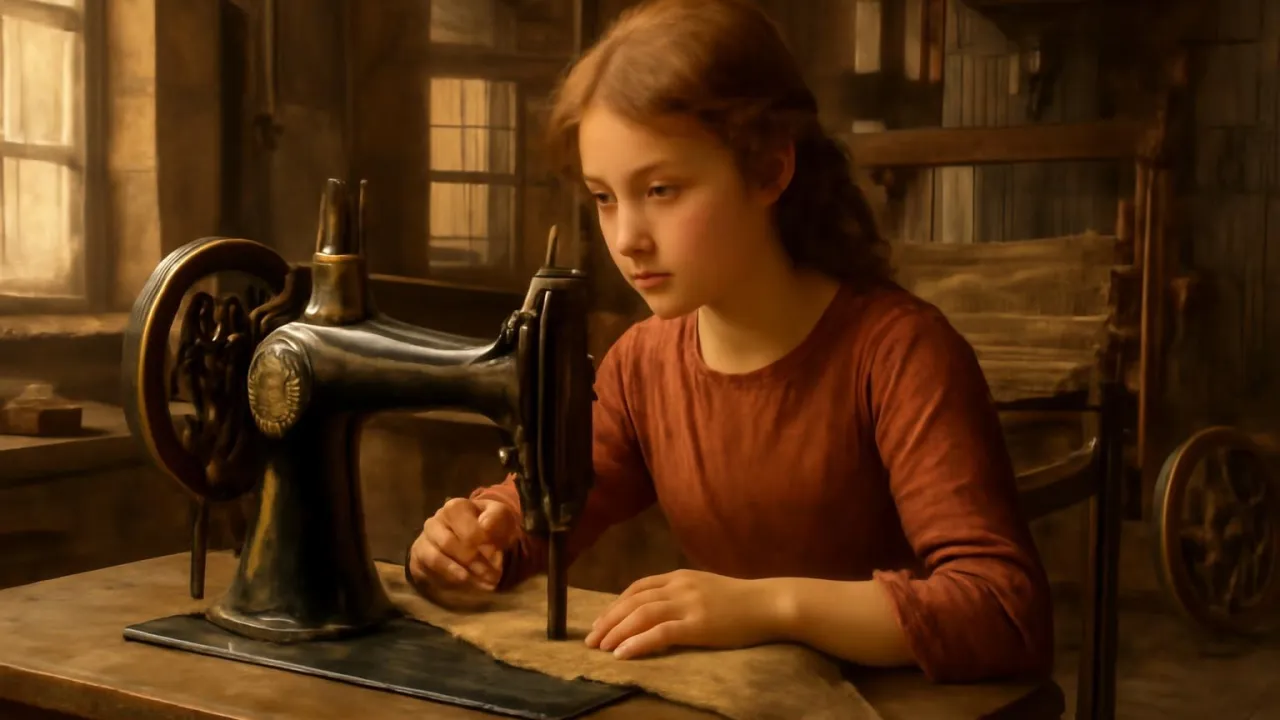
The fastest industrial sewing machines today can sew over 5,000 stitches every minute!
1 The Invention That Sped Up Sewing
Before the sewing machine, every shirt, dress, and blanket was sewn by hand, which could take hours or even days. In the mid-1800s, inventors like Elias Howe and Isaac Singer created machines that could stitch fabric rapidly and neatly. Their inventions used a needle that moved up and down, powered by a foot pedal or motor. This breakthrough allowed people to make clothing faster and with stronger, more even stitches.
2 How the Machine Works
A sewing machine uses a sharp needle that moves through the fabric, carrying a top thread. Below the fabric, a holds a second thread, and the two threads intertwine to make a lockstitch. The machine’s create vibration and rhythm, producing hundreds of stitches per minute. This process is much faster and more precise than sewing by hand.
3 From Homes to Factories
The sewing machine quickly became popular in homes and factories around the world. In factories, rows of machines allowed workers to produce clothes for many people at once, launching the modern clothing . At home, people could sew their own clothes, repair torn items, or make gifts. The sewing machine helped families save time and money, and it even led to new jobs.
4 A Global Impact
The sewing machine changed how people dressed, worked, and even traded goods. It made fashion more affordable and allowed new styles to spread quickly. Today, sewing machines can do more than just straight lines—they can zigzag, embroider, and sew thick materials. This invention continues to inspire creativity and connect cultures around the world.
1. What do the needle and bobbin work together to make?
2. Why did the sewing machine help families?