Sewing Machine
Stitching the World Together, One Thread at a Time
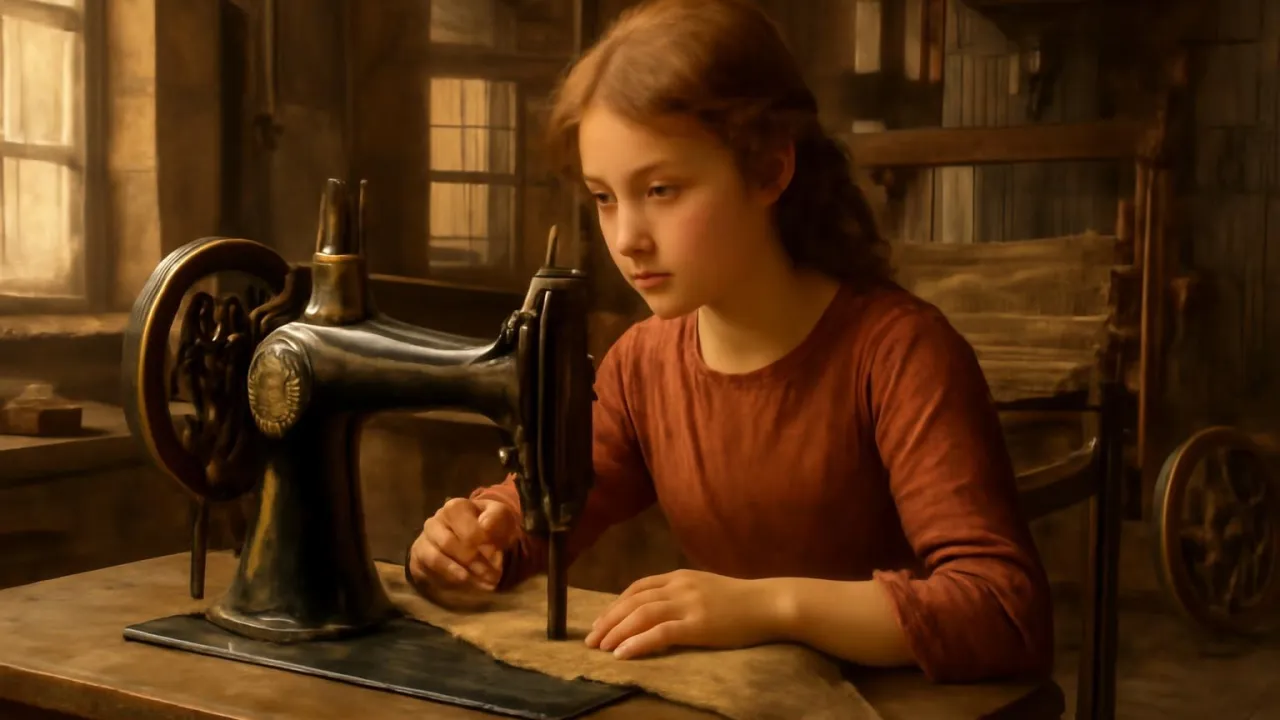
A sewing machine can stitch faster than ten people sewing by hand!
Can you hear the tap-tap of a sewing machine making clothes?
1 Whirr and Whiz
The sewing machine goes whirr and tap. It uses a sharp . The needle moves up and down. It helps people sew cloth fast.
2 Making Clothes Easy
Long ago, sewing was slow. Now, the machine helps make shirts. It can many things. People use it every day.
3 Sewing at Home
You can find sewing machines at home. Some people sew for fun. Some fix clothes with it. It makes sewing easy for all.
1. What does a sewing machine help make?
2. What moves up and down in the machine?
Some sewing machines can make over 1,000 stitches in just one minute!
What if you could make a shirt in just minutes?
1 A Machine That Sews Fast
The sewing machine makes a soft whirr and a quick tap sound. It uses a sharp needle and strong thread to join . The needle moves up and down very quickly. This helps people sew clothes much faster than by hand.
2 How People Use It
Long ago, people had to sew every stitch by hand, which took hours. Now, sewing machines help people make shirts, dresses, and even toys. Many people use them at home or in big factories. Sewing machines help fix torn clothes, too.
3 A Cool Invention
The sewing machine was invented in the 1800s by clever . It changed the way people made clothes all over the world. Today, you can find sewing machines in many homes and schools. Sewing is now fun and fast for everyone.
1. What does the sewing machine use to join fabric?
2. Who invented the sewing machine?
The first sewing machines could sew a straight line, but now some can even embroider pictures!
Have you ever wondered how clothes are stitched so perfectly and quickly?
1 The Magic of Fast Stitching
When a sewing machine runs, you hear a steady whirr and see the needle darting up and down. The machine uses a sharp needle and a spool of thread to join pieces of fabric. This action creates a stitch, which is a loop of thread holding the fabric together. Sewing machines can make hundreds of stitches in just a minute.
2 Inventors Who Changed Clothing
Elias Howe and Isaac Singer helped invent the sewing machine in the 1800s. Before this, people had to sew every piece of clothing by hand, which took a long time. The sewing machine made it possible to make clothes faster and with stronger stitches. Factories soon used these machines to produce clothes for many people.
3 How It Works Inside
A sewing machine works by moving a needle up and down through fabric. The needle carries thread and meets another thread from below, creating a . This lockstitch is strong and keeps the fabric from coming apart easily. The machineâs moving parts create and rhythm as it sews.
4 Changing the World
The sewing machine made sewing easier for families and workers everywhere. It helped people make clothes, blankets, and even flags much faster than before. Today, sewing machines come in many shapes and sizes for different jobs. This invention changed how people dressed and worked all over the world.
1. What is a lockstitch made from?
2. What did the sewing machine change for people?
The fastest industrial sewing machines today can sew over 5,000 stitches every minute!
Imagine hearing the steady hum of a sewing machine and seeing fabric transform into clothing in minutesâhow does it work?
1 The Invention That Sped Up Sewing
Before the sewing machine, every shirt, dress, and blanket was sewn by hand, which could take hours or even days. In the mid-1800s, inventors like Elias Howe and Isaac Singer created machines that could stitch fabric rapidly and neatly. Their inventions used a needle that moved up and down, powered by a foot pedal or motor. This breakthrough allowed people to make clothing faster and with stronger, more even stitches.
2 How the Machine Works
A sewing machine uses a sharp needle that moves through the fabric, carrying a top thread. Below the fabric, a holds a second thread, and the two threads intertwine to make a lockstitch. The machineâs create vibration and rhythm, producing hundreds of stitches per minute. This process is much faster and more precise than sewing by hand.
3 From Homes to Factories
The sewing machine quickly became popular in homes and factories around the world. In factories, rows of machines allowed workers to produce clothes for many people at once, launching the modern clothing . At home, people could sew their own clothes, repair torn items, or make gifts. The sewing machine helped families save time and money, and it even led to new jobs.
4 A Global Impact
The sewing machine changed how people dressed, worked, and even traded goods. It made fashion more affordable and allowed new styles to spread quickly. Today, sewing machines can do more than just straight linesâthey can zigzag, embroider, and sew thick materials. This invention continues to inspire creativity and connect cultures around the world.
1. What do the needle and bobbin work together to make?
2. Why did the sewing machine help families?
The largest sewing machine ever built was nearly 10 feet tall and used to stitch giant sails for ships!
What if a single invention could transform how people make, wear, and share clothing across the globe?
1 A Revolution in Every Stitch
Picture the rhythmic hum of a sewing machine as a needle flashes up and down, binding fabric into something new. In the early 19th century, inventors like Elias Howe and Isaac Singer sparked a revolution by mechanizing the ancient art of sewing. Their machines replaced hours of hand stitching with thousands of precise, rapid lockstitches every minute. This leap in speed and accuracy forever changed how clothing, linens, and even sails were made. The sewing machineâs arrival marked the beginning of mass-produced fashion and household textiles.
2 Engineering the Lockstitch Mechanism
At the heart of most sewing machines is the lockstitch, created by two threads intertwining at high speed. The needle, powered by a crank or motor, pierces the fabric, carrying the top thread downward. A rotating hook or shuttle catches this thread and loops it around the bobbin thread, forming a secure stitch. This mechanism, supported by cams, gears, and controls, enables modern machines to sew up to 5,500 stitches per minute in industrial settings. The precise engineering ensures each stitch is even, strong, and reliable.
3 From Home Workshops to Global Factories
The sewing machineâs impact was immediate and far-reaching, transforming both home life and global industry. In homes, families could create, repair, and personalize their clothing, saving time and money. In factories, rows of workers operated machines to mass-produce garments, uniforms, and textiles for worldwide markets. This shift fueled the growth of the textile industry, led to the rise of fashion designers, and made stylish clothing affordable for millions of people across continents.
4 Innovation and Cultural Connection
Over time, sewing machines evolved with new features like zigzag stitching, automatic threading, and programmable embroidery. These innovations expanded creative possibilities for artists, tailors, and hobbyists everywhere. The sewing machine also became a symbol of independence and entrepreneurship, empowering peopleâespecially womenâto start businesses and support their families. Today, sewing machines are found in homes, schools, and factories in nearly every country, connecting cultures through shared designs and traditions.
5 The Science Behind the Sound
When a sewing machine runs, each moving part creates vibration and , producing its familiar hum. The machineâs frame absorbs some of this energy, while the rest escapes as sound waves. Engineers use principles of mechanics and acoustics to design quieter, smoother machines that still deliver high performance. From the earliest hand-cranked models to todayâs computerized marvels, the sewing machine remains a testament to human ingenuity and the power of invention.
1. How does a sewing machine create a lockstitch?
2. Why did sewing machines help start the fashion industry?