Personal Computer
From Beeps and Bytes to Big Ideas
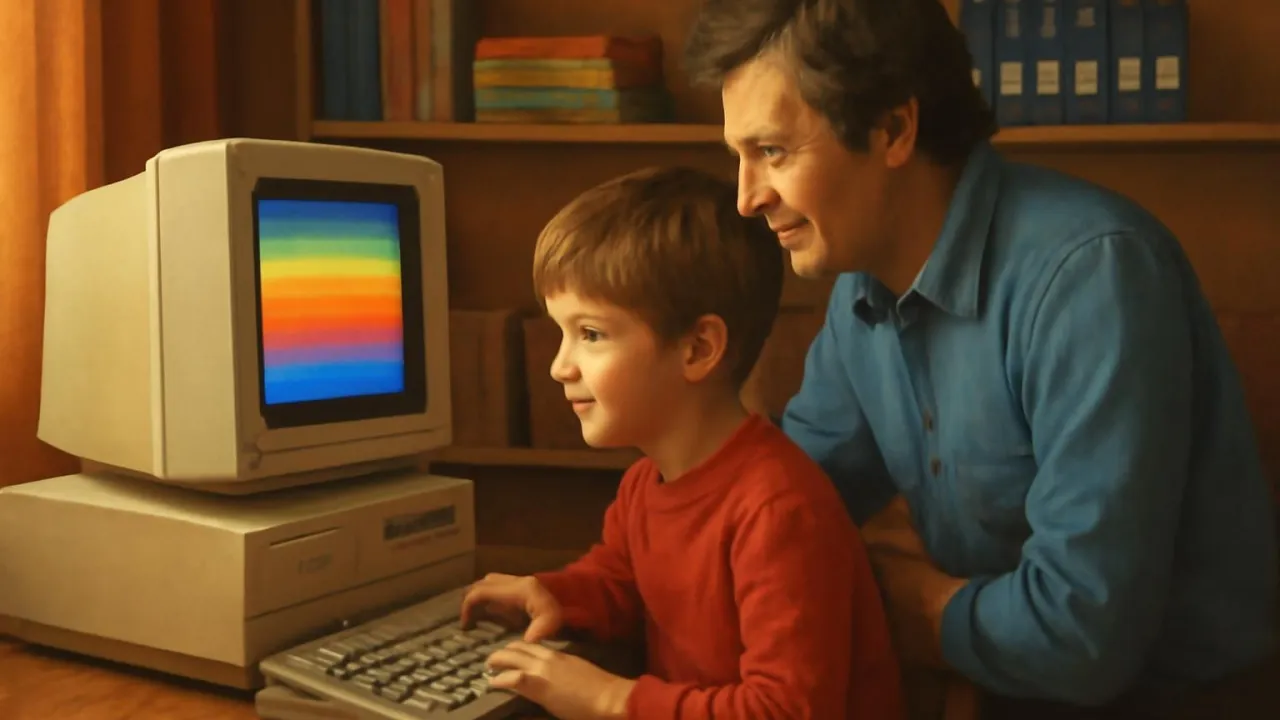
The first IBM PC cost as much as a small car in 1981!
1 The Birth of Personal Computing
In the late 1970s, engineers like Steve Wozniak and Steve Jobs imagined a computer small enough for every home. They built the Apple I, a prototype with a wooden case and basic circuits, which inspired others to create new models. Before this, computers were huge and filled entire rooms, making them hard for most people to use. The personal computer changed everything by making powerful technology easy to own and operate.
2 How Does a Computer Work?
A personal computer uses electronic circuits and a central processor to perform calculations at incredible speeds. Data is stored in memory chips and is processed using binary code, which is a language of zeros and ones. When you type or click, the computer’s and work together to follow your instructions. This combination lets you write stories, play games, and even connect with people around the world.
3 Changing the Way We Live and Learn
Personal computers brought new opportunities for learning, creativity, and communication to millions of people. Students can research topics, create digital art, and solve math problems with just a few clicks. Businesses use computers to organize information, design products, and connect with customers everywhere. The world became more connected and efficient thanks to this invention.
4 From Prototype to Everyday Tool
Early personal computers like the Apple I and IBM PC inspired rapid in technology. Over the years, computers became smaller, faster, and easier to use, making them part of daily life. Today, almost every classroom, office, and home has at least one computer. The personal computer’s journey from a wooden box to a powerful tool shows how imagination and engineering can change the world.
1. Why did personal computers change the world?
2. What is binary code made of?