Lithium-Ion Battery
The Tiny Power Pack That Changed the World
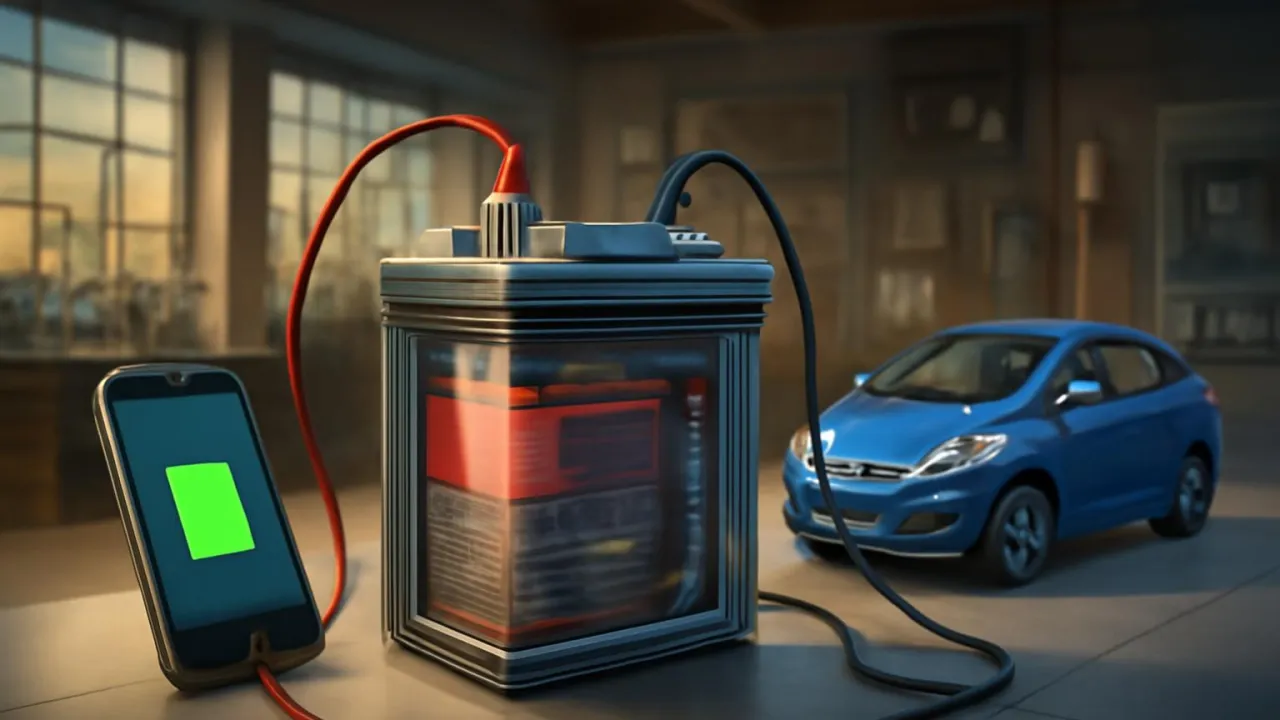
The lithium-ion battery made the first mass-market electric cars and solar-powered homes possible!
1 A Revolution in Energy Storage
Lithium-ion batteries changed the world by making portable, rechargeable energy possible for millions of people. These batteries are found in everything from smartphones and laptops to electric vehicles and even spacecraft. Their small size and high allow us to carry powerful devices almost everywhere we go. Before lithium-ion batteries, most portable electronics used heavier, less efficient batteries that needed frequent replacement.
2 The Chemistry That Powers Your Devices
At the heart of every lithium-ion battery are two electrodes—one made of graphite and the other of a metal oxide. When the battery charges, lithium ions move from the metal oxide to the graphite electrode, storing energy. When you use your device, the ions travel back, releasing energy as electric current. This process is called cycling and can be repeated hundreds or even thousands of times.
3 Inventors and Global Impact
The invention of the lithium-ion battery was a team effort by scientists Stanley Whittingham, John B. Goodenough, and Akira Yoshino. Their work, which began in the 1970s, led to the first commercial batteries in 1991. Today, lithium-ion batteries are essential for energy, helping store solar and wind power for homes and cities. Their invention earned the Nobel Prize in Chemistry in 2019 for its impact on society.
4 Challenges and the Future
Despite their many advantages, lithium-ion batteries have some challenges, including limited lifespan and the need for rare materials. Scientists are working on new battery types that are safer, last longer, and use more common materials. As technology improves, batteries will help power a cleaner, more connected world for everyone.
1. Why are lithium-ion batteries important for renewable energy?
2. What is a challenge with lithium-ion batteries?