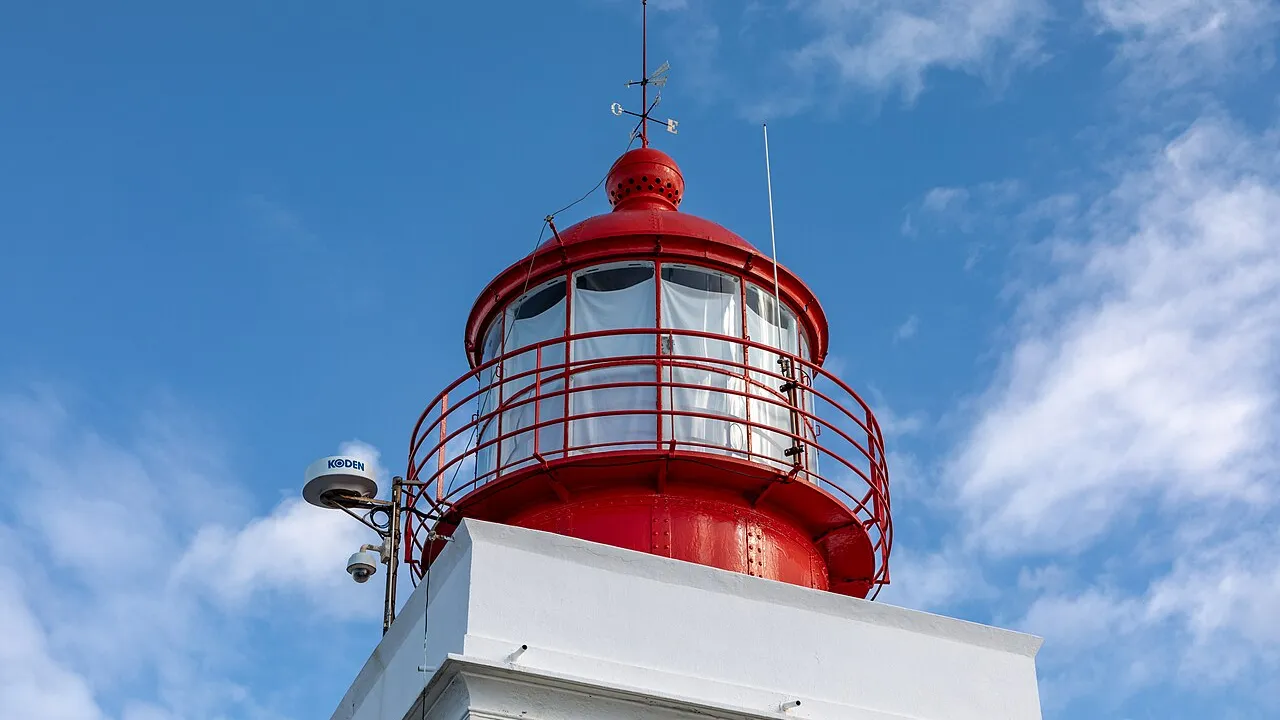
Benjamin Franklin tested lightning rods by flying a kite in a thunderstorm.
✨ Word Sparks (Grade 2 Glossary)
Tap 🔊 to hear
invention
A new idea that helps people
electricity
Power that makes things work and light up
protect
To keep something safe from harm
🪝
Have you ever watched lightning zigzag across the sky?
1
Lightning in the Sky
Lightning flashes are bright and loud, and they make people jump. Storms can be scary, but we have ways to stay safe. People use special to their homes from lightning.
2
A Clever Invention
A lightning rod is a tall metal pole that sits on top of buildings. It was invented to stop lightning from starting fires. The rod is shiny and points up to the sky.
3
How the Rod Works
When lightning strikes, the rod grabs the first and sends it safely to the ground. This keeps the house from burning or breaking. People feel safer during storms because of this .
Lightning can be five times hotter than the surface of the sun!
✨ Word Sparks (Grade 3 Glossary)
Tap 🔊 to hear
electricity
Energy that flows and makes things work
grounding
Sending electricity safely into the earth
invention
A new thing people create to solve problems
🪝
Can you imagine a bolt of lightning hitting your house?
1
Danger in the Storm
Thunderstorms bring bright lightning and booming thunder that can shake windows. Long ago, lightning sometimes set buildings on fire. People needed a way to protect their homes and important places from these powerful strikes.
2
Franklin’s Bright Idea
Benjamin Franklin wondered if metal could guide the lightning safely away. He invented the lightning rod, a tall metal pole placed on rooftops. The rod is connected by a wire down to the ground, creating a safe path for .
3
How Lightning Rods Work
When lightning strikes, the metal rod attracts the bolt with its height and sharp point. The travels through the rod and wire, going deep into the earth. This stops the dangerous energy from damaging the building or causing fires.
4
A World of Safety
Lightning rods use the science of and to protect people everywhere. Today, tall buildings, barns, and even ships use this . Franklin’s idea changed the way we build and keep our homes safe from storms.
Franklin’s lightning rod was once called the “Franklin Rod” and sparked debates in Europe.
✨ Word Sparks (Grade 4 Glossary)
Tap 🔊 to hear
conductor
Material that lets electricity flow easily
grounding
Connecting electricity safely to the earth
resistance
How hard it is for electricity to flow
🪝
What happens to a building when lightning strikes its roof during a storm?
1
A Stormy Problem
Before lightning rods, buildings often caught fire or were damaged when struck by lightning. Lightning is a powerful burst of electricity that looks for the fastest path to the ground. In the 1700s, people feared storms because their houses and barns were not protected.
2
Franklin’s Scientific Solution
Benjamin Franklin studied electricity and believed it behaved like a fluid. He invented the lightning rod in 1752, using a pointed metal rod connected by a wire to the earth. This setup offered a low- path, allowing the electrical charge to safely flow into the ground.
3
How the Lightning Rod Works
When lightning strikes, the rod’s height and material attract the bolt, and the wire channels the energy downward. This process uses the principle of , which prevents the dangerous electricity from passing through the building. The invention relies on metal’s ability to conduct electricity quickly and safely.
4
Changing the World
The lightning rod was quickly adopted around the world, protecting homes, churches, and even ships at sea. It reduced fires, saved lives, and encouraged more scientific study of electricity. Benjamin Franklin’s invention is still used today, showing how one idea can change the way people live and build.
1. Why does the lightning rod need to be tall and pointed?
2. What did Franklin’s invention help reduce?
🤯 Mind-Blowing Fact • Grade 5
A single lightning bolt can carry over 30,000 amps of current—enough to power a small town for an instant.
✨ Word Sparks (Grade 5 Glossary)
Tap 🔊 to hear
ionization
Process where air particles get charged by electricity
conductivity
How easily electricity moves through a material
prototype
The first working model of a new invention
🪝
If a bolt of lightning struck your school, what would protect it from disaster?
1
The Peril of Lightning Strikes
Lightning is one of nature’s most powerful forces, releasing up to a billion volts in a single flash. Before the invention of the lightning rod, these electrical surges often set wooden buildings ablaze or destroyed tall structures. In the 18th century, communities lived in fear of thunderstorms, as they had no reliable way to shield their homes or public buildings from the destructive energy of lightning.
2
Franklin’s Revolutionary Experiment
Benjamin Franklin, fascinated by electricity, hypothesized that a sharp metal rod could intercept lightning and safely guide it to the ground. In 1752, he famously flew a kite in a thunderstorm to prove that lightning was a form of electricity, leading to his design of the first lightning rod. Franklin’s consisted of a pointed iron rod mounted atop a building, connected by a thick copper wire to a metal plate buried deep in the earth.
3
Engineering and Physics of Protection
The lightning rod works by providing a low-resistance, conductive pathway for electrical discharge. When a thundercloud’s electric field becomes strong enough, the rod’s pointed tip encourages , attracting the lightning bolt. The immense electrical current then travels down the conductor wire, bypassing the structure entirely and dissipating harmlessly into the ground. This process prevents dangerous side flashes and structural fires, demonstrating the principles of electrical grounding and .
4
Global Impact and Modern Evolution
Franklin’s invention quickly spread across Europe and the Americas, transforming architectural safety standards. By the 19th century, lightning rods protected not only homes and churches, but also ships, factories, and even the Statue of Liberty. Today’s lightning protection systems use advanced materials like copper and aluminum, with multiple rods and ground connections for large buildings. Engineers calculate risk zones and install rods at precise heights to maximize protection, following international safety codes.
5
Legacy in Science and Society
The lightning rod remains a symbol of scientific curiosity and practical invention, inspiring generations of engineers and inventors. Its development advanced the study of electricity, leading to safer cities and new fields like electrical engineering and meteorology. Franklin’s simple yet ingenious device continues to save lives and property worldwide, proving the lasting value of understanding and harnessing the forces of nature through science.