DNA Sequencing Machine
Unlocking the Secret Code of Life
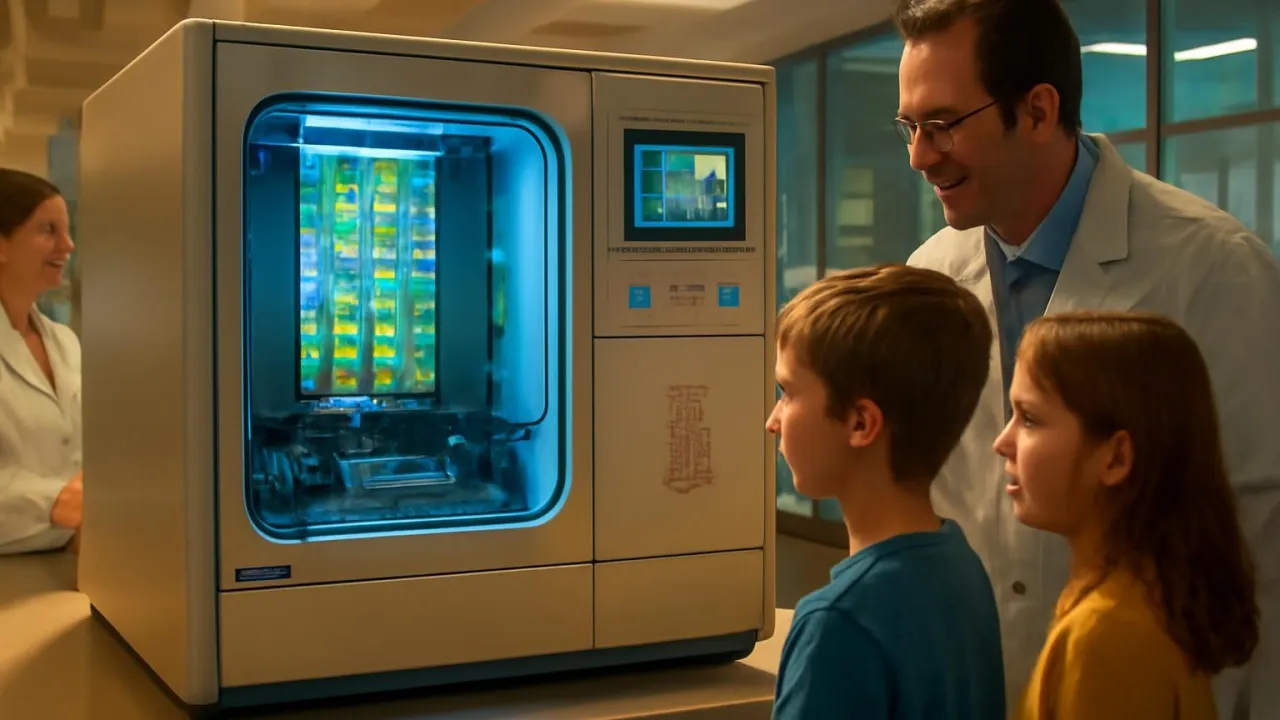
DNA sequencing machines can now read over 600 billion DNA bases in a single day!
1 Cracking the Genetic Code
Inside a humming laboratory, DNA sequencing machines use lasers and advanced sensors to decode life’s blueprint. Scientists carefully prepare DNA samples, which are loaded into the machine for analysis. The machine separates DNA strands and reads the bases—, thymine, cytosine, and guanine—using chemical reactions and light detection. This process reveals the unique sequence that makes each organism special.
2 The Science Behind Sequencing
Sequencing works by copying DNA and adding special markers that glow under lasers. As the machine reads each base, it records the order using sensitive detectors. The pattern of light flashes is translated into digital data, showing the exact sequence of bases. This method, called sequencing, allows scientists to read millions of DNA pieces at once.
3 From Discovery to Health
The invention of DNA sequencing machines in the late 1970s changed biology and medicine forever. Doctors now use sequencing to diagnose rare diseases, match organ donors, and even predict health risks. Researchers can trace how plants and animals evolved by comparing their . Sequencing technology has also helped track outbreaks of diseases around the world.
4 A Global Impact
Modern sequencing machines are smaller, faster, and more accurate than ever before. The cost of sequencing a human has dropped from millions of dollars to less than one thousand. This technology is helping scientists develop new medicines, improve crops, and understand the mysteries of life. DNA sequencing truly connects people, plants, and animals across the globe.
1. What does high-throughput sequencing allow scientists to do?
2. Why has DNA sequencing become important for doctors?