Digital Camera Sensor (CCD/CMOS)
How Tiny Chips Capture the World in Photos
Some space telescopes use CCD sensors to capture images of stars billions of light-years away.
1 From Light to Digital Magic
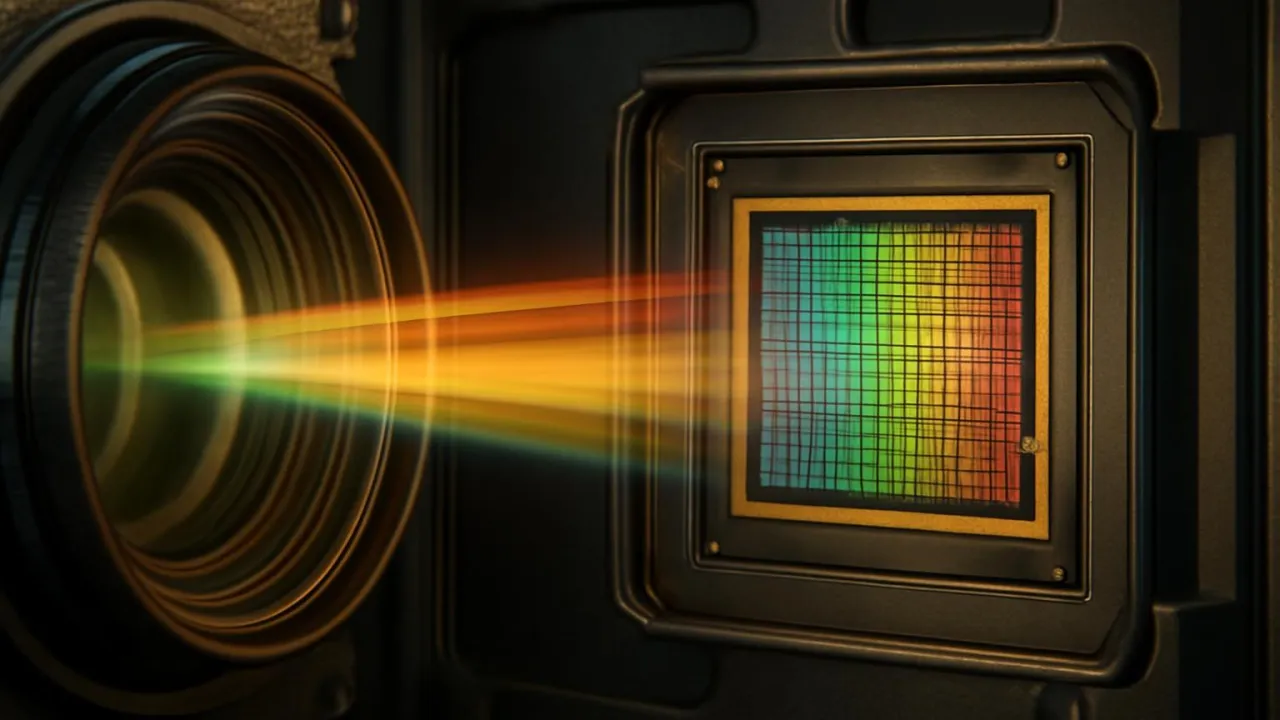
When you take a photo, the camera’s lens focuses incoming light onto a sensor chip, either a CCD or CMOS type. This chip is covered with millions of pixels, each acting like a tiny light bucket. As light hits each pixel, it creates an electric charge that represents how bright or colorful that spot is. The camera’s electronics read all these charges and turn them into a digital file you can see and share.
2 CCD vs. CMOS: The Science Inside
CCD sensors move electric charges across the chip to a single corner, where they are measured and converted into digital data. This process produces very clean images but uses more power and is slower. CMOS sensors, invented later, let each pixel handle its own signal, which makes them faster and more energy efficient. Today, CMOS sensors are found in almost every smartphone and digital camera because they are cheaper and easier to make.
3 Pixels and Resolution: Sharper Than Ever
A sensor’s is measured by how many pixels it has, often called . Higher resolution means more detail, allowing you to zoom in or print bigger photos without losing quality. Each pixel records the intensity and color of light, and together, millions of pixels form a complete, colorful image. This technology lets scientists photograph distant galaxies, doctors view tiny cells, and families capture special moments.
4 A Global Photography Revolution
Before digital sensors, cameras used film, which needed chemicals and time to develop. Now, digital sensors let anyone take hundreds of photos instantly and share them worldwide. This invention has changed art, journalism, science, and even how we remember our lives. The digital camera sensor is a key part of modern technology, making photography more fun and accessible for everyone.
1. Why are CMOS sensors popular in today’s cameras?
2. What does a higher resolution sensor allow you to do?