Bicycle
Wheels That Changed the World
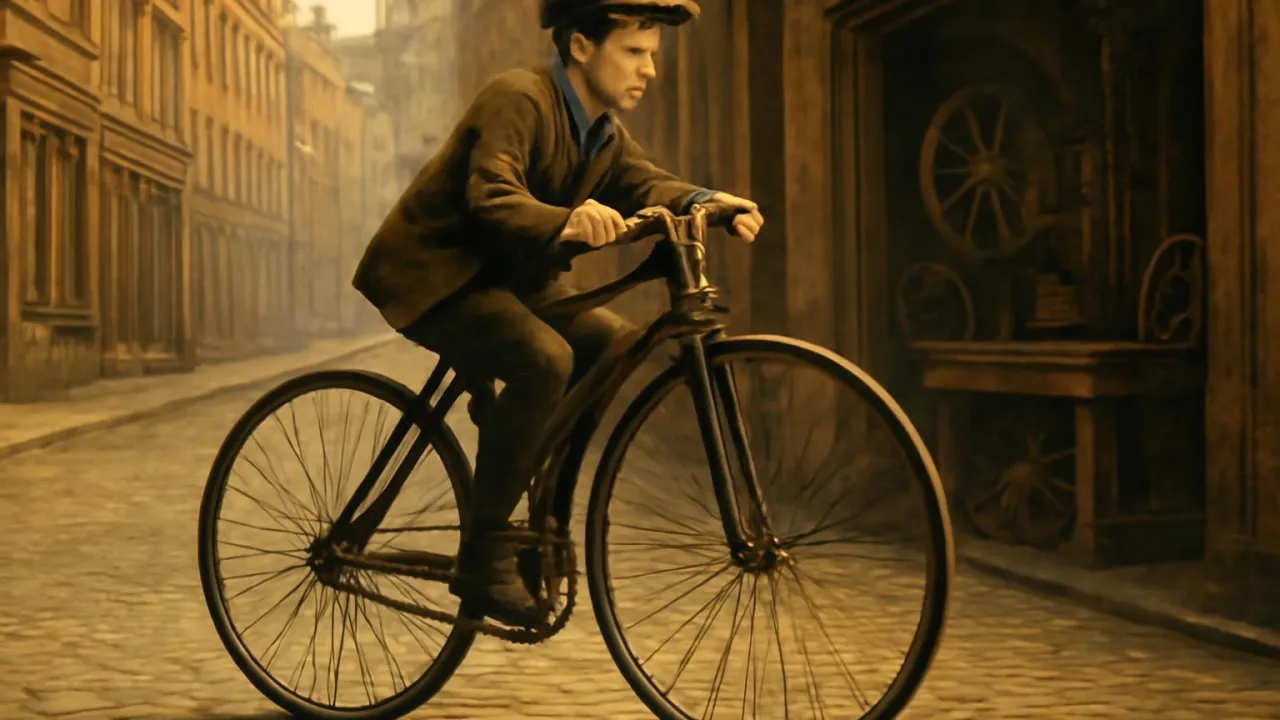
In 2015, over one billion bicycles existed worldwide—twice as many as cars!
1 The Evolution of the Bicycle: From Hobby Horse to Modern Marvel
The bicycle’s journey began in 1817 with Karl Drais’s 'laufmaschine' or 'dandy horse,' a wooden two-wheeler with no pedals, propelled by the rider’s feet. In the 1860s, French inventors Pierre and Ernest Michaux introduced pedals attached to the front wheel, creating the velocipede, also called the 'boneshaker' because of its rough ride on cobblestone streets. The 1870s saw the arrival of the high-wheeled penny-farthing, which was fast but unstable and risky to ride. In 1885, John Kemp Starley’s 'safety bicycle' revolutionized cycling by introducing a diamond-shaped frame, chain drive to the rear wheel, and equally sized wheels, setting the standard for modern bicycles.
2 Mechanical Principles: Power, Balance, and Efficiency
Bicycles convert human muscle energy into forward motion through a system of levers, gears, and rotational mechanics. When you press the pedals, force travels via a crankset and chain, spinning the rear wheel and propelling the bike. The diamond frame, composed of two interlocking triangles, distributes weight efficiently and provides remarkable strength for its lightness. and rider steering create dynamic balance, allowing a bicycle to stay upright even at low speeds. Braking systems, including rim and disc brakes, use friction to safely decelerate the wheels.
3 Gears, Tires, and Materials Science
Modern bicycles often feature gear systems with up to 30 speeds, using multiple sprockets to optimize mechanical advantage for hills or speed. Pneumatic tires, invented by John Dunlop in 1887, use compressed air to absorb shocks and increase traction, dramatically improving comfort and safety. Bicycle frames have evolved from heavy wood and steel to lightweight alloys and , enhancing performance for racing, commuting, and mountain biking. Each component, from ball bearings in the hubs to quick-release wheels, reflects centuries of engineering progress.
4 Social and Environmental Impact
The bicycle democratized personal travel, granting independence and mobility to millions, especially women and working-class people in the late 1800s. Bicycles remain vital in many developing countries, serving as affordable transportation for education, commerce, and healthcare access. Cycling is also a major sport, with events like the Tour de France showcasing human endurance and technical innovation. Environmentally, bicycles produce zero emissions, reduce urban congestion, and promote public health by encouraging active lifestyles.
5 Bicycles in the Modern World
Today, bicycles are engineered for diverse uses, including road racing, mountain trails, urban commuting, and adaptive cycling for people with disabilities. Innovations such as electric-assist bikes, regenerative braking, and advanced materials continue to expand what bicycles can do. Urban planners increasingly design cities with bike lanes and shared cycling systems to promote sustainable transportation. The humble bicycle, powered by simple physics and human ingenuity, remains a symbol of freedom, invention, and environmental responsibility.
1. How did the diamond frame improve bicycle design?
2. Why are bicycles considered environmentally friendly?