Band-Aid Adhesive Bandage
The Tiny Invention That Heals Big Hurts
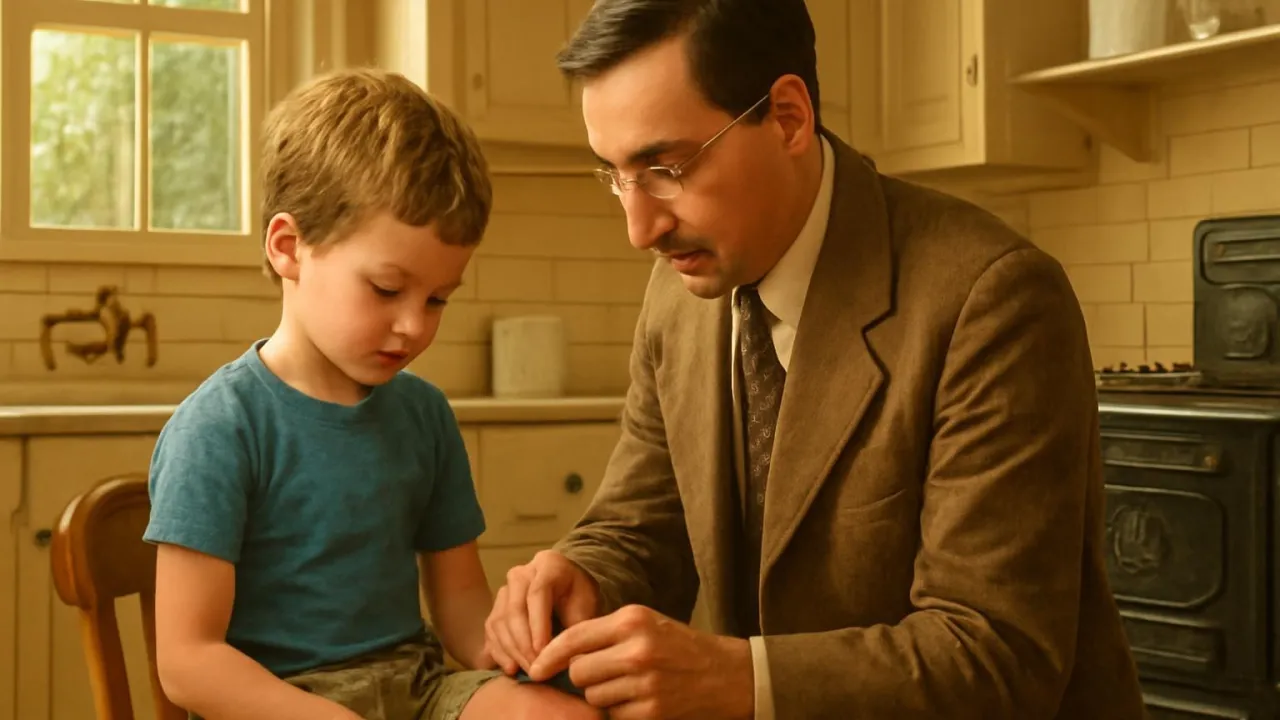
The word 'Band-Aid' became so famous, it is now used for all adhesive bandages!
1 A Caring Invention from the Kitchen
In 1920, Earle Dickson, a cotton buyer for Johnson & Johnson, noticed his wife Josephine often cut herself while cooking. He wanted to help her care for wounds without needing assistance. By attaching a small pad of sterile gauze to adhesive tape, he created the first prototype of the Band-Aid. This simple yet effective invention soon caught the attention of his employer, who began producing Band-Aids for everyone.
2 How Band-Aids Protect and Heal
Band-Aids use a soft, pad to cover wounds and a sticky adhesive to keep them in place. The sterile pad absorbs blood and fluid, while the adhesive forms a barrier against dirt and bacteria. This combination helps prevent and speeds up the healing process. The bandage also reduces , protecting the wound from further irritation.
3 From Handcrafted to Mass Production
Early Band-Aids were handmade and sold as long rolls that people cut themselves. As their popularity grew, machines were developed to produce individually wrapped, sterile bandages in many shapes and sizes. Today, Band-Aids are found in nearly every first aid kit, and they are used by people of all ages around the world. The invention has inspired many new types, including waterproof, flexible, and even antibacterial versions.
4 A Lasting Impact on Health
The Band-Aid revolutionized personal wound care by making it simple, quick, and accessible. It empowered people to treat minor injuries immediately, reducing the risk of and complications. The invention also influenced the design of other medical products, such as larger wound dressings and specialized bandages. Band-Aids remain a symbol of caring and everyday problem-solving in medicine.
1. How did Band-Aids change wound care for people?
2. Why is the pad on a Band-Aid sterile?