Have you ever zipped up your coat and wondered how it works?
1
How Does It Zip?
When you pull the zipper tab, the teeth slide together and lock. The zipper moves up to close and down to open. This helps keep your clothes and safe. Zippers can be found on jackets, bags, and even boots.
2
Inventors and Ideas
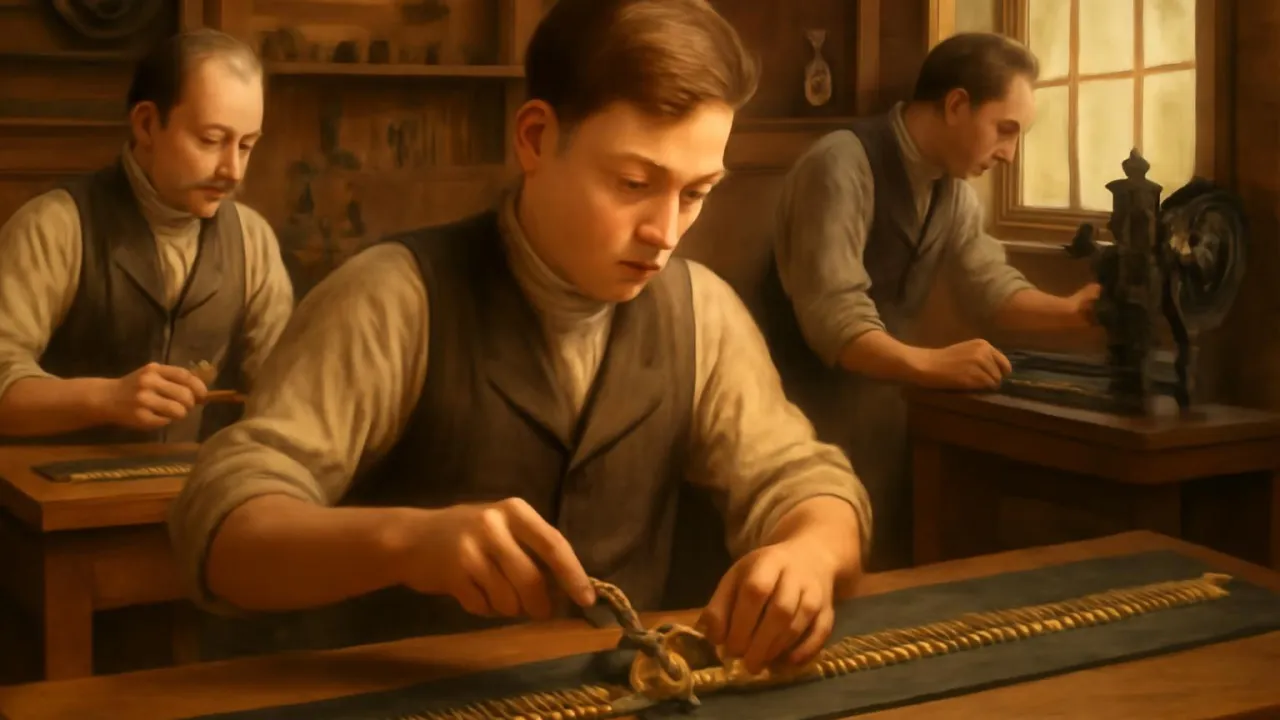
A man named Whitcomb Judson first showed his zipper idea in 1893. Later, Gideon Sundback made it work much better in 1913. Their helped people fasten things quickly. Zippers became popular all over the world.
3
A Puzzle of Teeth
Each zipper has two rows of teeth that fit together like a puzzle. The moves the teeth into place or pulls them apart. That’s why you hear that fun zip sound! Zippers make life easier for everyone.
Some giant zippers can be over 30 feet long, used for stage curtains!
✨ Word Sparks (Grade 3 Glossary)
Tap 🔊 to hear
fastener
A thing that closes or holds something
mechanical
Works by moving parts together
interlocking
Fitting together so they stay closed
🪝
What if your backpack could snap shut in one quick motion?
1
The Zipping Mystery
Every time you zip up your jacket, you create a line of teeth. The slider pulls two rows of metal or plastic teeth together, making a satisfying zzzzip sound. This clever invention lets you close things fast and keep them secure. Zippers are everywhere—from pencil cases to tents!
2
How Zippers Work
A zipper's magic comes from its special design. The teeth are shaped to hook tightly when the slider moves up, using force. The slider acts like a wedge, pushing the teeth into place or pulling them apart. This simple mechanism is called a .
3
From Clasp Locker to Zipper
Whitcomb Judson invented the first zipper, called the 'clasp locker,' in 1893. It was tricky to use, so Gideon Sundback improved the design in 1913 by adding more teeth and a better slider. Sundback's zipper became popular for boots, bags, and clothing.
4
Why Zippers Changed the World
Before zippers, people used buttons, laces, or hooks to close things. Zippers made fastening much faster and easier for everyone. Today, zippers are used in space suits, camping gear, and even underwater suits. This small invention made a big difference!
The world’s longest zipper stretches over two miles and was made for a giant art project!
✨ Word Sparks (Grade 4 Glossary)
Tap 🔊 to hear
interlocking
Fitting together so they can’t come apart
slider
The piece that moves the zipper teeth
mechanical force
Energy from moving parts together
🪝
Have you ever wondered how a zipper’s tiny teeth stay locked so tightly together?
1
The Engineering Behind the Zip
A zipper works by guiding two rows of metal or plastic teeth together using a small . As you pull the slider, it pushes the teeth into a precise alignment, locking them tightly through . The unique shape of each tooth allows them to fit together like puzzle pieces, creating a strong seal. This design keeps jackets, bags, and even tents securely closed in all kinds of weather.
2
Inventors and Their Breakthroughs
Whitcomb Judson first introduced his 'clasp locker' fastener at the 1893 Chicago World’s Fair, but it was hard to use and not very popular. In 1913, Gideon Sundback improved the invention by adding more teeth per inch and a better , making it much more reliable. Sundback’s design was quickly adopted by boot and clothing companies. Over time, zippers became a global sensation, changing how people dressed and traveled.
3
From Buttons to Zippers
Before zippers, people used buttons, hooks, or laces to fasten clothing and gear, which took more time and effort. Zippers sped up daily routines and made it easier for everyone, including children and people with disabilities, to dress independently. Today, zippers are used in everything from jeans and backpacks to astronaut suits and deep-sea diving gear. Their impact on daily life and technology is enormous.
4
The Science of Staying Closed
Zippers rely on the principle of mechanical , where each tooth fits perfectly with its neighbor. The ’s wedge shape applies force evenly, preventing the zipper from opening unless you pull the tab. This simple yet effective engineering has inspired other inventions, like resealable bags and even some medical devices. The zipper’s story shows how small ideas can lead to big changes in the world.
The YKK Group in Japan makes enough zippers each year to circle the Earth more than 50 times!
✨ Word Sparks (Grade 5 Glossary)
Tap 🔊 to hear
friction
The force that stops things from sliding apart
corrosion-resistant
Does not rust or break down easily
manufacturing process
The steps to make something in a factory
🪝
Imagine a world where every jacket, tent, or backpack needed dozens of buttons—how would you keep up?
1
The Physics and Mechanics of the Zipper
A zipper operates by aligning two parallel rows of metal or plastic teeth, which are precisely engineered to interlock through a moving slider. The slider’s internal wedge shape exerts mechanical force, pushing the teeth together in a way that creates strong and prevents accidental opening. Each tooth is designed with a hook and hollow, allowing them to mesh tightly and distribute stress evenly along the zipper’s length. This design enables zippers to withstand significant tension, making them ideal for everything from clothing to heavy-duty camping gear. The smooth, rapid action of the slider also minimizes wear and tear, ensuring durability over thousands of uses.
2
From the Clasp Locker to Modern Marvel
Whitcomb Judson’s original 1893 'clasp locker' was intended to fasten shoes, but it was unreliable and difficult to manufacture. Gideon Sundback, a Swedish-American engineer, revolutionized the design in 1913 by increasing the number of teeth per inch and inventing a new for attaching the teeth to fabric tape. Sundback’s 'separable fastener' patent marked the true birth of the modern zipper, which quickly gained popularity in the fashion and luggage industries. By the 1930s, zippers were being used on children’s clothing and military gear, demonstrating their versatility and reliability.
3
Engineering Impact and Global Spread
The zipper’s influence extends far beyond clothing. Its mechanical interlocking principle has inspired innovations in packaging, such as resealable food bags and secure medical pouches. Zippers are now engineered for extreme environments, including space suits that must remain airtight and deep-sea diving suits that withstand high water pressure. Globally, billions of zippers are produced each year, with factories in the United States, Japan, and China leading the way. The YKK Group, founded in Japan, is the world’s largest zipper manufacturer, producing over seven billion zippers annually.
4
Quantitative Specs and Design Evolution
A typical clothing zipper has 10 to 12 teeth per inch, while heavy-duty zippers for luggage or tents may have fewer, larger teeth for added strength. The materials used have evolved from early brass and steel to lightweight plastics and alloys, making zippers suitable for diverse applications. Designers have also created waterproof, invisible, and even self-healing zippers for specialized uses. The average zipper can be zipped and unzipped over 5,000 times before showing significant wear, a testament to its robust engineering.
5
A Small Invention with a Big Legacy
The zipper’s story demonstrates how a simple mechanical idea can transform daily life and industry worldwide. Its combination of precise engineering, clever design, and adaptability has made it one of the most successful inventions of the 20th century. From astronauts suiting up for spacewalks to children learning to dress themselves, the zipper’s impact is felt across generations and continents. Today, engineers continue to refine zipper technology, ensuring it remains a reliable solution for new challenges in fashion, science, and technology.