Yuzu
The Citrus That Surprises Your Senses
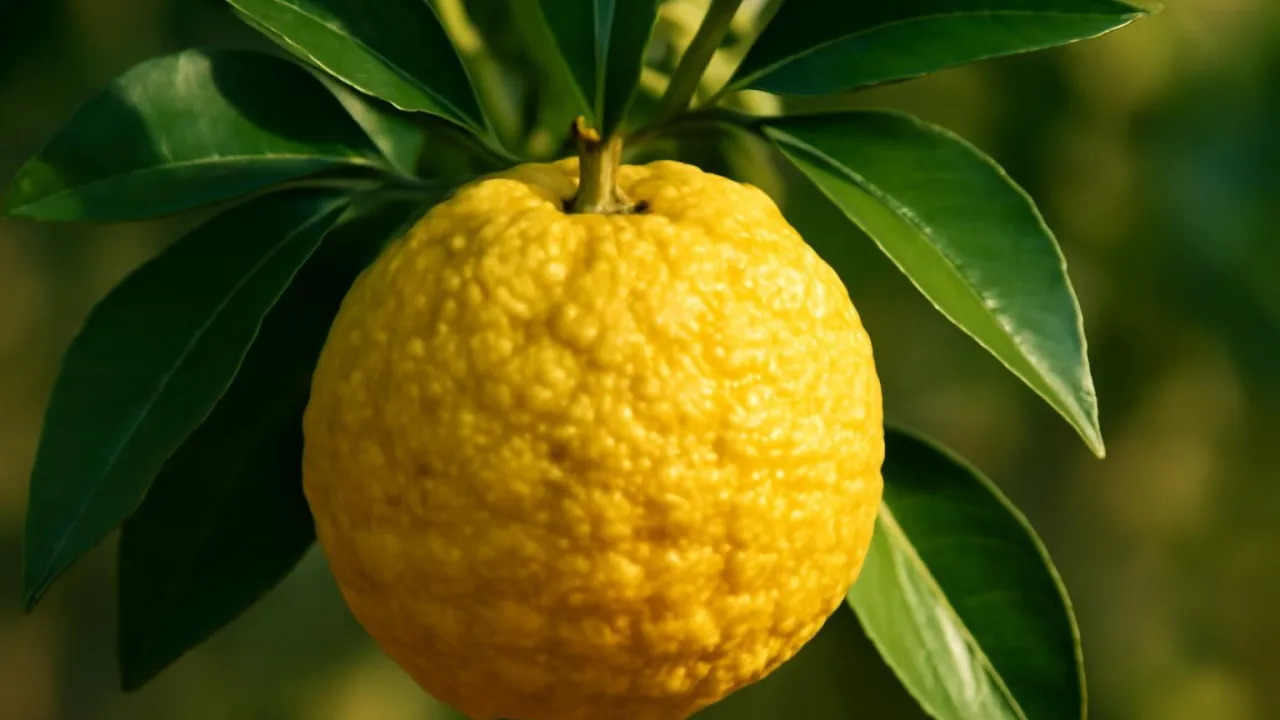
Yuzu can make a whole room smell fresh with just one fruit!
What fruit smells like a lemon and looks like a bumpy ball?
1 Bumpy and Bright
Yuzu is round and yellow. It feels in your hand. Its skin is thick and rough.
2 Super Strong Smell
Yuzu smells very fresh and strong. It smells like lemons and flowers. Many people love its .
3 Juicy and Sour
Yuzu tastes and tangy. People use it in juice and food. It wakes up your taste buds!
1. What color is a ripe yuzu?
2. What does yuzu taste like?
Yuzu trees can keep making fruit for more than 50 years!
Have you ever held a fruit that smells so strong it fills the whole room?
1 A Fruit with a Big Personality
If you pick up a yuzu, youโll notice its bumpy yellow skin right away. The fruit feels rough and thick, and it looks a little like a small orange. Its bright color makes it stand out on the tree.
2 Sunny Homes for Yuzu
Yuzu trees grow best in warm, sunny places like Japan, Korea, and China. The trees have shiny green leaves and sharp that help keep animals away. Yuzu needs lots of sunshine and just a little water to grow well.
3 A Super Sour Surprise
Yuzu tastes even more sour than a lemon, but it smells sweet and flowery. People use yuzu juice in drinks, sauces, and to add a fresh, exciting flavor. Just one yuzu can make your whole kitchen smell amazing.
1. What helps protect yuzu fruit on the tree?
2. How does yuzu taste compared to a lemon?
In Japan, people float yuzu fruits in hot baths during winter to celebrate the shortest day of the year!
Did you know thereโs a fruit that smells so strong itโs used as perfume in Japan?
1 Yuzuโs Unique Look
Yuzu fruits are round and bumpy, with thick yellow skin that feels rough. They are about the size of a tennis ball and have many seeds inside. The bright color helps people spot them easily on the tree. Their tough skin protects the juicy inside from bugs and bad weather.
2 Where Yuzu Comes From
Yuzu grows on small trees in East Asia, especially in Japan, Korea, and China. These trees have glossy leaves and sharp thorns, which protect the fruit from hungry animals. Yuzu trees need lots of sunlight and well-drained soil to thrive. Farmers yuzu in late autumn when the fruit turns golden yellow.
3 Sour Power and Uses
Yuzuโs juice is very sour, even more than lemons or limes. Chefs use yuzu to flavor sauces, candies, and drinks, because its taste is so unique. The peel is grated to make a spice called yuzu kosho. In Japan, people even put yuzu in bath water for its refreshing scent.
4 A Botanical Surprise
Yuzu is a fruit, like oranges and grapefruits, but it is not eaten plain. Botanically, it is a true fruit because it grows from a flower and has seeds inside. Its strong flavor comes from special oils in the skin. The yuzuโs scent is so powerful that just one fruit can fill a whole room.
1. Why does yuzu have a thick, bumpy skin?
2. What do people do with yuzu in Japan?
Yuzuโs scent is so strong that one fruit can fill a whole house with its fragrance!
What if you could find a fruit by following its powerful scent before you even see it?
1 A Scent That Leads the Way
If you walk through a yuzu at harvest time, the air is filled with a sharp, lemony fragrance before you spot any fruit. Yuzu stands out with its tennis ball size, bumpy yellow skin, and tough that protects it from pests and cold. The trees themselves have shiny, dark green leaves and sharp thorns, making them easy to recognize. This strong scent and bright color help people find the fruit even among thick branches.
2 Surviving the Seasons
Yuzu trees are tough survivors, able to handle colder weather than most other citrus fruits. Their thick skin and many seeds help the fruit stay safe in harsh conditions, while the treeโs thorns keep hungry animals away. Yuzu trees thrive in sunny places with well-drained soil, and they can keep producing fruit for decades. Farmers harvest yuzu in late autumn, when the fruit turns golden yellow and is packed with sour juice.
3 Flavor and Tradition
Yuzu is rarely eaten by itself because of its extreme sourness, but its juice and zest are prized in cooking. Chefs use yuzu to flavor sauces, desserts, and drinks, and the peel is often made into a spicy paste called yuzu kosho. In Japan, people float yuzu fruits in hot baths during the winter solstice, believing the scent brings good health. The fruitโs powerful aroma is also used in perfumes and candles to freshen homes.
4 Helping Nature and People
Yuzu trees support local like bees, which visit the flowers in spring and help create fruit. Because yuzu is valuable, farmers protect the trees using natural methods to avoid harming the environment. Yuzu is mostly grown in East Asia, but it is now being planted in other places with similar climates. As more people discover yuzu, there is growing interest in saving wild yuzu trees and using traditional farming to protect them.
1. How do people usually find yuzu fruit during harvest?
2. Why do farmers use natural methods to protect yuzu trees?
Yuzu peel contains over 30 different aromatic compounds, making its scent more complex than any other citrus fruit!
Did you know thereโs a citrus fruit so cold-hardy it can survive frosty winters when lemons cannot?
1 Scientific Identity and Origins
Yuzu, scientifically known as Citrus junos, is a citrus species believed to have originated in central China over a thousand years ago. It is thought to be a cross between the sour mandarin (Citrus reticulata) and the ichang papeda (Citrus ichangensis), which gives it its remarkable cold tolerance. Yuzu was introduced to Japan and Korea centuries ago, where it became an essential part of culinary and cultural traditions. The tree is small to medium-sized, with glossy, evergreen leaves and sharp, protective thorns. Botanically, yuzu is classified as a true citrus fruit, sharing family ties with oranges, lemons, and grapefruits.
2 Physical Features and Adaptations
Yuzu fruits are roughly spherical, measuring 2 to 3 inches (5 to 7.5 cm) in diameter, and have thick, bumpy, aromatic yellow skin. The fruit contains numerous large seeds and only a modest amount of juice compared to other citrus fruits. Its thick rind is packed with , giving yuzu its intense, floral-lemon fragrance and flavor. Unlike most citrus, yuzu trees can survive temperatures as low as 14ยฐF (-10ยฐC), thanks to genes inherited from the ichang papeda. The treeโs sharp thorns deter herbivores, while its tough skin protects the fruit from cold and pests.
3 Life Cycle, Pollination, and Ecosystem Role
Yuzu trees flower in spring, producing small white blossoms that are pollinated by bees and other insects. After pollination, the fruit develops slowly and is typically harvested in late autumn, when it turns bright yellow. As a perennial, yuzu can live for more than fifty years, providing food and shelter for pollinators and small animals. The treeโs flowers support local bee populations, which are essential for pollinating many other crops. In its native and cultivated habitats, yuzu contributes to biodiversity and supports sustainable agriculture.
4 Culinary Uses and Cultural Significance
Yuzu is rarely eaten raw due to its extreme sourness and abundance of seeds, but its juice and zest are highly valued in East Asian cuisine. Chefs use yuzu to flavor sauces, vinegars, desserts, and beverages, while the zest is a key ingredient in the spicy Japanese condiment yuzu kosho. In Japan, yuzu is traditionally floated in hot baths during the winter solstice, a practice called 'yuzuyu,' believed to ward off colds and bring good fortune. The fruitโs aromatic oils are also used in perfumes, soaps, and candles. Yuzuโs popularity is spreading worldwide, with chefs and gardeners in the United States and Europe now cultivating it.
5 Conservation, Cultivation, and Global Impact
Wild yuzu populations in China are threatened by habitat loss and overharvesting, making conservation efforts important for preserving genetic diversity. Farmers often use techniques to propagate yuzu trees, which helps maintain desirable traits like cold hardiness and disease resistance. Yuzu trees require full sun, moderate water, and well-drained soil to thrive, and they are often grown organically to protect both fruit quality and the environment. Compared to lemons, yuzu produces less juice but a far more complex aroma, with over 30 different aromatic compounds identified in its peel. As demand for yuzu increases globally, sustainable farming and protection of wild relatives are vital for the future of this unique citrus.
1. What makes yuzu more cold-hardy than most citrus fruits?
2. Why is yuzu peel so valuable to chefs and perfumers?