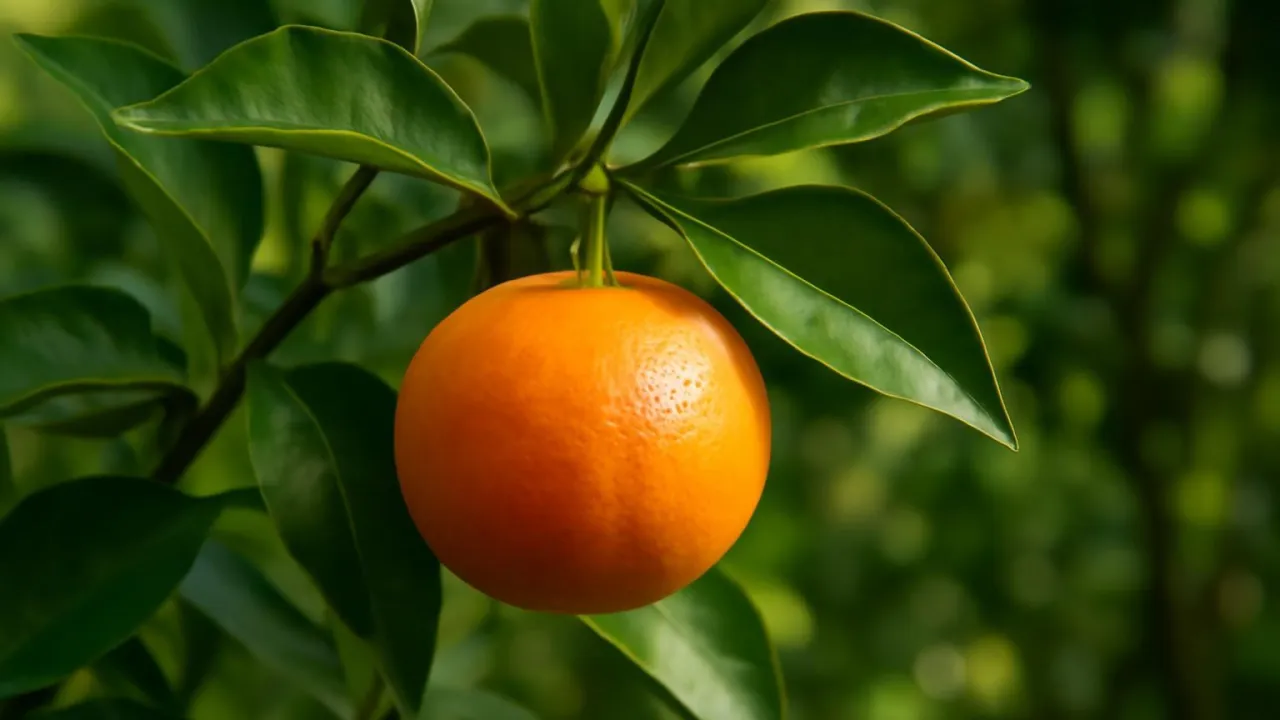
Tangerines have loose skin that makes peeling them quick and fun!
✨ Word Sparks (Grade 2 Glossary)
Tap 🔊 to hear
habitat
The place where something lives or grows
ripe
Ready to eat and sweet
scent
A smell that you can notice
🪝
Have you ever smelled a tangerine’s sweet, fresh scent?
1
Where Tangerines Grow
Tangerines grow best in warm, sunny places like Southeast Asia and Florida. They need full sun and plenty of water to grow well. These conditions help the trees produce sweet, juicy fruit every year.
2
How Tangerines Grow
Tangerine trees start small and grow leaves and white flowers. The flowers turn into small green fruits that slowly ripen to bright orange. This growth takes several months before the fruit is ready to eat.
3
Special Tangerine Skin
The skin of a tangerine is thin and easy to peel by hand. It smells very fresh and has oils that make the fruit smell sweet. This loose skin helps animals and people peel the fruit quickly.
Tangerines’ oil glands release a scent that helps protect the fruit from pests!
✨ Word Sparks (Grade 3 Glossary)
Tap 🔊 to hear
pollination
When bees help flowers make seeds
predator
An animal that eats other animals
ecosystem
A place where plants and animals live together
🪝
Did you know tangerines use their loose skin to protect juicy segments inside?
1
Tangerine Habitat and Growth
Tangerines grow in subtropical climates where temperatures stay warm most of the year. They need full sun and well-drained soil to thrive. The trees can reach up to 25 feet tall and produce fruit yearly. Growing tangerines requires careful watering and sunlight.
2
How Tangerines Protect Themselves
The loose, thin skin of a tangerine helps protect the juicy fruit inside from pests and drying out. This skin is covered with tiny oil glands that release a strong citrus scent. This scent can deter some and attract pollinators. The peel’s bright orange color also warns animals the fruit is ripe.
3
Tangerine’s Role in Nature
Tangerines provide food for many animals including birds and insects. Their flowers attract bees that help with . Pollination helps the tree produce more fruit. This creates a healthy where many plants and animals depend on each other.
4
Fun Facts About Tangerines
Tangerines are a type of mandarin orange and are easier to peel than other citrus fruits. They contain vitamin C which helps keep people healthy. Farmers harvest tangerines in the fall and winter months. The fruit’s sweet and tangy taste makes it popular worldwide.
How does a tangerine’s peel help it survive in nature’s food web?
1
Tangerine’s Natural Habitat
Tangerines thrive in subtropical regions such as Southeast Asia and parts of the United States like Florida. These areas provide the warm temperatures and sunlight necessary for the trees to grow and produce fruit. Without enough sun or water, the trees cannot survive or yield healthy tangerines. The climate also influences the sweetness and size of the fruit.
2
Peel’s Protective Role
The tangerine’s thin, loose peel serves as a protective barrier that helps prevent damage from insects and drying out. The peel contains essential oils that emit a strong citrus scent, which can repel some predators while attracting pollinators like bees. This cause-and-effect relationship helps the fruit survive and reproduce. Additionally, the peel’s bright color signals ripeness to animals.
3
Ecosystem Importance
Tangerines play a vital role in their ecosystems by providing food for various animals, including birds and insects. The flowers’ nectar attracts pollinators that assist with , ensuring fruit production. Humans also cultivate tangerines extensively, impacting and local economies positively. This symbiotic relationship benefits both nature and people.
4
Geographic Distribution and Farming
Tangerines are grown widely in subtropical climates worldwide, including Asia, the Mediterranean, and the Americas. Farmers harvest them mainly during the fall and winter months. Agricultural practices such as , pest control, and pruning help maintain healthy orchards and maximize fruit yield. These methods improve fruit quality and support sustainable farming.
1. What does the tangerine peel do to help the fruit?
2. How do pollinators help tangerines?
🤯 Mind-Blowing Fact • Grade 5
Tangerines’ peel oils contain volatile compounds that both repel pests and attract pollinators.
✨ Word Sparks (Grade 5 Glossary)
Tap 🔊 to hear
taxonomy
How scientists group living things
antioxidants
Natural chemicals that protect cells
grafting
Joining parts of plants to grow better fruit
🪝
What scientific secrets help tangerines thrive and delight taste buds worldwide?
1
Scientific Classification and Origin
Tangerines belong to the genus Citrus and species reticulata, classified as a mandarin orange variety. They originated in Southeast Asia and have been cultivated for thousands of years. Their places them within the Rutaceae family, known for aromatic citrus fruits. This classification helps scientists study their genetics and breeding.
2
Physiological Adaptations
Tangerines have thin, loose peels that facilitate easy removal, aiding seed dispersal by animals. Their peel contains oil glands that release volatile compounds deterring herbivores and attracting pollinators. The fruit’s segments are filled with juice vesicles rich in vitamin C and , supporting both plant reproduction and human nutrition.
3
Conservation and Agricultural History
While wild tangerine populations are rare, cultivated varieties are widespread due to agricultural selection. Historical trade routes helped spread tangerines globally, influencing diets and economies. Modern cultivation uses and pest management to improve yield and fruit quality. Conservation efforts focus on preserving genetic diversity amid climate change.
4
Quantitative Comparisons
Tangerines typically measure 2 to 4 inches in diameter and weigh between 100 to 200 grams. They grow best in temperatures ranging from 55 to 100 degrees Fahrenheit. Compared to other citrus fruits, tangerines peel faster and have higher sugar content, making them sweeter. Harvest seasons vary but mainly occur from October through January.
5
Cultural and Nutritional Impact
Tangerines are culturally significant in many countries, symbolizing luck and prosperity during festivals. Nutritionally, they provide about 30 to 40 milligrams of vitamin C per fruit, supporting immune health. Their sweet, tangy flavor makes them popular snacks worldwide. Research continues on their health benefits and potential uses in food science.