🇺🇸 U.S. HISTORY
🏛️ Federal Voting Rights Milestone • Signed August 6, 1965
VA History & Social Science SOL K.1, 1.2, 2.4, VS.1–VS.10, USI & USII
Voting Rights Act of 1965
Crossing the Selma Bridge to Protect Every Citizen's Ballot
Grade 1 • Early Reader • 67 words
⏳ Era / StatehoodSelma-to-Montgomery Marches (March 1965); Signed August 6, 1965
🗺️ Region / CapitalEdmund Pettus Bridge, Selma, Alabama to U.S. Capitol Rotunda, Washington, D.C.
📜 Key MilestoneOutlawed unfair literacy tests and enforced the 15th Amendment at polling places
⚡ Historical SparkRegistered over 250,000 new African American voters within months—turning constitutional promises into real ballots
🤯 Mind-Blowing Fact • Grade 1
Rosa Parks and John Lewis both stood smiling right beside President Lyndon B. Johnson in the U.S. Capitol when he signed the Voting Rights Act on August 6, 1965!
✨ Word Sparks (Grade 1 Glossary)
Tap 🔊 to hear
poll
Neighborhood building where citizens go vote
register
Sign your name onto official voter lists
citizen
Member of a country with full rights
🪝
What if someone asked you to count jellybeans in a jar before letting you vote?
1
Unfair Tricks at the Polls
Stop! For many years, unfair tricks kept Black from voting in several states. Clerks gave impossible riddles and charged special fees.
2
Marching Across the Bridge
In 1965, brave leaders John Lewis and Dr. Martin Luther King Jr. marched fifty-four miles from Selma to Montgomery, Alabama to ask for fair voting.
3
Every Vote Counts!
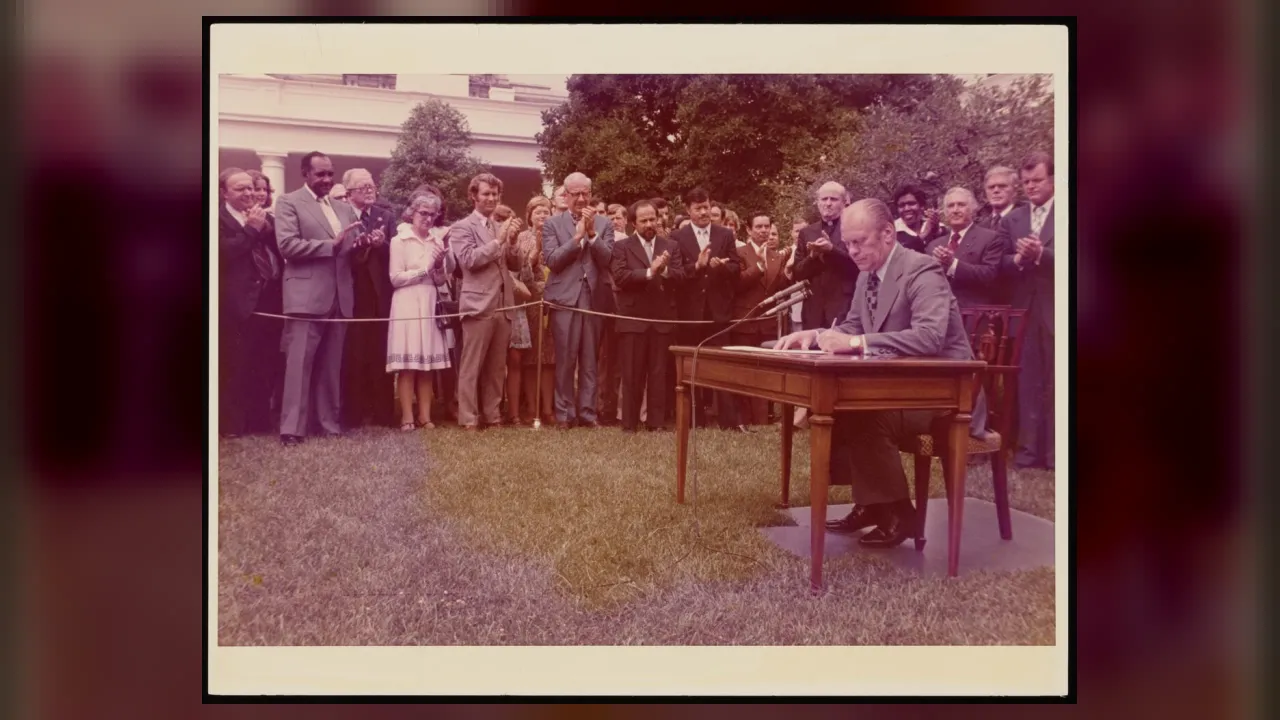
On August 6, 1965, President Lyndon B. Johnson signed the Voting Rights Act. Millions of proudly registered and voted at last!
1. From which Alabama town did peaceful marchers start their famous 54-mile voting rights march in 1965?
2. What did the Voting Rights Act of 1965 stop states from using to block voters?
🤯 Mind-Blowing Fact • Grade 2
Within just five years of the Voting Rights Act of 1965, voter registration among African Americans in Mississippi jumped from under seven percent to nearly sixty-seven percent!
✨ Word Sparks (Grade 2 Glossary)
Tap 🔊 to hear
poll tax
Unfair fee charged before someone could vote
voter roll
Official list of citizens registered to vote
eligible
Meeting fair legal rules to participate
🪝
Why did thousands of people walk fifty-four miles along an Alabama highway in the pouring rain?
1
Blocked From the Ballot Box
Imagine studying the Constitution, yet being turned away from voting because you couldn't guess how many bubbles were in a bar of soap! Even after the Civil Rights Act of 1964, tricky 'literacy tests' and blocked millions of Black Southerners from registering.
2
Courage on the Edmund Pettus Bridge
In Selma, Alabama, over half the citizens were African American, yet barely two percent were allowed on ! Led by Amelia Boynton, John Lewis, and Dr. Martin Luther King Jr., peaceful marchers crossed the Edmund Pettus Bridge and completed a five-day, fifty-four-mile march to Montgomery.
3
A Law Protecting Every Voice
Moved by their bravery, Congress passed both the Twenty-fourth Amendment (ending federal ) and the Voting Rights Act of 1965. Signed on August 6, 1965, it sent federal helpers to register hundreds of thousands of voters right away!
1. Which bridge in Selma, Alabama became a famous symbol of courage during the 1965 voting rights marches?
2. What happened to African American voter registration in states like Mississippi right after the 1965 law passed?
🤯 Mind-Blowing Fact • Grade 3
Virginia resident Annie E. Harper of Fairfax County challenged Virginia's $1.50 state poll tax all the way to the U.S. Supreme Court—winning Harper v. Virginia Board of Elections in 1966 to ban poll taxes in every election nationwide!
✨ Word Sparks (Grade 3 Glossary)
Tap 🔊 to hear
loophole
Tricky gap used to dodge a law
registrar
Official who signs citizens up to vote
enforce
Make sure everyone follows an official law
🪝
Why wasn't the Fifteenth Amendment from 1870 enough by itself to protect voters in 1965?
1
Loopholes Around the Fifteenth Amendment
Flip back in history to 1870, when the Fifteenth Amendment promised that no citizen could be denied the vote because of race! Sadly, over the next decades, several states invented clever —such as steep poll taxes, voucher rules, and confusing 'literacy tests'—to keep African American and poor citizens off voter rolls.
2
Selma Spotlights the Problem
In Dallas County, Alabama, local activist Amelia Boynton invited Dr. Martin Luther King Jr. and SNCC leader John Lewis to Selma, where opened their office just two days a month! After televised scenes from the Edmund Pettus Bridge shocked viewers nationwide, a federal judge protected 25,000 marchers reaching Montgomery on March 25, 1965.
3
Signing in Lincoln's Room
President Lyndon B. Johnson addressed Congress declaring, 'We shall overcome,' and signed the Voting Rights Act on August 6, 1965—in the very same Capitol room where Abraham Lincoln had signed wartime emancipation bills a century earlier!
4
Ending Poll Taxes in Virginia Too
Alongside the 1964 Twenty-fourth Amendment ending poll taxes in federal elections, Virginia citizen Annie E. Harper won a 1966 Supreme Court case ending poll taxes in all state and local elections too!
1. Which earlier post-Civil War constitutional amendment did the Voting Rights Act of 1965 finally enforce in full?
2. How did Fairfax County, Virginia citizen Annie E. Harper expand voting rights in 1966?
🤯 Mind-Blowing Fact • Grade 4
In 1975, Congress expanded the Voting Rights Act to provide bilingual ballots and voting instructions for Native American, Alaska Native, Asian American, and Hispanic citizens!
✨ Word Sparks (Grade 4 Glossary)
Tap 🔊 to hear
examiner
Federal official sent to register voters fairly
bilingual
Written clearly in two different languages
inclusive
Welcoming every eligible citizen without unfair barriers
🪝
How did Selma marchers, constitutional amendments, and federal examiners transform representative democracy across America?
1
Why Case-by-Case Lawsuits Took Too Long
Picture Dallas County, Alabama in January 1965: out of fifteen thousand voting-age African American residents, fewer than three hundred had been permitted to register! Whenever Justice Department lawyers sued one county to stop an unfair literacy quiz, local officials simply invented a brand-new hurdle the next week. Local organizer Amelia Boynton, SNCC chairman John Lewis, and SCLC president Dr. Martin Luther King Jr. realized only a sweeping national law could protect the ballot.
2
From Edmund Pettus Bridge to the Capitol
On Sunday, March 7, 1965, six hundred peaceful marchers led by John Lewis and Hosea Williams set out across Selma's Edmund Pettus Bridge. Evening television broadcasts stirred the conscience of millions of Americans. Eight days later, President Lyndon B. Johnson addressed a joint session of Congress, and protected by a court order from Judge Frank M. Johnson Jr., thousands completed the fifty-four-mile Selma-to-Montgomery march.
3
How the Voting Rights Act Worked
Passed with strong bipartisan majorities and signed on August 6, 1965, the Voting Rights Act banned discriminatory literacy and 'good character' requirements nationwide, dispatched federal to register qualified voters directly, and required jurisdictions with histories of low voter registration to gain federal 'preclearance' before changing election rules.
4
Immediate Impact and Multilingual Ballots
By the end of 1965, a quarter-million new Black voters had registered! Combined with the Twenty-fourth Amendment (1964) and Virginia's Harper v. Virginia Board of Elections (1966) banning all poll taxes—plus 1975 updates adding ballots for language-minority citizens—representative government grew far more .
2. How did Congress expand the Voting Rights Act in 1975?
🤯 Mind-Blowing Fact • Grade 5
Twenty-one years after crossing Selma's Edmund Pettus Bridge as a twenty-five-year-old student leader, John Lewis was elected to the U.S. House of Representatives, where he helped renew and strengthen the Voting Rights Act for over three decades!
✨ Word Sparks (Grade 5 Glossary)
Tap 🔊 to hear
disfranchisement
Taking away citizens' legal right to vote
prerequisite
Requirement someone must meet beforehand
preclearance
Advance approval checking that rule changes are fair
🪝
Why do constitutional scholars often call the Voting Rights Act of 1965 the single most effective civil rights statute ever enacted by Congress?
1
Disfranchisement Despite the Fifteenth Amendment
Ratified in 1870, the Fifteenth Amendment declared that the right to vote 'shall not be denied or abridged... on account of race, color, or previous condition of servitude,' empowering Congress to enforce it by 'appropriate legislation.' Yet beginning in the 1890s, state constitutional conventions—including Virginia's 1902 convention—instituted cumulative poll taxes, subjective constitutional-interpretation quizzes, and voucher requirements that cut Black voter registration into single digits across much of the South and depressed turnout among low-income white citizens as well.
2
Selma and the Moral Turning Point of March 1965
Freedom Summer volunteers in Mississippi (inspired by leaders like Fannie Lou Hamer) and Dallas County Voters League pioneers like Amelia Boynton in Selma, Alabama exposed systematic voter exclusion. After state troopers confronted peaceful marchers led by twenty-five-year-old John Lewis and Hosea Williams on Selma's Edmund Pettus Bridge on March 7, 1965, forty-eight million television viewers witnessed the urgency firsthand. On March 15, President Lyndon B. Johnson invoked the movement's anthem before Congress: 'Their cause must be our cause too... And we shall overcome.'
3
Structural Precision of the 1965 Statute
Passed 77–19 in the Senate and 333–85 in the House before being signed in the Capitol's President's Room on August 6, 1965, the Voting Rights Act worked through interlocking provisions: Section 2 applied a nationwide ban on any voting denying ballots on account of race; Section 4 suspended literacy and 'good morals' tests; and Section 5 required covered jurisdictions to obtain federal from the Department of Justice or D.C. federal court before altering voting districts or rules.
4
Completing Constitutional Ballot Reform
Upheld 8–1 by Chief Justice Earl Warren in South Carolina v. Katzenbach (1966) as a valid exercise of Fifteenth Amendment enforcement power, the Act worked alongside the Twenty-fourth Amendment (1964) and Fairfax County plaintiff Annie E. Harper's 1966 Supreme Court victory (Harper v. Virginia Board of Elections), which struck down Virginia's state poll tax under the Fourteenth Amendment.
5
Transforming Representative Governance
Within four years, nearly one million newly registered African American citizens cast ballots, and the number of Black elected officials nationwide rose from fewer than 500 in 1965 to over 10,000 in later decades—including John Lewis himself, who served thirty-three years in Congress representing Atlanta.
1. How did Virginia's 1902 constitution restrict voting for decades until the 24th Amendment, the 1965 Voting Rights Act, and Harper v. Virginia (1966)?
2. In South Carolina v. Katzenbach (1966), on what constitutional basis did the U.S. Supreme Court uphold the Voting Rights Act of 1965?