🇺🇸 U.S. HISTORY
🏛️ Colonial Representative Milestone • Convened July 30, 1619
VA History & Social Science SOL K.1, 1.2, 2.4, VS.1–VS.10, USI & USII
Virginia House of Burgesses (1619)
America's First Elected Lawmaking Assembly at Jamestown
Grade 1 • Early Reader • 68 words
⏳ Era / StatehoodJuly 30, 1619 • Jamestown, Virginia
🗺️ Region / CapitalJamestown Church Choir (Later Williamsburg)
📜 Key MilestoneFirst Elected Legislative Body in North America
⚡ Historical SparkGave settlers an elected voice and evolved into today's Virginia General Assembly
🤯 Mind-Blowing Fact • Grade 1
The summer heat in Jamestown was so sticky that the first meeting ended after just six days!
✨ Word Sparks (Grade 1 Glossary)
Tap 🔊 to hear
burgess
An elected representative from a Virginia town
elect
To choose a leader by voting
assembly
A group meeting together to make laws
🪝
How did settlers in Jamestown make fair local rules?
1
A Hot Summer Meeting
Step inside a small wooden church in Jamestown in 1619! Outside, the Virginia summer sun blazed hot. Inside, twenty-two chosen men sat on wooden benches.
2
What Is a Burgess?
Each settler town picked two leaders called . Their job was to speak up for their neighbors and vote on new local laws.
3
First Voice in America
This group was the first elected lawmaking body in America! Today it is still going strong as the Virginia General .
1. Where did the first Virginia House of Burgesses meet in 1619?
2. What did the Virginia House of Burgesses grow into today?
🤯 Mind-Blowing Fact • Grade 2
Every single burgess kept his hat on during the 1619 meeting, copying the old custom of England's Parliament!
✨ Word Sparks (Grade 2 Glossary)
Tap 🔊 to hear
representative
Someone chosen to speak and vote for others
governor
The chief leader of a colony or state
council
A small group of advisors helping a leader
🪝
Why did twenty-two Virginians crowd into a tiny wooden church on July 30, 1619?
1
Tired of Strict Orders
Imagine living in early Jamestown when distant bosses in London made every single rule! Settlers worked hard growing crops and building homes, so they wanted a fair say in local laws and taxes.
2
Twenty-Two Chosen Voices
In 1619, the Virginia Company allowed eleven Virginia settlements to elect two —called burgesses—each. On July 30, those twenty-two burgesses met with the and his inside the Jamestown church.
3
A Tradition That Continues
By the 1640s, the burgesses met in their own separate chamber called the House of Burgesses. Today, that same lawmaking tradition continues in Richmond as the Virginia General Assembly!
1. How many burgesses did each of the eleven Virginia settlements send in 1619?
2. Why was the 1619 Jamestown assembly a major milestone in history?
🤯 Mind-Blowing Fact • Grade 3
Virginia's General Assembly, born in that 1619 Jamestown church, is the oldest continuous lawmaking legislature in the entire Western Hemisphere!
✨ Word Sparks (Grade 3 Glossary)
Tap 🔊 to hear
legislature
An official group with power to make laws
borough
A town or district that elects representatives
continuous
Going on steadily through time without stopping
🪝
How did a six-day meeting in Jamestown start the oldest continuous lawmaking body in the Western Hemisphere?
1
Why the Virginia Company Shared Power
Picture Jamestown twelve years after its 1607 founding! Harsh winters and strict martial rules made new settlers hesitate to move to Virginia. Hoping to attract families and hardworking farmers, the Virginia Company of London approved a 'Great Charter' allowing landowners to help make local laws.
2
Inside the Jamestown Church
On July 30, 1619, Governor Sir George Yeardley marched into the wooden Jamestown church with his six councilors and twenty-two elected burgesses representing eleven Virginia plantations and . Speaker John Pory led the debates, and each morning opened with prayer.
3
Becoming a Separate House
At first, the governor, council, and burgesses sat in one room together. By the 1640s, the elected burgesses formed their own separate lower house—officially called the House of Burgesses—much like the two-house system we use today.
4
Training Ground for Patriots
After Virginia's capital moved to Williamsburg in 1699, future American leaders including George Washington, Thomas Jefferson, and Patrick Henry learned self-government inside the House of Burgesses before founding the United States.
1. Why did the Virginia Company of London allow settlers to elect burgesses in 1619?
2. Which famous Americans later served in the Virginia House of Burgesses in Williamsburg?
🤯 Mind-Blowing Fact • Grade 4
During that very first 1619 session, tobacco served like money in Virginia—so the burgesses voted to set its official trading value at three shillings for top-grade leaves!
✨ Word Sparks (Grade 4 Glossary)
Tap 🔊 to hear
bicameral
Having two separate lawmaking chambers or houses
decree
An official order issued by a single ruler
self-government
Citizens governing themselves through elected representatives
🪝
How did twenty-two burgesses in 1619 evolve into a two-chamber legislature that later helped spark the American Revolution?
1
Ending Martial Law in Virginia
Step onto Jamestown Island in the spring of 1619 as newly appointed Governor Sir George Yeardley steps off his ship carrying exciting news from London! For years, Virginia settlers had lived under harsh military-style . Under instructions from Sir Edwin Sandys and the Virginia Company of London, Yeardley announced that free male inhabitants would elect two burgesses from each of eleven settlements to help set taxes and colonial laws.
2
Six Sweltering Days in July
Convening in the Jamestown church choir from July 30 to August 4, 1619, the General Assembly fixed the minimum price of tobacco at three shillings per pound, passed rules encouraging mulberry trees and grape vines, and debated charters before sweltering heat and mosquito-borne illness cut the session short.
3
Birth of a Bicameral System
By 1643, Governor Sir William Berkeley agreed that the elected burgesses should meet separately from the appointed Governor's Council. This created a two-house—or —legislature, modeling the structure later adopted by the Virginia General Assembly and the U.S. Congress.
4
Limited Vote Then, Broader Democracy Later
In colonial times, voting was restricted—eventually limited to white male property owners—and 1619 also saw the tragic arrival of the first enslaved Africans in Virginia. Over centuries of struggle and constitutional reform, representative democracy expanded to include all adult citizens regardless of race, gender, or wealth.
1. What happened in the 1640s that shaped how future American legislatures were organized?
2. How does voting in Virginia today differ from colonial elections for the House of Burgesses?
🤯 Mind-Blowing Fact • Grade 5
When royal governors dissolved the House of Burgesses in Williamsburg during the 1770s to stop tax protests, the burgesses simply walked down Duke of Gloucester Street to Raleigh Tavern and kept meeting anyway!
✨ Word Sparks (Grade 5 Glossary)
Tap 🔊 to hear
inaugurate
To formally begin an important institution or era
paradox
Two opposing facts existing together at once
suffrage
The legal right to vote in public elections
🪝
Why is the summer of 1619 in Virginia remembered both for planting representative self-government in North America and for revealing the contradictions early America would struggle to overcome?
1
The Great Charter of 1618
Picture Jamestown twelve turbulent years after 1607: tobacco exports were finally booming, yet investors in the Virginia Company of London realized the colony needed stable English law rather than military rule to thrive. Led by reformer Sir Edwin Sandys, the company issued instructions—often called the Great Charter of 1618—replacing martial law with common law and authorizing Virginia's free inhabitants to elect representatives from four corporations and seven plantations.
2
Inside the July 30, 1619 Session
When Governor Sir George Yeardley, six councilors, Speaker John Pory, and twenty-two burgesses filed into Jamestown's timber-framed church on July 30, 1619, they inaugurated the first elected legislative assembly in the Americas. Despite stifling humidity that claimed one burgess's life and forced adjournment on August 4, the body asserted legislative procedures, reviewed company instructions, regulated trade with Powhatan communities, and set tobacco prices.
3
Institutional Evolution Into Two Chambers
Even after King James I revoked the Virginia Company's charter in 1624, making Virginia a royal colony, Virginians petitioned steadfastly until King Charles I recognized their assembly in 1639. In 1643, the elected burgesses formally separated from the royal Governor's Council, establishing the bicameral House of Burgesses—precursor to today's House of Delegates and Senate of Virginia.
4
Paradoxes of 1619 and Colonial Suffrage
Historians note a profound in August 1619: just weeks after burgesses celebrated English liberty, the privateer ship White Lion arrived at Point Comfort carrying roughly twenty captive Angolans, marking the documented beginning of African enslavement in English North America. Meanwhile, colonial voting narrowed by 1670 to white male landowners, excluding women, Indigenous peoples, and enslaved Africans.
5
Crucible of Revolutionary Leadership
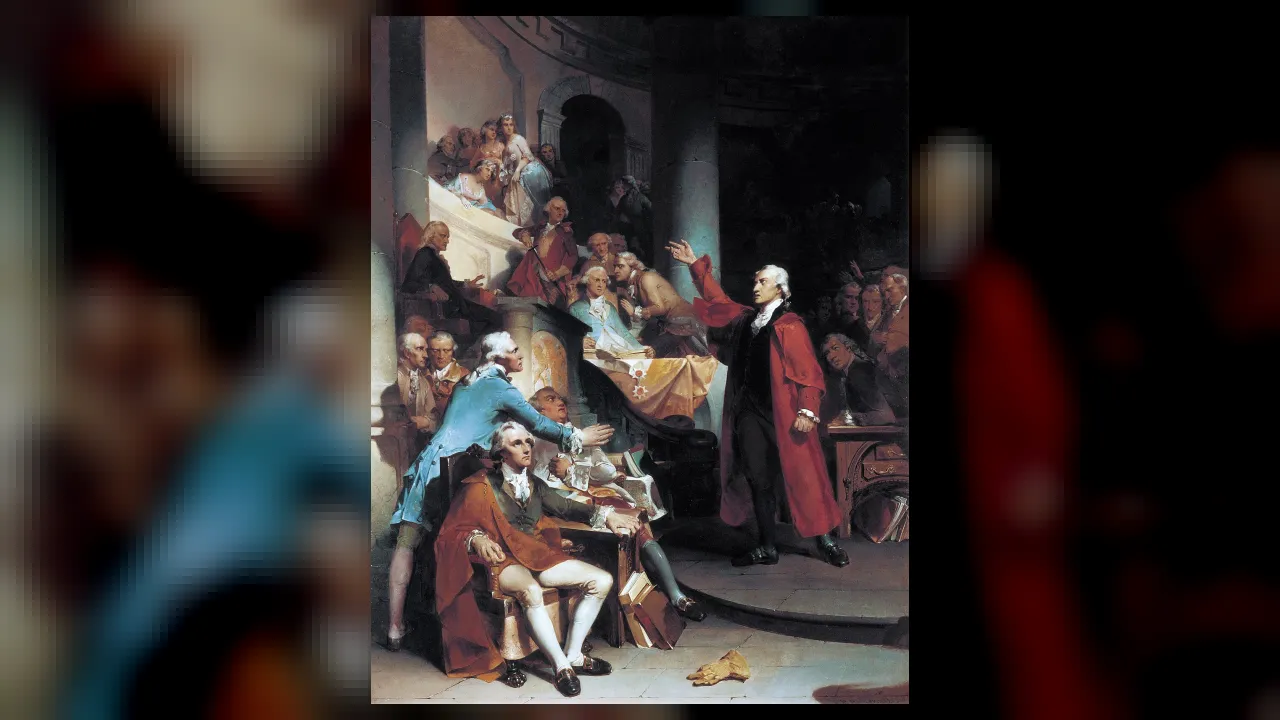
Yet the institutional habit of self-government endured. Relocated to Williamsburg in 1699, the House of Burgesses became the forum where Patrick Henry thundered against the Stamp Act in 1765 and where Washington, Jefferson, and George Wythe forged the parliamentary skills that built the American republic.