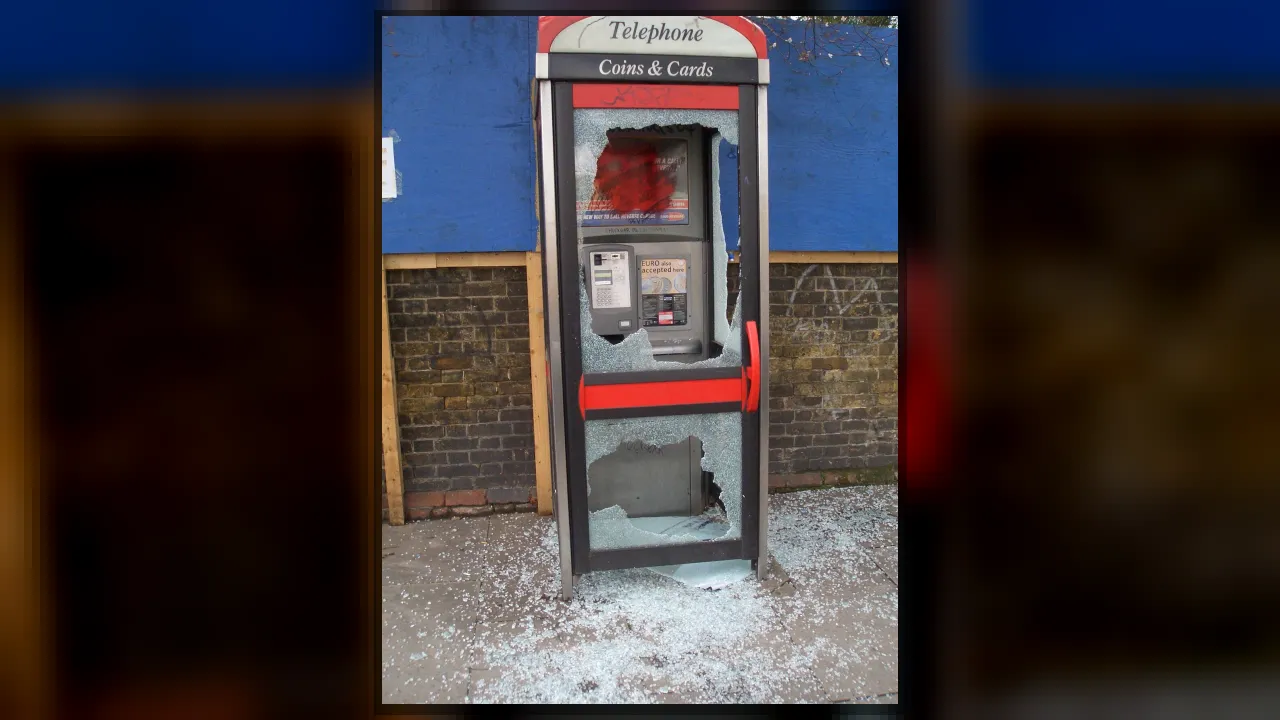
Tempered glass breaks into tiny round pieces, not sharp shards!
✨ Word Sparks (Grade 2 Glossary)
Tap 🔊 to hear
tempered
Made stronger by heating and cooling
laminated
Made of layers stuck together
shard
A sharp broken piece of glass
🪝
Have you ever heard glass break but not scatter?
1
Safe Glass for People
Safety glass is made to protect people. When it breaks, it does not make sharp pieces. It stays in one big piece or breaks into tiny safe bits.
2
How Is It Made?
glass is heated and cooled quickly. glass has two glass sheets with a plastic layer in between. Both types help keep people safe.
3
Where Do We Use It?
We see safety glass in cars, buses, and big building windows. It is also used in doors and playgrounds. Safety glass helps keep accidents from becoming dangerous.
Laminated glass was first invented by accident when a scientist dropped a glass flask coated with plastic!
✨ Word Sparks (Grade 3 Glossary)
Tap 🔊 to hear
vibration
Fast shaking movement
resistant
Able to stand up to force
prototype
The first working model of something
🪝
What keeps car windows from shattering dangerously in a crash?
1
The Mystery of Strong Glass
Imagine a baseball hits a car window. Instead of sharp pieces flying, the glass holds together. This is because of special safety glass. It is designed to protect people from dangerous shards.
2
Tempered Glass: Heated and Tough
Tempered glass is made by heating glass and then cooling it quickly. This process makes the glass much stronger than regular glass. When it breaks, it crumbles into small, harmless pieces. This helps prevent cuts and injuries.
3
Laminated Glass: Layers That Stick
Laminated glass has two or more layers of glass with a plastic sheet between them. If it cracks, the plastic holds the pieces together. This type is used in windshields and skylights for extra safety.
4
Everyday Uses of Safety Glass
You can find safety glass in cars, buses, and even some playground equipment. Large building windows and glass doors often use it too. Its special design saves lives during accidents and storms.
1. Why does tempered glass break into small pieces?
2. What holds laminated glass together when it cracks?
🤯 Mind-Blowing Fact • Grade 4
The first laminated glass windshield was inspired by a dropped glass flask that didn’t shatter!
✨ Word Sparks (Grade 4 Glossary)
Tap 🔊 to hear
compression
A squeezing force that pushes together
tension
A pulling force that stretches
polyvinyl butyral
A strong, clear plastic for safety glass
🪝
What secret science keeps glass from turning into sharp, dangerous shards?
1
Breaking the Glass Problem
Long ago, glass was beautiful but dangerous, shattering into sharp pieces that could hurt people. Inventors wanted to create glass that would protect us, not harm us, especially as cars and tall buildings became common. This challenge led to the invention of tempered and laminated safety glass.
2
Tempered Glass: Science of Strength
Tempered glass is made by heating ordinary glass to around 620°C and then cooling it rapidly. This process puts the outer surfaces in and the inside in , making the glass much stronger. If it does break, the tension causes it to crumble into tiny, blunt cubes instead of dangerous shards.
3
Laminated Glass: Layered for Safety
Laminated glass sandwiches a thin, clear plastic layer—usually —between two sheets of glass. When the glass cracks, the plastic holds the pieces together, preventing them from flying apart. This technique is essential for windshields, skylights, and hurricane-resistant windows.
4
Changing the World with Safer Glass
Safety glass has saved countless lives in car crashes and storms by preventing serious injuries. Its invention made possible the wide use of glass in architecture, from huge skyscrapers to glass doors and bus shelters. Today, both types of safety glass are required by law in many public places.
1. Why is tempered glass stronger than regular glass?
2. How does laminated glass stop injuries?
🤯 Mind-Blowing Fact • Grade 5
A single square meter of laminated safety glass can withstand a steel ball dropped from 3 meters without shattering!
✨ Word Sparks (Grade 5 Glossary)
Tap 🔊 to hear
compression stress
A squeezing force that makes materials stronger
interlayer
A material sandwiched between two glass sheets
fragmentation
Breaking into many small, safe pieces
🪝
How did the invention of safety glass revolutionize modern transportation and architecture?
1
A Glass Revolution: From Fragile to Fearless
Imagine riding in a car or standing inside a skyscraper surrounded by glass. Without safety glass, a single impact could send razor-sharp shards flying everywhere, causing serious harm. In the early 20th century, French chemist Édouard Bénédictus accidentally discovered laminated glass when he dropped a cellulose-coated flask that cracked but did not shatter. This discovery, along with the later development of tempered glass by Austrian chemist Rudolph Seiden, transformed glass from a fragile hazard into a life-saving material.
2
Tempered Glass: Engineering Strength Through Physics
Tempered glass is manufactured by heating standard soda-lime glass to about 620°C, then rapidly cooling it with jets of air. This process creates a state of compression on the outer surfaces and tension inside, increasing its strength by up to four times compared to ordinary glass. When broken, the stored energy causes the glass to fragment into small, blunt granules rather than sharp splinters, dramatically reducing the risk of injury.
3
Laminated Glass: The Science of Layered Protection
Laminated safety glass consists of two or more sheets of glass bonded with a thin, flexible plastic —usually polyvinyl butyral (PVB). The lamination process involves heat and pressure, creating a strong bond that holds the glass together even when cracked. This design prevents the glass from shattering and flying apart, making it ideal for windshields, hurricane-resistant windows, and security applications.
4
Impact on Society: Safer Roads and Skylines
The adoption of safety glass has revolutionized transportation and construction worldwide. Car windshields made from laminated glass protect drivers and passengers during collisions, while tempered glass is used in side and rear windows, doors, and shower enclosures. The ability to use large, safe glass panels has enabled architects to design taller, brighter buildings and safer public spaces.
5
From Accidental Discovery to Global Standard
Today, safety glass is required by law in vehicles, public buildings, and many household products. Its invention has saved countless lives and prevented serious injuries in accidents and natural disasters. The ongoing development of new materials and advanced manufacturing techniques continues to push the boundaries of what glass can do, making our world safer and more transparent every day.