1. What color is the inside of a ruby red grapefruit?
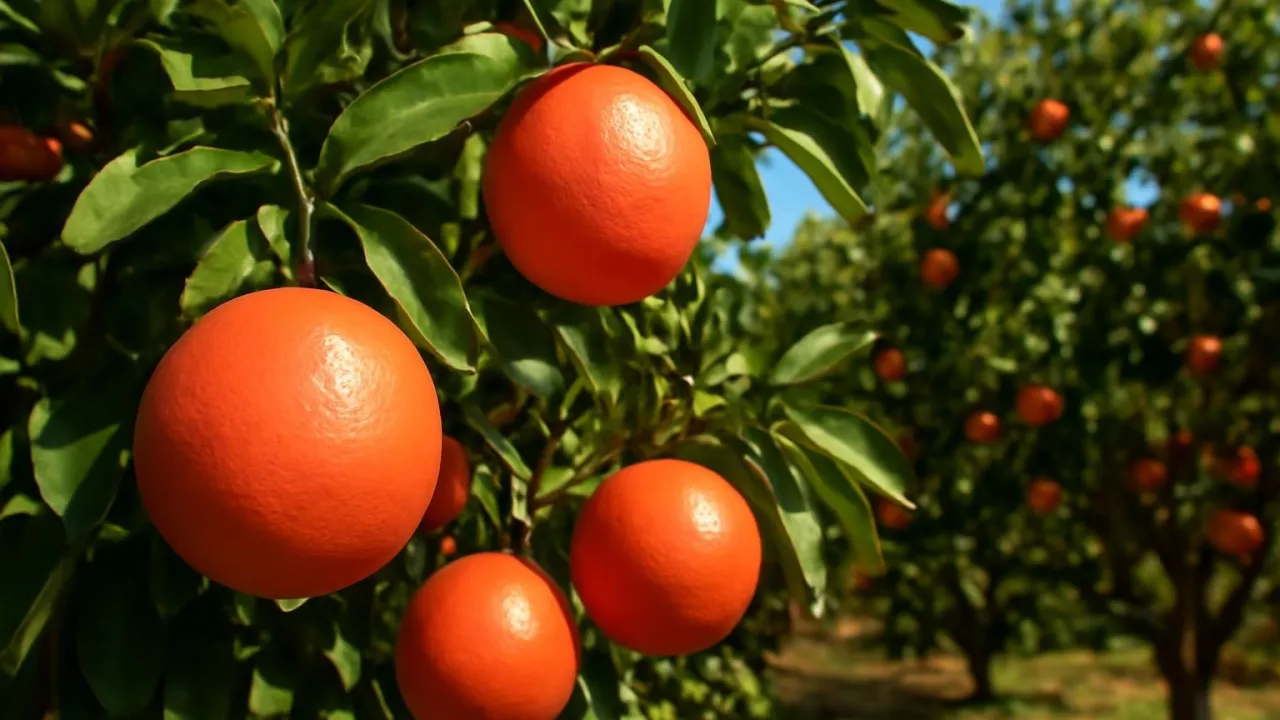
2. Where do grapefruits grow?
🤯 Mind-Blowing Fact • Grade 2
Lycopene, the pigment that colors ruby red grapefruit, is also found in tomatoes!
✨ Word Sparks (Grade 2 Glossary)
Tap 🔊 to hear
lycopene
A red pigment found in some fruits
ripe
Ready and good to eat
vitamins
Nutrients that help your body grow
🪝
Have you ever tasted a fruit that is both sweet and a little sour?
1
Ruby Red Grapefruit’s Look
Ruby red grapefruit has smooth yellow skin and bright red juicy flesh inside. It is big and round, about the size of a small melon. The fruit’s red color comes from natural pigments called . This makes it look very special compared to other grapefruits.
2
Where Grapefruits Grow
Grapefruit trees grow best in warm places like Texas and Florida. They need full sun and plenty of water to stay healthy. The trees can grow tall and have shiny green leaves that help make food for the fruit. Farmers pick the fruit when it is and ready to eat.
3
Tasty and Good for You
People enjoy eating ruby red grapefruit because it tastes sweet and a little sour. It is full of juice and that help keep your body strong. You can eat it fresh or use it in juices and salads. Grapefruit is a healthy choice for breakfast or snacks.
1. What makes the ruby red grapefruit’s inside red?
2. Where do grapefruit trees grow best?
🤯 Mind-Blowing Fact • Grade 3
Ruby red grapefruit’s lycopene pigment is an antioxidant that helps fight cell damage.
✨ Word Sparks (Grade 3 Glossary)
Tap 🔊 to hear
lycopene
Red pigment that protects fruit from sunlight
pollination
When animals help plants make seeds
nutrients
Food plants need to grow strong
🪝
Did you know ruby red grapefruit’s red color helps protect it from sunlight?
1
Bright Color and Protection
Ruby red grapefruit has a bright red color inside because of , a natural pigment. Lycopene helps protect the fruit from damage caused by sunlight. This pigment also makes the fruit look very attractive to animals that help spread its seeds. The bright red color is a clever adaptation for survival.
2
How Grapefruit Trees Grow
Grapefruit trees thrive in subtropical climates where there is plenty of sunlight and warmth. These trees need rich soil and regular watering to absorb . Their thick green leaves help with photosynthesis, turning sunlight into energy. This process supports the growth of juicy, healthy fruit.
3
Role in the Ecosystem
Ruby red grapefruit trees provide food for many animals like birds and insects. These animals help with , which allows the trees to produce fruit. The fruit’s sweet and sour taste attracts animals that eat it and spread the seeds. This symbiotic relationship helps the grapefruit species survive and grow.
4
Healthy and Delicious
People enjoy eating ruby red grapefruit because it tastes sweet and tart at the same time. It is packed with vitamins like vitamin C that support the immune system. Eating grapefruit can help protect against illnesses and keep the body strong. It is a tasty and nutritious fruit loved worldwide.
1. What does lycopene help ruby red grapefruit do?
2. How do animals help grapefruit trees?
🤯 Mind-Blowing Fact • Grade 4
Sustainable farming helps ruby red grapefruit orchards protect beneficial insects and soil health.
✨ Word Sparks (Grade 4 Glossary)
Tap 🔊 to hear
ecosystem
A place where plants and animals live together
pollination
When animals help plants make seeds
sustainable
Farming that helps nature stay healthy
🪝
How does the ruby red grapefruit’s color affect its place in nature?
1
Color and Survival
The ruby red grapefruit’s deep red color comes from lycopene, a pigment that protects the fruit from harmful UV rays. This protection helps the fruit stay fresh longer and reduces damage from the sun’s heat. The bright color also attracts animals that eat the fruit and help spread its seeds, ensuring the tree’s survival.
2
Growing Conditions and Ecosystem Role
Ruby red grapefruit trees grow best in warm, subtropical climates with plenty of sunlight and water. They play an important role in their by providing food for birds, insects, and other animals. These animals help with and seed dispersal, which supports the growth of new grapefruit trees in the area.
3
Human Impact and Agriculture
Farmers cultivate ruby red grapefruit in orchards mainly in Texas and Florida, where the climate suits the trees well. Agricultural practices like irrigation and pest control help produce large, healthy fruits. However, overuse of pesticides can harm beneficial insects and upset the balance, showing the need for farming.
4
Global Distribution and Uses
Ruby red grapefruit is enjoyed worldwide for its sweet-tart flavor and health benefits. It is often eaten fresh or used in juices, salads, and desserts. The fruit’s popularity has led to its cultivation in many subtropical regions beyond the United States, expanding its role in global agriculture and diets.
1. Why does the ruby red grapefruit’s color help it survive?
2. What can happen if farmers use too many pesticides?
🤯 Mind-Blowing Fact • Grade 5
Lycopene in ruby red grapefruit is a powerful antioxidant that supports both plant and human health.
✨ Word Sparks (Grade 5 Glossary)
Tap 🔊 to hear
hybrid
A mix of two different plants or animals
antioxidant
A substance that protects cells from damage
selective breeding
Choosing plants to grow better fruits
🪝
What makes the ruby red grapefruit a unique citrus fruit in science and agriculture?
1
Scientific Classification and Origin
The ruby red grapefruit, Citrus × paradisi, is a fruit believed to have originated in the 18th century in Barbados. It is a cross between the pomelo (Citrus maxima) and the sweet orange (Citrus sinensis). This hybridization produced a fruit with unique characteristics such as its bright red flesh and balanced sweet-tart flavor.
2
Physiological Mechanics of Color and Growth
The ruby red color of the grapefruit’s flesh is due to lycopene, a carotenoid pigment that accumulates during fruit ripening. Lycopene acts as an , protecting the fruit’s cells from oxidative damage caused by sunlight and environmental stress. The fruit grows on subtropical trees that require full sun exposure and well-drained soil for optimal nutrient uptake.
3
Conservation and Agricultural History
Commercial cultivation of ruby red grapefruit expanded significantly in the 20th century, especially in Texas and Florida. Efforts to improve disease resistance and fruit quality have led to programs. Sustainable farming practices are increasingly important to minimize pesticide use and protect beneficial insect populations essential for pollination.
4
Quantitative Comparisons and Uses
Ruby red grapefruits typically measure between 4 to 6 inches (10 to 15 centimeters) in diameter and weigh about 1 to 2 pounds (450 to 900 grams). They thrive in temperatures ranging from 70 to 85 degrees Fahrenheit (21 to 29 degrees Celsius). The fruit is widely consumed fresh, juiced, or incorporated into culinary dishes worldwide.
5
Economic and Nutritional Importance
This fruit is a valuable crop contributing significantly to the citrus industry’s economy. It provides essential nutrients such as vitamin C, dietary fiber, and that support human health. The ruby red grapefruit’s unique flavor and nutritional profile make it a popular choice among consumers seeking healthy food options.