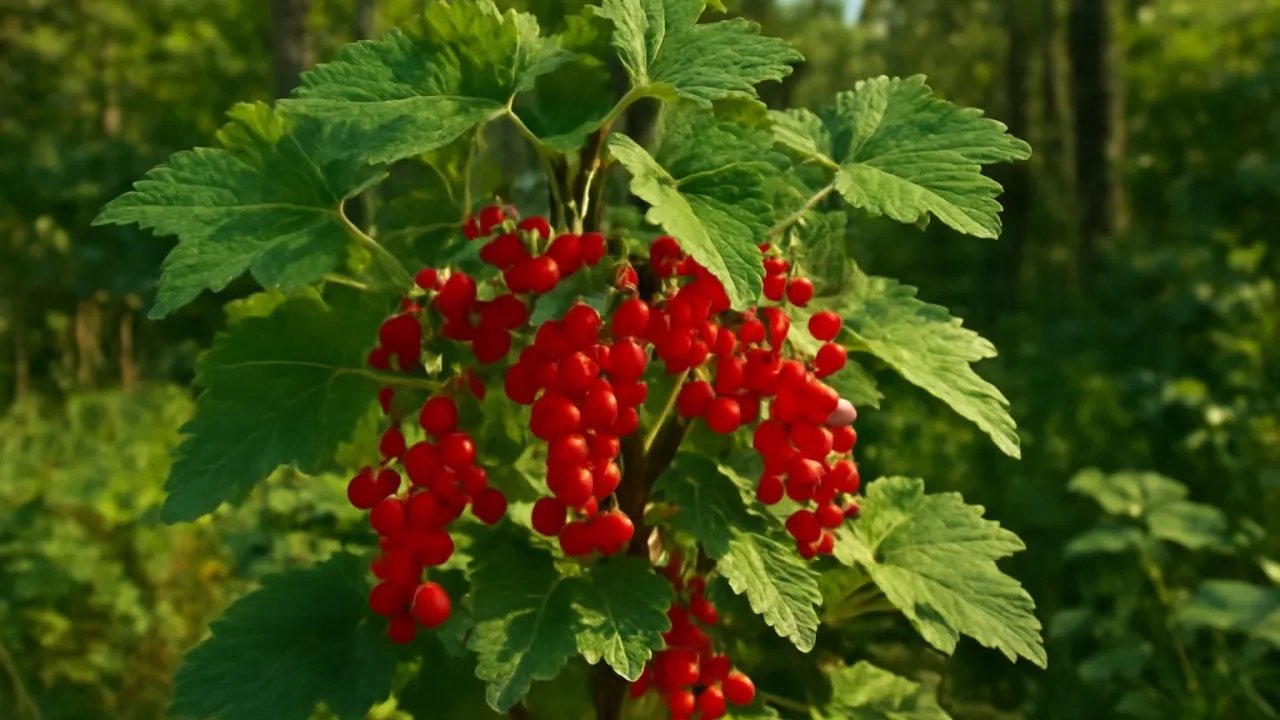
Red currants contain more vitamin C than many other fruits like oranges and strawberries.
✨ Word Sparks (Grade 2 Glossary)
Tap 🔊 to hear
cluster
A group of things close together
vitamin C
A nutrient that helps keep you healthy
gardeners
People who grow plants and flowers
🪝
Have you ever tasted a berry that is both sweet and sour at the same time?
1
Bright and Shiny Berries
Red currants grow in small, shiny on bushes. They are bright red and round. People like to eat them fresh or in jams.
2
Where Red Currants Live
These berries grow best in cool places with plenty of sun and water. They are common in Europe and parts of Asia. often plant them in their yards.
3
A Healthy Snack
Red currants have lots of , which helps keep people healthy. They taste sour and sweet, making them fun to eat. Many use them to make tasty jams and sauces.
1. What kind of places do red currants grow best in?
2. What do people often make from red currants?
🤯 Mind-Blowing Fact • Grade 3
Red currants’ bright color and sour taste are key adaptations for survival and seed dispersal.
✨ Word Sparks (Grade 3 Glossary)
Tap 🔊 to hear
seed dispersal
How seeds spread to new places
camouflage
How plants hide by blending in
antioxidants
Healthy things that protect your body
🪝
Did you know red currants use bright colors to attract animals for seed spreading?
1
Bright Berries and Their Color
Red currants have bright red berries that stand out in green bushes. This bright color helps attract birds and animals. These animals eat the berries and help spread the seeds. This process is called .
2
Where Red Currants Grow
Red currants grow in temperate regions of Europe and Asia. They prefer cool climates with moist soil and full sun. These shrubs can grow up to five feet tall. They adapt well to garden environments.
3
How Red Currants Survive
The shrub’s leaves help protect berries by camouflaging them from some predators. The sour taste of berries also keeps some animals from eating too many. This adaptation helps ensure some berries survive to grow new plants.
4
Using Red Currants
Humans use red currants to make jams, jellies, and sauces. They are rich in vitamin C and . These nutrients help protect the body from illness. Red currants play an important role in healthy diets.
2. What helps protect red currants from some animals eating too many berries?
🤯 Mind-Blowing Fact • Grade 4
Red currants contribute to ecosystems by supporting wildlife and helping plants spread seeds through animals.
✨ Word Sparks (Grade 4 Glossary)
Tap 🔊 to hear
symbiosis
When two living things help each other
pollinate
How flowers get pollen to make seeds
ecosystem
All living things in one place
🪝
How do red currants help their ecosystem while also feeding people?
1
Bright Berries and Seed Dispersal
Red currants produce bright red berries that attract birds and mammals, which eat the fruit and carry seeds away. This seed dispersal helps red currant plants spread across temperate forests and gardens. The bright color and sour taste are evolutionary traits that increase survival chances and protect the plants from overfeeding.
2
Habitat and Growth Conditions
These shrubs thrive in temperate climates of Europe and Asia where they receive full sunlight and moist, well-drained soil. They grow best in areas with cool summers and cold winters, which help trigger flowering and fruit production. Gardeners cultivate red currants for their tasty berries and adaptability to different soils.
3
Role in Food Webs and Symbiosis
Red currants serve as a food source for many birds and small mammals, supporting local food webs. Some insects their flowers, which is a symbiotic relationship benefiting both plants and pollinators. This interaction helps maintain biodiversity and health in their habitats.
4
Human Use and Agricultural Impact
Humans harvest red currants for jams, jellies, and desserts, contributing to local economies. Cultivation practices influence soil health and biodiversity, so sustainable farming is important to reduce environmental impact. Understanding red currants’ ecological role helps balance agriculture and conservation efforts.
Red currants contain nearly twice the vitamin C of oranges, making them a powerful natural source.
✨ Word Sparks (Grade 5 Glossary)
Tap 🔊 to hear
anthocyanins
Pigments that give berries their red color
mutualistic
When two species help each other survive
genetic diversity
Different genes that help plants stay healthy
🪝
What fascinating adaptations allow red currants to thrive and support ecosystems across continents?
1
Scientific Classification and Origins
Red currants belong to the genus Ribes and species rubrum within the family Grossulariaceae. Native to temperate regions of Europe and Asia, they have been cultivated for centuries for their edible fruit and ornamental value. Their classification helps scientists study related species and evolutionary traits, revealing how they adapted over time.
2
Physiological Adaptations and Growth
These deciduous shrubs grow up to 1.5 meters tall and require full sun with moist, well-drained soils. Their bright red berries contain high levels of vitamin C and , pigments that protect the fruit from ultraviolet damage. The sour flavor deters overconsumption by some animals, ensuring seed dispersal over time and increasing survival chances.
3
Ecological Roles and Pollination
Red currants contribute to temperate forest ecosystems by providing food for birds and mammals, which aid in seed dispersal. Their flowers attract various insect pollinators, including bees, forming relationships that enhance fruit production and biodiversity. This ecological role supports balanced food webs and ecosystem stability.
4
Conservation and Agricultural History
Historically, red currants have been cultivated since the Middle Ages, valued for their nutritional and culinary uses. Conservation efforts focus on preserving wild populations threatened by habitat loss and climate change. Sustainable farming practices help maintain soil health, , and reduce environmental impacts in cultivated varieties.
5
Quantitative Comparisons and Uses
Red currant berries measure about 6 to 9 millimeters in diameter and weigh roughly 0.2 grams each. They ripen in early summer at temperatures between 60 and 75 degrees Fahrenheit. Compared to other berries, red currants have nearly twice the vitamin C content of oranges, making them a potent nutritional source for human diets worldwide.