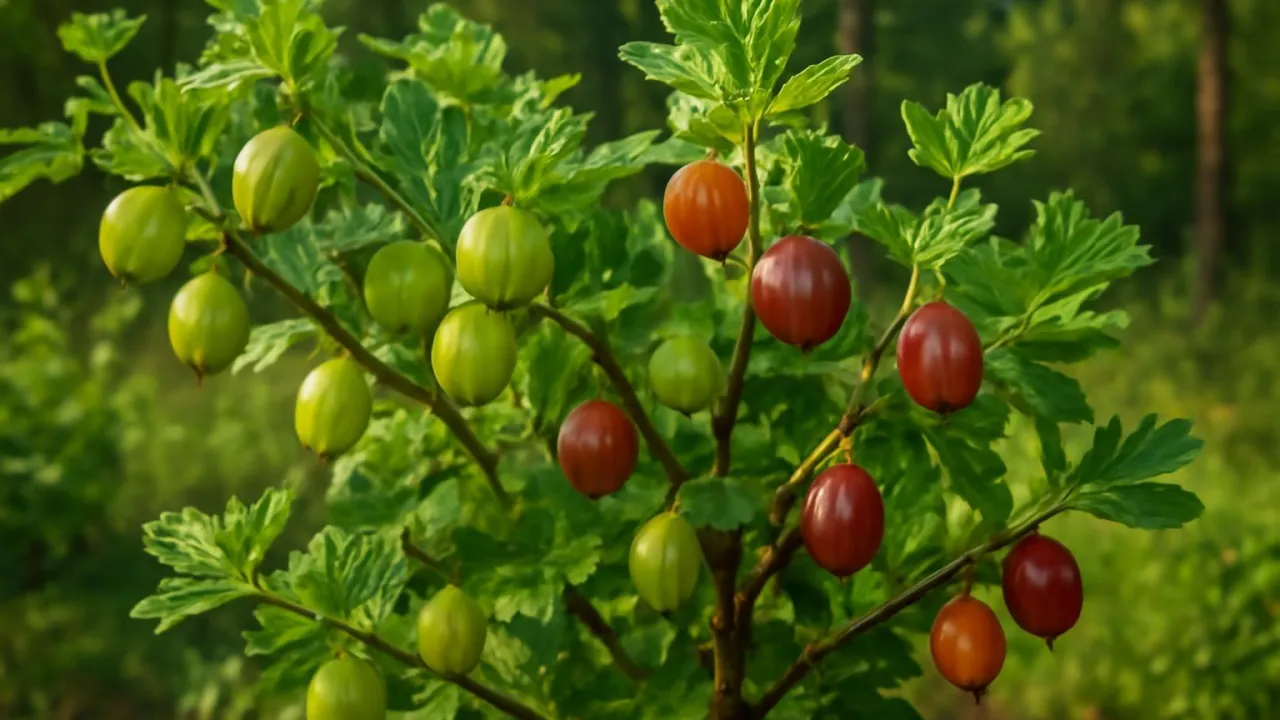
Gooseberries have tiny hairs on their skin that help protect them from bugs!
✨ Word Sparks (Grade 2 Glossary)
Tap 🔊 to hear
thorny
Having sharp points like tiny spikes
ripe
Ready to eat and sweet or tasty
vitamin C
A nutrient that helps stop colds
🪝
Have you ever tasted a berry that is both sour and sweet?
1
What Gooseberries Look Like
Gooseberries are small round fruits that grow on bushes. They can be green, red, or purple. The skin is thin but has tiny lines. When , they are juicy and tasty.
2
Where Gooseberries Grow
These berries grow best in cool, temperate places with full sun. They need well-drained soil and moderate water. Birds and animals often eat the berries and spread the seeds. Gooseberries are common in Europe and parts of Asia.
3
Why People Like Them
People enjoy gooseberries because they taste sour and sweet together. They are rich in , which helps the body fight sickness. Gooseberries can be eaten fresh or cooked in pies and jams. Their unique flavor makes them special.
Gooseberries’ tiny hairs help protect them from insects and harsh weather.
✨ Word Sparks (Grade 3 Glossary)
Tap 🔊 to hear
adaptation
A change that helps plants or animals survive
pollination
When pollen moves to help plants make seeds
ecosystem
All living things and places in one area
🪝
Did you know gooseberries have tiny hairs that protect them from insects?
1
Physical Features
Gooseberries are small, round fruits that grow on thorny shrubs. Their skin is covered with tiny hairs that act as natural protection. The berries change color from green to red or purple when ripe. This helps them avoid some predators.
2
Habitat and Growth
Gooseberries grow in temperate regions with cool climates and plenty of sunlight. They prefer well-drained soil and moderate water to thrive. These shrubs can grow up to five feet tall and produce many berries each season. Their thorns help protect the plant from animals.
3
Role in the Ecosystem
Gooseberries provide food for birds and small mammals, which help spread their seeds. This seed dispersal is important for the plant’s reproduction and growth. The berries also attract pollinators, aiding in . They play a key role in their local food web.
4
Human Uses
People harvest gooseberries for their tart and sweet flavor, which is rich in vitamin C. They are eaten fresh or used in jams, pies, and sauces. The fruit’s nutrients support human health and immunity. Gooseberries have been cultivated for centuries for these benefits.
Gooseberries’ thorns and hairs work together to protect the plant from many dangers.
✨ Word Sparks (Grade 4 Glossary)
Tap 🔊 to hear
biodiversity
Many different plants and animals living together
mutualism
When two living things help each other survive
cultivation
Growing plants to use or eat
🪝
How do gooseberries’ tiny hairs and thorns help them survive in nature?
1
Physical Adaptations
Gooseberries have tiny hairs on their skin that protect them from insects and harsh weather conditions. Their thorny branches deter animals from eating the berries and damaging the plant. These adaptations increase the gooseberry’s chances of survival in competitive habitats. The berries’ changing colors signal ripeness to animals.
2
Ecosystem Role
Gooseberries serve as an important food source for birds and small mammals, which helps maintain local . By eating the berries, animals disperse seeds across the landscape, aiding plant reproduction. Pollinators like bees visit gooseberry flowers, supporting pollination and fruit production. This mutual relationship benefits both plants and animals in the ecosystem.
3
Geographic Distribution
Native to temperate regions of Europe and Asia, gooseberries thrive in cool climates with well-drained soils. They are often found in forest edges, meadows, and gardens where sunlight is abundant. Human has spread gooseberries to other parts of the world with similar climates. Their ability to grow in various soils shows their adaptability.
4
Human Impact and Uses
Humans have cultivated gooseberries for centuries due to their tart flavor and high vitamin C content. They are used in cooking, jams, desserts, and traditional medicines around the world. Overharvesting can threaten wild populations, so sustainable farming practices are important. Gooseberries also contribute to local economies and cultural food traditions.
1. Why do gooseberries have thorns and tiny hairs?
2. How do animals help gooseberries grow?
🤯 Mind-Blowing Fact • Grade 5
Gooseberries’ tiny hairs, called trichomes, protect the fruit from insects and water loss.
✨ Word Sparks (Grade 5 Glossary)
Tap 🔊 to hear
trichomes
Tiny hairs on plants that protect them
herbivory
When animals eat plants for food
genetic diversity
Differences in genes that help plants survive
🪝
What makes gooseberries a unique fruit in both nature and human culture?
1
Scientific Classification and Description
Gooseberries belong to the genus Ribes and the species uva-crispa, part of the Grossulariaceae family. They are deciduous shrubs that typically grow between three to five feet tall. The fruit is a small, round berry covered with fine hairs called . These hairs serve as a physical barrier against herbivores and environmental stressors.
2
Physiological Adaptations and Growth
Gooseberry plants thrive in temperate climates with well-drained soils and moderate moisture levels. Their thorny stems reduce by deterring larger animals from feeding on the leaves and fruit. The on berries reduce water loss and protect against insect predation. Photosynthesis occurs efficiently in their broad leaves, supporting healthy fruit development.
3
Ecological Roles and Interactions
In their native habitats across Europe and Asia, gooseberries play a vital role in food webs by providing nutrients to birds and mammals. These animals aid in seed dispersal, which promotes and plant propagation. Pollinators such as bees facilitate flower fertilization, ensuring fruit production. The plant’s adaptations exemplify mutualistic relationships within its ecosystem.
4
Conservation and Agricultural History
Gooseberries have been cultivated since medieval times for their culinary and medicinal uses, valued for high vitamin C content. However, wild populations face threats from habitat loss and overharvesting. Sustainable cultivation practices and breeding programs help conserve . Their historical importance is reflected in traditional recipes and cultural heritage.
5
Quantitative Comparisons and Uses
Gooseberries typically weigh between 5 to 10 grams each and measure about 1 to 2 centimeters in diameter. They grow on shrubs that can reach 1.5 meters tall. The berries contain approximately 27 milligrams of vitamin C per 100 grams, surpassing many common fruits. Their tart flavor makes them popular in jams, pies, and beverages worldwide.