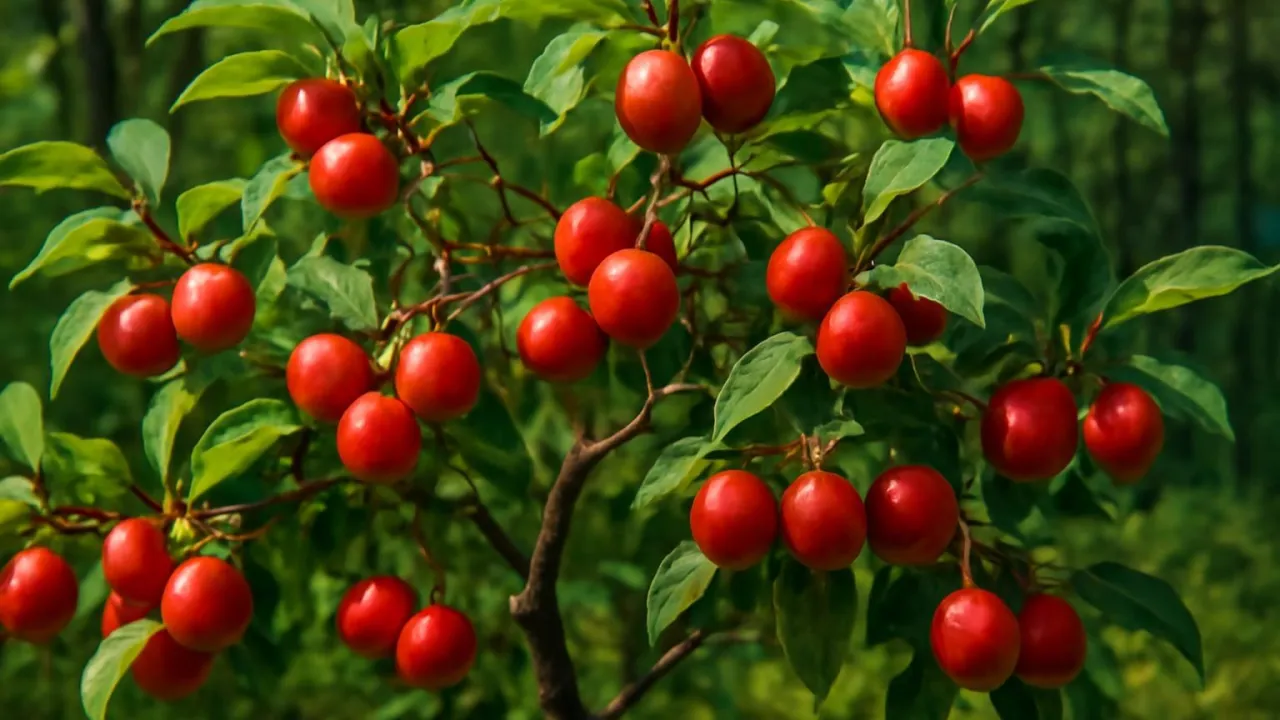
Crabapples are important for many animals because they provide food in fall and winter.
✨ Word Sparks (Grade 2 Glossary)
Tap 🔊 to hear
pollinate
When bees help flowers make fruit
nectar
Sweet juice flowers make for bees
seed
A tiny part that grows a new plant
🪝
Have you ever seen a crabapple tree with tiny bright fruits?
1
Where Crabapples Grow
Crabapple trees grow in cool places like forests and parks. They need full sun to grow well. The trees have many green leaves that catch sunlight.
2
Life of a Crabapple
In spring, crabapple trees bloom with white or pink flowers. Bees visit these flowers to collect and help them. After pollination, tiny fruits start to grow on the branches.
3
Special Fruit Features
Crabapples are small and round, usually less than two inches wide. Their colors can be red, yellow, or even green. Many animals eat these fruits and help spread the .
Crabapple fruits are small but play a big role in forest food webs and seed dispersal.
✨ Word Sparks (Grade 3 Glossary)
Tap 🔊 to hear
photosynthesis
How plants make food from sunlight
pollinators
Animals that help flowers make fruit
camouflage
Colors that help plants hide or stand out
🪝
Did you know crabapples use bright colors to attract animals for seed spreading?
1
Crabapple Habitat and Growth
Crabapple trees grow in temperate forests and parks across many regions. They need full sun and moderate water to thrive. Their green leaves help capture sunlight for . This process provides nutrients for growth and fruit production.
2
Pollination and Fruit Development
In spring, crabapple trees bloom with fragrant white or pink flowers. Bees and other visit these flowers to collect nectar and transfer pollen. This pollination helps the tree produce small fruits called crabapples. The fruits develop and ripen by fall.
3
Fruit Features and Adaptations
Crabapples are small, often less than two inches wide, and vary in color from red to yellow or green. Their bright colors act as and attract birds and mammals. These animals eat the fruits and help disperse the seeds, aiding the tree’s reproduction.
4
Survival and Ecosystem Role
Crabapple trees provide food and shelter for many animals, including birds and insects. Their fruits are a vital part of the food web during fall and winter. By spreading seeds, animals help the trees adapt and survive in changing environments.
Crabapple trees support forest ecosystems by feeding animals and helping new trees grow.
✨ Word Sparks (Grade 4 Glossary)
Tap 🔊 to hear
fertilization
When pollen helps make seeds in flowers
symbiotic
When two living things help each other
ecosystem
A place where plants and animals live together
🪝
How do crabapple trees help animals and plants survive in forests?
1
Habitat and Growth Conditions
Crabapple trees thrive in temperate regions where they receive full sun and moderate rainfall. These conditions allow the trees to photosynthesize efficiently, producing energy to grow leaves and fruit. Their green leaves capture sunlight, which is essential for their survival and development. Healthy leaves help the tree prepare for the cold winter months.
2
Pollination and Fruit Production
During spring, crabapple trees produce fragrant flowers that attract bees and other pollinators. These pollinators transfer pollen between flowers, enabling and fruit development. The resulting crabapples ripen in fall, providing a food source when other fruits are scarce. This timing helps animals survive through colder seasons.
3
Ecosystem Role and Food Webs
Crabapple fruits serve as an important food source for birds, mammals, and insects during fall and winter months. By eating the fruits, these animals help disperse seeds across the forest floor, supporting new tree growth. This relationship benefits both the trees and wildlife, creating a balanced .
4
Geographic Distribution and Human Impact
Native to North America, Europe, and Asia, crabapple trees have adapted to various temperate climates. Humans often plant crabapples in parks and gardens for their beauty and ecological benefits. However, habitat loss and climate change can affect their natural populations and growth. Conservation efforts help protect these valuable trees and their habitats.
1. What role do animals play with crabapple fruits?
2. Where do crabapple trees naturally grow?
🤯 Mind-Blowing Fact • Grade 5
Crabapple trees survive freezing winters and produce fruits that feed many animals year-round.
✨ Word Sparks (Grade 5 Glossary)
Tap 🔊 to hear
genus
A group of related plants or animals
photosynthesis
How plants make food from sunlight
pollinator
An animal that helps flowers make fruit
🪝
What makes crabapple trees scientifically unique in the fruit family?
1
Taxonomy and Scientific Classification
Crabapple trees belong to the Malus within the Rosaceae family, closely related to domestic apples. They include numerous species and hybrids adapted to temperate climates worldwide. Their classification helps botanists understand evolutionary relationships and biodiversity. This diversity allows them to survive in many different environments.
2
Physiological Mechanics and Adaptations
These trees use to convert sunlight into energy, supporting growth and fruit production. Their small fruits have thick skins and tart flavors, which deter some predators but attract birds and mammals for seed dispersal. The trees also have adaptations like frost tolerance for survival in cooler climates. Their roots efficiently absorb water and nutrients from the soil.
3
Ecological Importance and Conservation
Crabapple trees play a vital role in forest ecosystems by providing food during scarce seasons and supporting populations. Conservation efforts focus on preserving native species and habitats threatened by urbanization and climate change. Their genetic diversity is important for breeding resilient fruit crops. Protecting crabapples helps maintain healthy ecosystems and biodiversity.
4
Botanical History and Human Use
Historically, crabapples have been cultivated for ornamental purposes and as rootstocks for apple trees. Indigenous peoples used crabapples for food, medicine, and tools. Today, they remain valued for their ecological benefits and aesthetic appeal in landscapes. Their fruits are sometimes used to make jellies and ciders.
5
Quantitative Comparisons and Facts
Crabapple trees typically grow 15 to 30 feet tall and produce fruits measuring 0.5 to 2 inches in diameter. Their flowering period lasts about two weeks in spring, and fruits ripen in 3 to 4 months. These trees can survive temperatures as low as -30°F (-34°C), showcasing impressive cold tolerance. Some species produce thousands of fruits each season, feeding many animals.