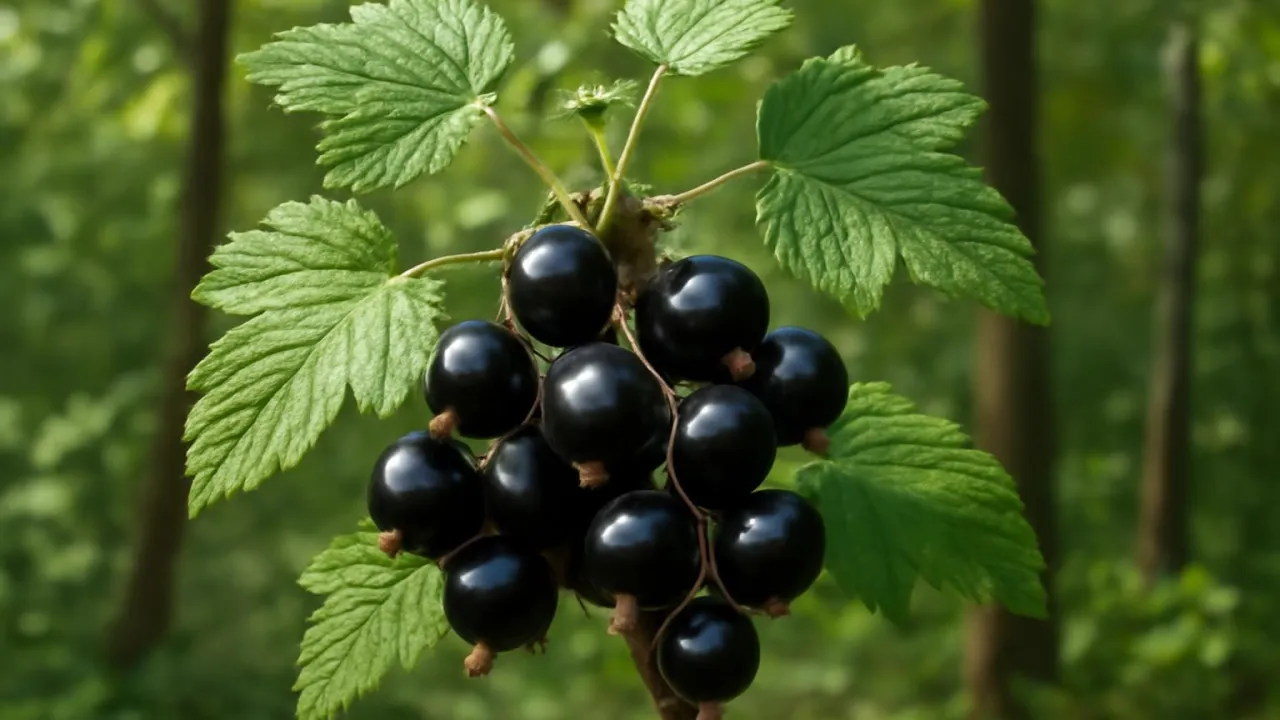
Blackcurrants contain more vitamin C than oranges and lemons combined!
✨ Word Sparks (Grade 2 Glossary)
Tap 🔊 to hear
bunches
Groups of things growing close together
moist
A little wet or damp
vitamin C
A nutrient that helps fight sickness
🪝
Have you ever tasted berries that are tiny but very powerful?
1
What Are Blackcurrants?
Blackcurrants are small fruits that grow in on bushes. They have a dark purple color and a sour taste. People often use them to make juice and jams.
2
Where Do They Live?
Blackcurrant bushes grow best in cool places with plenty of sun and soil. They are native to Europe and parts of Asia. Farmers grow them in gardens and farms.
3
Why Are They Special?
These berries have a lot of , which helps keep people healthy. Their strong flavor makes them popular in drinks and desserts. Birds also eat blackcurrants in the wild.
Blackcurrants have more vitamin C per berry than oranges, making them a natural health booster!
✨ Word Sparks (Grade 3 Glossary)
Tap 🔊 to hear
camouflage
Colors that help hide from animals
pollination
When insects help flowers make fruit
antioxidants
Healthy things that protect your body
🪝
Did you know blackcurrants have a superpower that helps your body fight sickness?
1
Blackcurrants and Their Appearance
Blackcurrants are small, dark purple berries that grow in tight clusters on shrubs. Their color helps them blend in with shadows, a natural from birds. The berries have a smooth skin and a juicy inside filled with tiny seeds. This design helps protect the seeds while attracting animals to eat them.
2
Where Blackcurrants Grow
These shrubs grow in temperate regions of Europe and Asia where the climate is cool and moist. They need sunlight and well-drained soil rich in nutrients to thrive. Blackcurrants often grow near forests or riverbanks where water is plentiful. This habitat helps the plants survive through different seasons.
3
How Blackcurrants Help the Ecosystem
Blackcurrants provide food for many animals, including birds and insects that help pollinate the flowers. is important because it allows the plants to produce new berries. The berries’ sour taste helps protect them from some predators but attracts others that spread seeds. This balance helps keep the ecosystem healthy.
4
Why Blackcurrants Are Healthy for People
Blackcurrants contain high amounts of vitamin C, , and other nutrients that support the immune system. Eating them can help protect against illnesses and improve skin health. The plant’s adaptations, like thick skins, help keep the berries fresh until they are eaten or harvested. This makes blackcurrants a valuable fruit for humans.
1. What helps blackcurrants blend into their environment?
2. Why is pollination important for blackcurrants?
🤯 Mind-Blowing Fact • Grade 4
Blackcurrants contain up to eight times more vitamin C than oranges, making them a potent natural nutrient source.
✨ Word Sparks (Grade 4 Glossary)
Tap 🔊 to hear
symbiotic
Two living things helping each other
biodiversity
Many different plants and animals living together
antioxidant
A substance that protects cells from damage
🪝
How do tiny blackcurrant berries play a big role in nature and human health?
1
Blackcurrant Growth and Habitat
Blackcurrant shrubs thrive in temperate climates of Europe and Asia where cool temperatures and moist soils prevail. These plants require full sunlight and nutrient-rich, well-drained soil to grow healthy berries. Their presence near rivers and forest edges supports a diverse ecosystem. Seasonal changes affect flowering and fruiting cycles, ensuring berries ripen at the right time.
2
Ecosystem Roles and Interactions
Blackcurrants serve as a food source for various birds and insects, which in turn help pollinate the flowers. This relationship benefits both plants and animals by ensuring reproduction and food availability. The sour taste of the berries deters some predators while attracting seed dispersers. These interactions maintain the balance of local food webs and .
3
Human Uses and Health Benefits
Humans cultivate blackcurrants for their rich vitamin C content and properties, which support immune health and reduce inflammation. The berries are processed into juices, jams, and supplements worldwide. Their thick skins protect nutrients during transport and storage, making them valuable in agriculture. Research continues to explore blackcurrants’ potential in promoting cardiovascular and eye health.
4
Environmental Impact and Conservation
While blackcurrants are widely farmed, wild populations face habitat loss due to land development and climate change. Conservation efforts focus on protecting natural habitats and encouraging sustainable farming practices. Maintaining genetic diversity in wild blackcurrants is important for resilience against pests and diseases. Educating farmers and consumers helps support the fruit’s long-term survival.
2. Why is conserving wild blackcurrants important?
🤯 Mind-Blowing Fact • Grade 5
Blackcurrants provide up to 200 milligrams of vitamin C per 100 grams, far exceeding many common fruits.
✨ Word Sparks (Grade 5 Glossary)
Tap 🔊 to hear
anthocyanins
Natural pigments that give berries their dark color
photosynthesis
How plants use sunlight to make food
oxidative stress
Damage to cells caused by harmful molecules
🪝
What makes blackcurrants a scientifically fascinating fruit with important ecological and health roles?
1
Taxonomy and Botanical Classification
Blackcurrants belong to the genus Ribes and species nigrum within the Grossulariaceae family, which includes other currants and gooseberries. This classification helps scientists understand their evolutionary relationships and characteristics. Botanically, blackcurrants are true berries with seeds enclosed inside the fleshy fruit. Unlike culinary vegetables, they are classified as fruits due to their seed-bearing nature.
2
Physiological Adaptations and Growth
Blackcurrant shrubs grow up to 1.8 meters tall and develop clusters of small, dark purple berries rich in and vitamin C. Their thick skins protect against UV radiation and pests, while juicy pulp attracts animals for seed dispersal. The plants prefer temperate climates with moist, well-drained soils and require full sunlight for optimal and fruit production.
3
Nutritional and Medicinal Importance
Blackcurrants contain exceptionally high levels of vitamin C, providing up to 200 milligrams per 100 grams, which is significantly more than oranges. They also offer antioxidants like flavonoids that reduce and inflammation. These properties contribute to cardiovascular health, immune system support, and potential eye health benefits. Ongoing research investigates their role in preventing chronic diseases.
4
Conservation and Agricultural History
Originally native to Europe and northern Asia, blackcurrants have been cultivated since the Middle Ages for their medicinal and culinary uses. However, in some regions, they were restricted due to their role as hosts for white pine blister rust. Modern breeding programs focus on disease-resistant varieties and sustainable farming methods to preserve wild populations and meet global demand.
5
Quantitative Comparisons and Environmental Impact
Blackcurrant berries can contain eight times more vitamin C than oranges and grow on shrubs that reach nearly six feet tall. They thrive in temperatures ranging from 50 to 75 degrees Fahrenheit and require consistent moisture for optimal growth. Sustainable cultivation reduces pesticide use and supports biodiversity, making blackcurrants an environmentally friendly crop with significant nutritional benefits.