Whip-poor-will
The Night Singer of the Forest
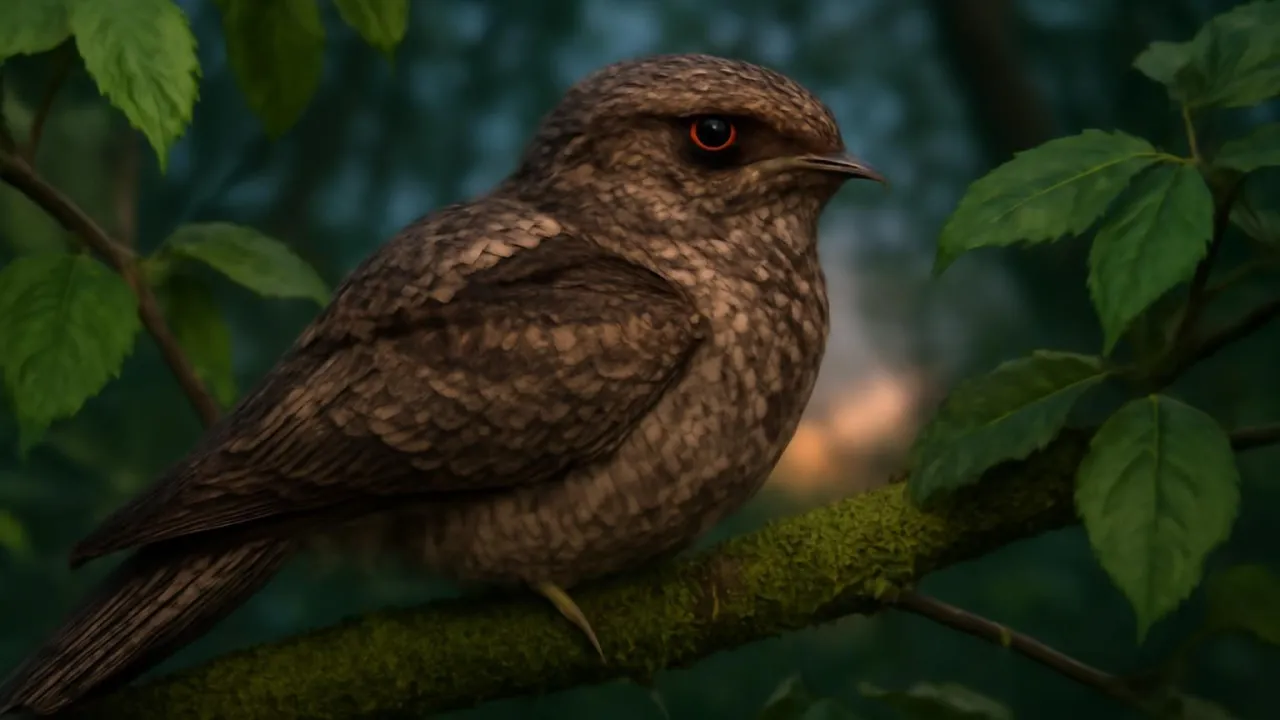
A whip-poor-will’s call has been recorded repeating over 1,000 times in a single night!
1 A Mysterious Nighttime Specialist
The whip-poor-will (Antrostomus vociferus) is a medium-sized bird belonging to the family, commonly known as nightjars. Its unmistakable, repetitive call—"whip-poor-will, whip-poor-will"—can be heard echoing through eastern North American forests from dusk until well after midnight. Unlike most songbirds, whip-poor-wills are crepuscular and nocturnal, meaning they are most active at twilight and during the night. Their haunting song serves as both a territorial warning and a way to attract mates, often repeating hundreds of times without pause. This vocal behavior makes them one of the most recognizable yet rarely seen birds in their range.
2 Remarkable Camouflage and Survival Adaptations
Whip-poor-wills possess intricately patterned brown, gray, and black plumage that allows them to blend seamlessly into leaf litter and bark. This camouflage is a crucial adaptation for avoiding predators such as owls, snakes, and mammals, especially since they nest directly on the ground without building a nest. During daylight hours, whip-poor-wills remain motionless, relying on their cryptic coloration to avoid detection by both predators and curious humans. Their eyes are specially adapted for night vision, containing more rod cells than most diurnal birds, which enables them to see and hunt effectively in low-light conditions.
3 Feeding Habits and Ecological Impact
Whip-poor-wills are insectivores, feeding almost exclusively on flying insects such as moths, beetles, and mosquitoes. They use their wide, gaping mouths and stiff —tiny whisker-like feathers around the beak—to funnel insects into their mouths during aerial pursuit. A single whip-poor-will can consume hundreds of insects in one night, making them valuable allies for natural pest control in forests and agricultural areas. Their feeding activity helps maintain a balanced ecosystem by limiting insect populations and reducing the spread of crop-damaging pests.
4 Life Cycle, Migration, and Conservation
Whip-poor-wills lay two speckled eggs directly on leaf litter, relying on camouflage for protection rather than constructing a nest. Both parents share incubation duties and care for the chicks, which are able to leave the nest area within days of hatching. These birds are migratory, breeding in eastern North America and wintering in Central America, with migration flights occurring primarily at night. Unfortunately, whip-poor-will populations are declining due to habitat loss, pesticide use, and changes in insect availability. Conservation efforts focus on preserving forest habitats, reducing pesticide use, and conducting research to better understand their migration and breeding patterns.
5 Scientific and Cultural Significance
The whip-poor-will’s scientific name, Antrostomus vociferus, means 'cave mouth' and 'loud-voiced,' reflecting its wide gape and strong call. This bird has fascinated scientists and inspired folklore across its range, often being associated with mystery, nighttime, and even omens in different cultures. Whip-poor-wills are closely related to other nightjars, such as the chuck-will’s-widow and the common nighthawk, but can be distinguished by their unique call and smaller size. Ongoing studies use technologies like radio tracking and audio monitoring to learn more about their secretive lives. Protecting whip-poor-wills also helps conserve the rich biodiversity of the forests they inhabit.
1. How do whip-poor-wills help control insect populations in their ecosystem?
2. Which adaptation helps whip-poor-wills avoid predators during the day?