Whip-poor-will
The Night Singer of the Forest
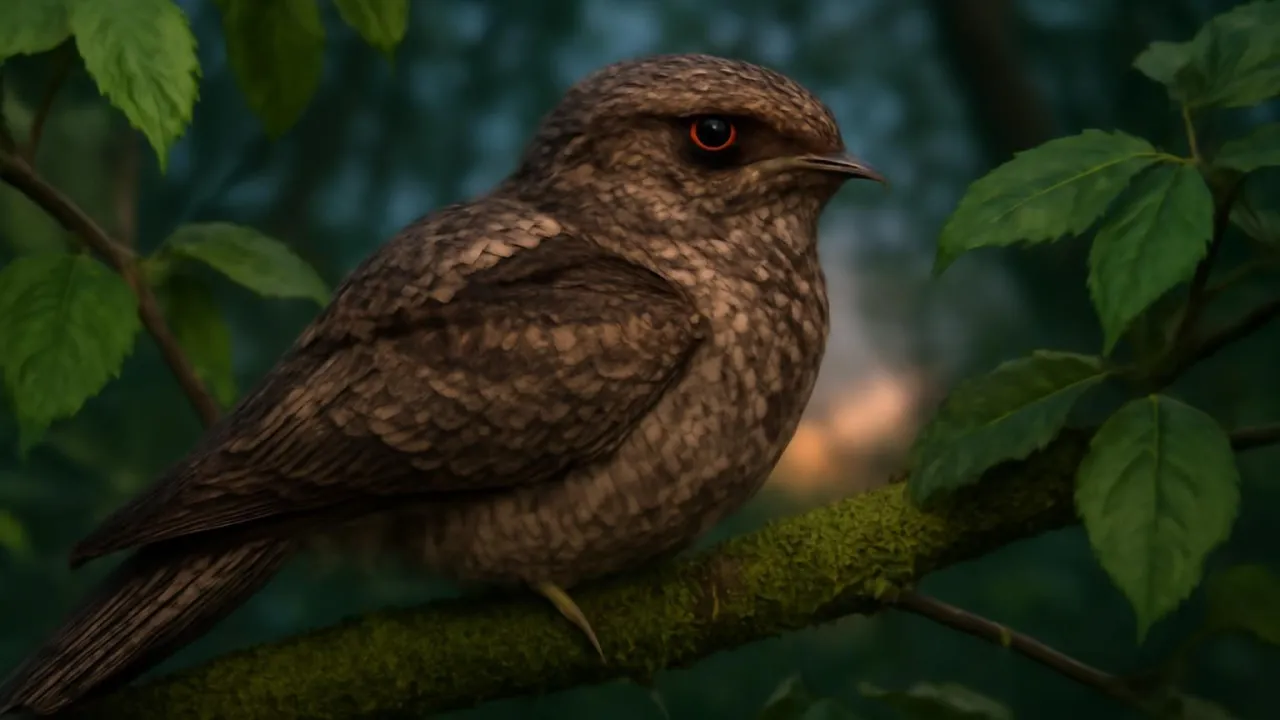
A single whip-poor-will can eat hundreds of insects in one summer night!
1 The Whip-poor-will’s Echoing Call
Few birds are as mysterious as the whip-poor-will, whose haunting song echoes through eastern North American forests at night. Its call, which sounds exactly like its name, can repeat hundreds of times in a row. This unique vocalization helps whip-poor-wills claim territory and attract mates in the darkness, when most birds are silent. Some people find the sound soothing, while others think it’s a little spooky.
2 Masters of Disguise
Whip-poor-wills are experts at camouflage, with feathers patterned in browns, grays, and blacks that look just like dead leaves and bark. This allows them to rest safely on the forest floor or low branches during the day, hidden from predators like foxes, raccoons, and hawks. Their coloring also protects their eggs and chicks, which are laid directly on leaf litter. Without a nest, both parents rely on camouflage to keep their family safe.
3 Nocturnal Insect Control
As nocturnal hunters, whip-poor-wills play an important role in their by eating large numbers of flying insects. Their wide mouths and sensitive whisker-like bristles help them catch moths, beetles, and other bugs in midair. By controlling insect populations, whip-poor-wills help protect forests and crops from pest outbreaks. However, pesticide use and habitat loss have caused their numbers to decline in some areas.
4 Migration and Conservation
Whip-poor-wills breed in eastern North America and migrate to Central America for the winter. They travel at night, using their excellent night vision to navigate. Scientists are working to learn more about their routes and how to protect their habitats. Conservation groups encourage people to preserve forests and reduce pesticide use to help these unique birds survive.
1. How does the whip-poor-will protect its eggs?
2. Why are whip-poor-wills important to forests?