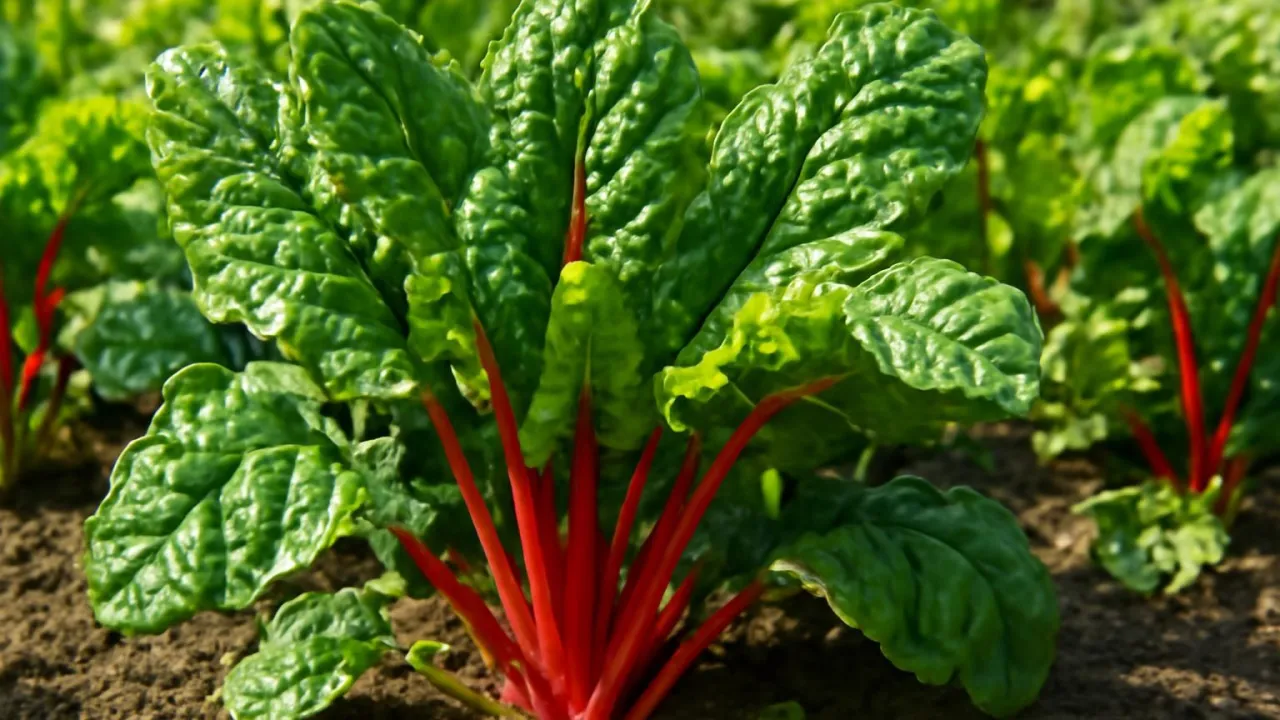
Swiss chard’s colorful stems are packed with vitamins that help your body grow!
✨ Word Sparks (Grade 2 Glossary)
Tap 🔊 to hear
stem
The part that holds up the leaves
vitamin
A healthy thing inside food
garden
A place where plants grow
🪝
Have you ever seen a vegetable with bright colorful stems?
1
Colorful Leaves and Stems
Swiss chard has large leaves with bright that can be red, yellow, or white. These colors make look lively and fun. The leaves are smooth and shiny, and they grow from thick, crunchy stems.
2
Where It Grows and Grows
This vegetable grows best in with plenty of sun and water. Swiss chard is a cool-season plant that grows well in spring or fall. It can grow up to two feet tall when cared for properly.
3
Healthy and Tasty Food
People eat Swiss chard leaves cooked or raw in salads. It tastes fresh and slightly sweet, giving meals a nice flavor. This vegetable is full of that help keep our bodies strong and healthy.
Swiss chard’s colorful stems may help protect it from pests in the garden!
✨ Word Sparks (Grade 3 Glossary)
Tap 🔊 to hear
adaptation
A change that helps plants survive
nutrients
Food plants need to grow strong
pollinator
An insect that helps plants make seeds
🪝
Did you know Swiss chard’s bright colors help it survive in gardens?
1
Bright Colors and Adaptations
Swiss chard has colorful stems that range from red to yellow and white. These bright colors may help protect it from some pests by confusing them. Its large leaves can also shade the soil, helping keep moisture in the ground.
2
Growing in the Right Habitat
Swiss chard grows best in temperate climates with rich soil and plenty of sunlight. It is a cool-season vegetable that thrives in spring and fall. The plant needs regular water to absorb from the soil for healthy growth.
3
Role in the Garden Ecosystem
Swiss chard provides food for humans and some insects. It plays a role in garden food webs by supporting like bees. The plant’s broad leaves also help reduce soil erosion by covering the ground.
4
Healthy and Nutritious Leaves
The leaves of Swiss chard are packed with vitamins like A and C, which help the body stay healthy. Eating Swiss chard supports good nutrition and helps protect against some diseases. Its crunchy stems add texture and flavor to many dishes.
Swiss chard’s colors help protect it and support garden insects like bees.
✨ Word Sparks (Grade 4 Glossary)
Tap 🔊 to hear
ecosystem
A community of plants and animals living together
evaporation
Water turning into vapor and leaving soil
pollinator
An insect that helps plants make seeds
🪝
How do Swiss chard’s bright colors affect its role in nature’s garden?
1
Colorful Stems and Survival
Swiss chard’s vibrant stems, which can be red, yellow, or white, serve as a natural defense against some garden pests by confusing them. This adaptation helps the plant survive longer and produce more leaves for food. The plant’s large, broad leaves also shade the soil, reducing and conserving water.
2
Ecosystem Role and Food Web
Swiss chard plays an important role in garden by providing food for humans and insects like . Bees and other pollinators visit the flowers to collect nectar, which helps the plant reproduce. Additionally, Swiss chard’s leaves help prevent soil erosion by covering the ground and keeping the soil moist.
3
Growing Conditions and Distribution
Swiss chard thrives in temperate regions with rich, well-drained soil and full sun exposure. It grows best in spring and fall when temperatures are cooler. This vegetable is cultivated worldwide, especially in Mediterranean climates where it originated, and is now popular in many home gardens.
4
Human Impact and Uses
Humans cultivate Swiss chard for its nutritious leaves and colorful stems, which add beauty to meals and gardens. Its high vitamin content supports human health, and sustainable growing practices help protect soil health. However, overuse of pesticides can harm beneficial insects that support Swiss chard’s growth.
1. Why do Swiss chard’s colorful stems help it survive?
2. What role do pollinators play with Swiss chard?
🤯 Mind-Blowing Fact • Grade 5
Swiss chard’s colorful stems store water and nutrients, helping it thrive in many gardens worldwide.
✨ Word Sparks (Grade 5 Glossary)
Tap 🔊 to hear
petiole
The stalk that connects leaf to stem
turgor
Water pressure inside plant cells
photosynthesis
How plants use sunlight to make food
🪝
What makes Swiss chard a colorful, nutritious powerhouse in vegetable gardens worldwide?
1
Scientific Classification and Origins
Swiss chard, scientifically named Beta vulgaris subsp. vulgaris, belongs to the Amaranthaceae family. It is native to the Mediterranean region and has been cultivated for thousands of years for both its edible leaves and colorful stems. This subspecies is closely related to beets and spinach, sharing many nutritional qualities.
2
Physiological Adaptations and Growth
Swiss chard’s large, broad leaves maximize by capturing sunlight efficiently, while its thick, colorful store water and nutrients. The plant thrives in temperate climates with full sun and requires consistent moisture to maintain leaf and nutrient transport. Its deep root system allows access to soil nutrients and stabilizes the plant.
3
Nutritional and Culinary Importance
Swiss chard is rich in vitamins A, C, and K, as well as minerals like magnesium and potassium, supporting human health and bone strength. Its leaves and stems are edible, often cooked or eaten raw, providing a slightly sweet and earthy flavor. The colorful stems add visual appeal and texture to dishes worldwide.
4
Conservation and Agricultural Impact
While Swiss chard is widely cultivated, sustainable farming practices are important to prevent soil depletion and protect beneficial insects such as pollinators. Overuse of chemical pesticides can harm these insects, disrupting garden ecosystems. Crop rotation and organic fertilizers help maintain soil health and promote long-term productivity.
5
Quantitative Comparisons and Growth Metrics
Swiss chard plants typically grow between 12 and 24 inches tall, with leaves reaching up to 18 inches in length. It can tolerate temperatures from 50 to 75 degrees Fahrenheit and grows best in well-drained soils with pH levels between 6.0 and 7.0. The stems can weigh up to 100 grams each, making them substantial compared to other leafy greens.