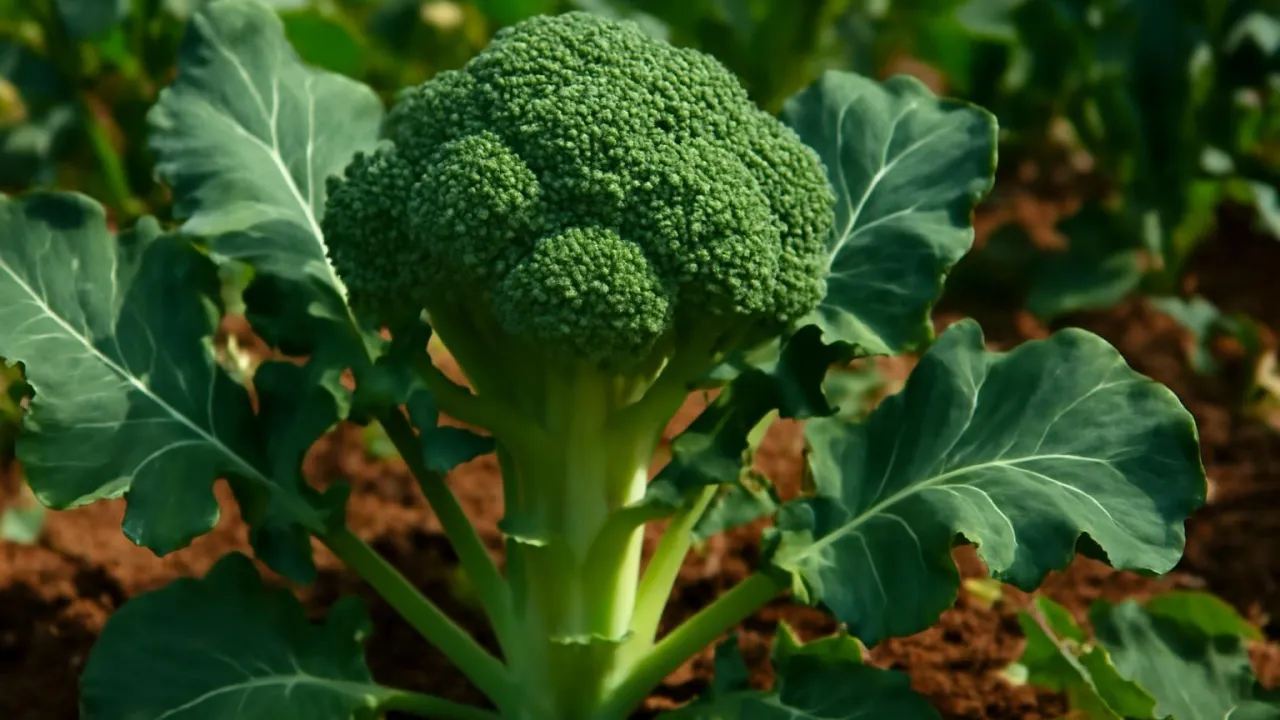
Broccoli is actually a flower that you eat before it blooms!
✨ Word Sparks (Grade 2 Glossary)
Tap 🔊 to hear
buds
Small parts that grow into flowers or leaves.
vitamins
Nutrients that help keep your body healthy.
farmers
People who grow plants and food.
🪝
Have you ever seen a vegetable that looks like a tiny tree?
1
Broccoli’s Green Shape
Broccoli looks like a small green tree with many tiny on top. It is crunchy and tastes fresh when you eat it. People usually cook or eat it raw in salads.
2
Where Broccoli Grows
Broccoli grows best in cool weather and needs plenty of sun and water. It grows in gardens or farms where the soil is rich and moist. pick broccoli when the are tight and green.
3
Broccoli Keeps You Healthy
Broccoli is full of that help your body grow strong and stay healthy. It contains vitamin C and fiber, which help your body fight sickness. Many people enjoy broccoli cooked or raw because it tastes good and is healthy.
2. Why do farmers pick broccoli when buds are tight?
🤯 Mind-Blowing Fact • Grade 3
Broccoli is a flower vegetable harvested before its tiny green flowers open fully.
✨ Word Sparks (Grade 3 Glossary)
Tap 🔊 to hear
camouflage
When something blends in to hide from others.
nutrients
Good things plants and animals need to grow.
harvest
To pick plants when they are ready to eat.
🪝
Did you know broccoli is a vegetable that is actually a flower before it blooms?
1
Broccoli’s Unique Shape
Broccoli looks like a tiny green tree with many small flower buds clustered at the top. These buds are tightly packed and have a rough texture that protects them. This shape helps broccoli survive before it blooms into flowers. The stalk supports the buds and carries to them.
2
How Broccoli Grows
Broccoli grows best in cool climates with moist soil and full sunlight. It starts from seeds and grows leaves and stalks before the flower buds appear. The plant needs water and from soil to grow strong. Farmers broccoli before the buds open to keep them fresh and tasty.
3
Broccoli’s Role in Nature
Broccoli is part of the cabbage family and helps protect itself with a tough outer layer. Its green color helps it blend into garden plants, which is a form of . In gardens, broccoli provides food for insects and animals, playing a role in the ecosystem. It also helps humans by giving important .
4
Why Broccoli Is Healthy
Broccoli contains vitamins like vitamin C and K, which help your body fight illness and heal wounds. It is rich in fiber, which aids digestion and keeps the stomach healthy. Eating broccoli supports the immune system and provides antioxidants that protect cells. This makes broccoli an important vegetable for good health.
2. Why do farmers harvest broccoli before buds open?
🤯 Mind-Blowing Fact • Grade 4
Broccoli’s tight flower buds protect it from pests and weather until harvest time.
✨ Word Sparks (Grade 4 Glossary)
Tap 🔊 to hear
ecosystem
A community of plants and animals living together.
biodiversity
Many different kinds of living things in one place.
harvest
To pick plants when they are ready to eat.
🪝
Have you ever wondered why broccoli looks like tiny green trees in your garden?
1
Broccoli’s Structure and Growth
Broccoli grows as a large green plant with thick stalks and clusters of small flower buds on top that look like tiny trees. These compact buds protect the vegetable from pests and harsh weather, allowing it to survive until . The plant thrives in cool climates with moist, fertile soil and needs full sunlight for healthy growth. Farmers carefully water and tend to broccoli to ensure it grows strong and nutritious.
2
Broccoli in the Ecosystem
Broccoli plays an important role in garden by providing food for insects and animals, which helps maintain balance in nature. Its dense clusters offer shelter for small insects, and some animals eat the leaves and stalks. Broccoli is part of the Brassica family, which includes cabbage and cauliflower, all contributing to . Humans also benefit by cultivating broccoli for food rich in vitamins and fiber.
3
Cause and Effect of Growing Conditions
When broccoli receives enough water and sunlight, it grows large, healthy flower buds that are tasty and nutritious. If the plant does not get enough water or is too hot, the buds may open too soon or become bitter. Proper care during growth affects the vegetable’s flavor and health benefits. This cause-and-effect relationship is important for farmers to understand when growing broccoli.
4
Where Broccoli Grows Worldwide
Broccoli originated in the Mediterranean region but is now grown worldwide in many countries with suitable climates. It grows best in temperate zones where temperatures stay cool during the growing season. Countries like the United States, Italy, and China are top producers of broccoli. This wide geographic distribution shows how people value broccoli as a nutritious vegetable globally.
Broccoli contains more vitamin C per 100 grams than oranges do!
✨ Word Sparks (Grade 5 Glossary)
Tap 🔊 to hear
photosynthesis
How plants use sunlight to make food.
glucosinolates
Natural compounds that may protect against sickness.
cultivar
A plant variety grown by farmers for special traits.
🪝
Did you know broccoli is a flower vegetable that humans have cultivated for thousands of years?
1
Scientific Classification and History
Broccoli belongs to the species Brassica oleracea, within the Italica group, and is closely related to cabbage and cauliflower. It was first cultivated in the Mediterranean region, especially Italy, over 2,000 years ago. Ancient Romans prized broccoli for its flavor and health benefits, spreading its cultivation throughout Europe. Today, broccoli is grown worldwide as a popular vegetable rich in nutrients.
2
Physiology and Growth Mechanics
Broccoli plants develop large, thick stalks that transport water and nutrients from roots to flower buds. The tightly packed green buds are immature flowers that protect reproductive parts until pollination. Broccoli requires cool temperatures between 65 and 75 degrees Fahrenheit for optimal growth and develops best in well-drained, fertile soil with consistent moisture. Its process converts sunlight into energy to fuel growth.
3
Nutritional and Health Importance
Broccoli is an excellent source of vitamins C, K, and A, as well as fiber and antioxidants that support immune health and reduce inflammation. It contains , compounds that may help protect against certain cancers. Regular consumption of broccoli contributes to improved digestion, stronger bones, and better heart health. Its dense nutrient profile makes it a valuable vegetable in balanced diets worldwide.
4
Conservation and Agricultural Impact
Broccoli cultivation requires sustainable farming practices to maintain soil health and reduce pesticide use, preserving biodiversity in agricultural ecosystems. Crop rotation and organic fertilizers help prevent soil depletion and pest outbreaks. Increasing consumer demand has led to innovations in broccoli varieties with better disease resistance and climate adaptability. These efforts support global food security and environmental conservation.
5
Quantitative Comparisons and Facts
An average broccoli head weighs about one pound or 450 grams and can grow up to 24 inches tall. It grows best in temperatures ranging from 60 to 70 degrees Fahrenheit, with growth slowing above 75 degrees. Broccoli’s vitamin C content is about 89 milligrams per 100 grams, which is more than an orange. Its fiber content helps regulate digestion, with about 2.6 grams per 100 grams serving.