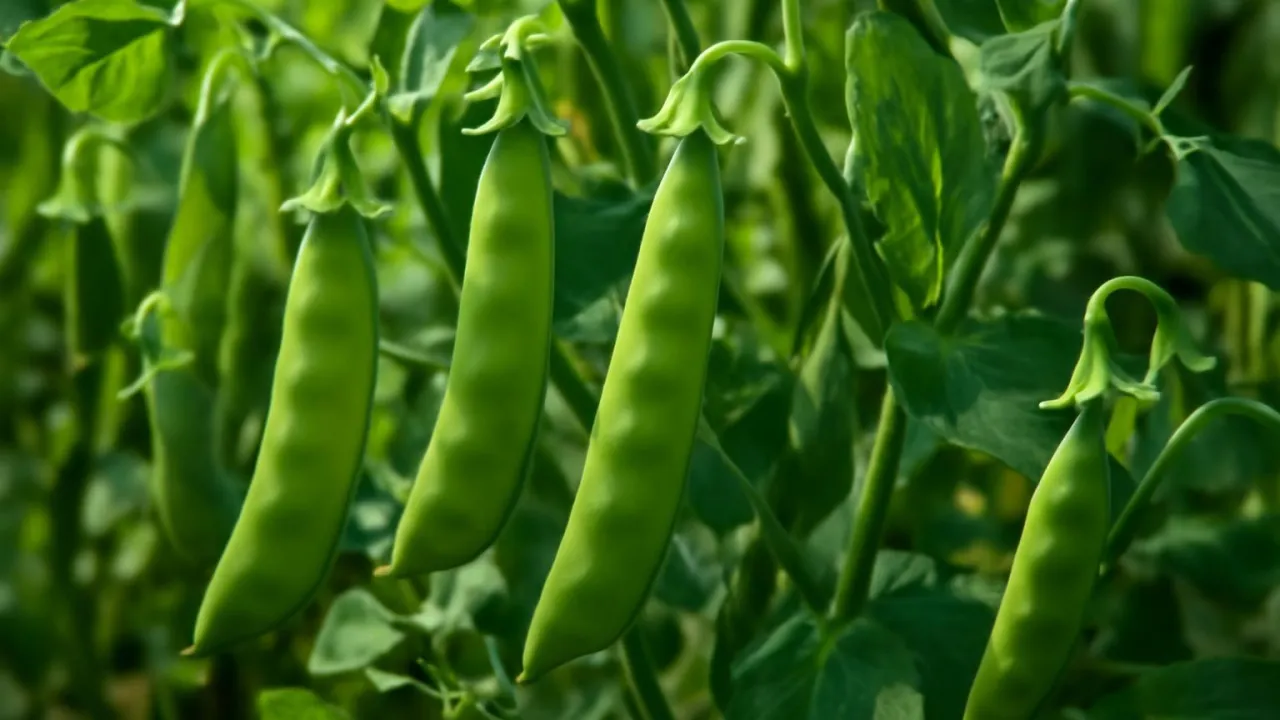
Sugar snap peas are unique because you eat their crunchy pods and sweet peas together!
✨ Word Sparks (Grade 2 Glossary)
Tap 🔊 to hear
pod
The green shell that holds peas inside
vine
A plant stem that climbs or grows upward
sunlight
Light from the sun plants need to grow
🪝
Have you ever snapped open a sweet, crunchy pea pod?
1
Sweet and Crunchy Snack
Sugar snap peas have you can eat whole and they taste sweet and crunchy. People enjoy eating them fresh or cooked. They make a healthy snack for kids and adults alike.
2
Growing on Climbing Vines
These peas grow on that climb up supports like sticks or trellises in gardens. They need plenty of and water to grow strong and healthy. The vines can reach up to six feet tall.
3
Pods Protect the Peas
The protect the small peas inside as they grow. The pods are thick and crunchy, which helps keep the peas fresh. When the peas are ready, you can snap the pods open to eat them.
Sugar snap peas fix nitrogen in soil, helping other plants grow better nearby!
✨ Word Sparks (Grade 3 Glossary)
Tap 🔊 to hear
adaptation
A change that helps a plant or animal survive
pollination
When pollen moves to help plants make seeds
tendrils
Thin plant parts that wrap around things to climb
🪝
Did you know sugar snap peas have pods you can eat whole like a crunchy snack?
1
Crunchy Edible Pods
Sugar snap peas have thick pods that you can eat whole, making them a tasty snack. The pods are sweet and crunchy, unlike many other peas that have tough shells. This helps protect the peas inside while allowing animals to spread seeds.
2
Climbing Vines and Growth
These peas grow on climbing vines that can reach up to six feet tall in temperate gardens. The vines use to wrap around supports, helping the plant stay upright and reach sunlight. This climbing ability is an important for survival.
3
Role in Pollination and Ecosystem
Sugar snap peas produce flowers that attract pollinators like bees, which help fertilize the plants. allows the peas to develop inside the pods. The plant also adds nutrients to the soil by fixing nitrogen, which benefits other plants nearby.
4
Protective Pods and Nutrition
The thick pods protect the peas from predators and harsh weather. Inside, the peas provide protein and fiber, making sugar snap peas nutritious for humans and animals. Their crunchy texture is a delicious that encourages eating and seed dispersal.
1. How do sugar snap peas climb to reach sunlight?
2. Why are the pods thick and crunchy?
🤯 Mind-Blowing Fact • Grade 4
Sugar snap peas help soil by adding nitrogen, making gardens healthier naturally!
✨ Word Sparks (Grade 4 Glossary)
Tap 🔊 to hear
symbiosis
A helpful relationship between two living things
nitrogen-fixing
Turning air nitrogen into plant food in soil
biodiversity
Many different plants and animals living together
🪝
What makes sugar snap peas both a tasty snack and a helpful garden plant?
1
Edible Pods and Plant Adaptations
Sugar snap peas have edible pods that are thick and crunchy, which is unusual for peas. This adaptation allows animals and humans to eat the whole pod, aiding seed dispersal. The plant’s climbing vines use tendrils to grasp supports, helping them reach sunlight in crowded gardens.
2
Role in Ecosystems and Soil Health
As a legume, sugar snap peas have a symbiotic relationship with bacteria in their roots. This process enriches soil nitrogen, improving fertility for other plants in the ecosystem. Their flowers attract pollinators like bees, which are essential for pea pod development and .
3
Growth Conditions and Geographic Range
Sugar snap peas thrive in temperate regions with full sun and moderate water. They grow best in well-drained soils during cooler seasons. Originally from Asia, they are now widely cultivated worldwide in home gardens and farms, contributing to human nutrition and agriculture.
4
Human Uses and Agricultural Impact
Farmers and gardeners grow sugar snap peas for their sweet flavor and crunchy texture, which make them popular fresh or cooked. Their ability to improve soil health reduces the need for chemical fertilizers, supporting sustainable farming practices. This vegetable also plays a role in local food webs by feeding insects and animals.
Sugar snap peas fix nitrogen in soil, reducing fertilizer use and supporting sustainable farming worldwide.
✨ Word Sparks (Grade 5 Glossary)
Tap 🔊 to hear
Rhizobium
Bacteria that help plants get nitrogen from air
stomata
Tiny holes on leaves for air and water exchange
photosynthesis
How plants make food using sunlight and air
🪝
How do sugar snap peas combine unique biology and ecological benefits in gardens worldwide?
1
Scientific Classification and Botanical Traits
Sugar snap peas belong to the species Pisum sativum var. macrocarpon, a variety of garden pea. Unlike common peas, their pods are thick, edible, and sweet, making them a botanical fruit rather than just a vegetable. This edible pod trait is an important evolutionary adaptation for seed dispersal and human consumption.
2
Physiological Mechanics of Growth and Climbing
The plant grows climbing vines up to six feet tall, using specialized tendrils that coil tightly around supports for stability. occurs in the leaves, producing energy needed for pod and pea development. The pods protect developing seeds while allowing for gas exchange through tiny on their surface.
3
Nitrogen Fixation and Soil Enrichment
Sugar snap peas form symbiotic relationships with bacteria in root nodules that convert atmospheric nitrogen into ammonia. This nitrogen fixation enriches soil fertility, reducing the need for synthetic fertilizers and promoting sustainable agriculture. This process benefits surrounding plants and overall ecosystem health by increasing nitrogen availability.
4
Conservation, Cultivation, and Historical Use
Originally cultivated in Asia, sugar snap peas have spread globally due to their culinary and agricultural value. They require temperate climates with well-drained soil and moderate water. Conservation efforts focus on preserving heirloom varieties and promoting organic farming to maintain genetic diversity and environmental health.
5
Quantitative Comparisons and Nutritional Value
Sugar snap pea pods typically measure 2 to 3 inches (5 to 7.5 centimeters) long and weigh about 0.3 ounces (8 grams) each. They grow best at temperatures between 55 and 75 degrees Fahrenheit (13 to 24 degrees Celsius). Nutritionally, they provide protein, fiber, vitamin C, and antioxidants, supporting healthy diets worldwide and contributing to balanced nutrition.