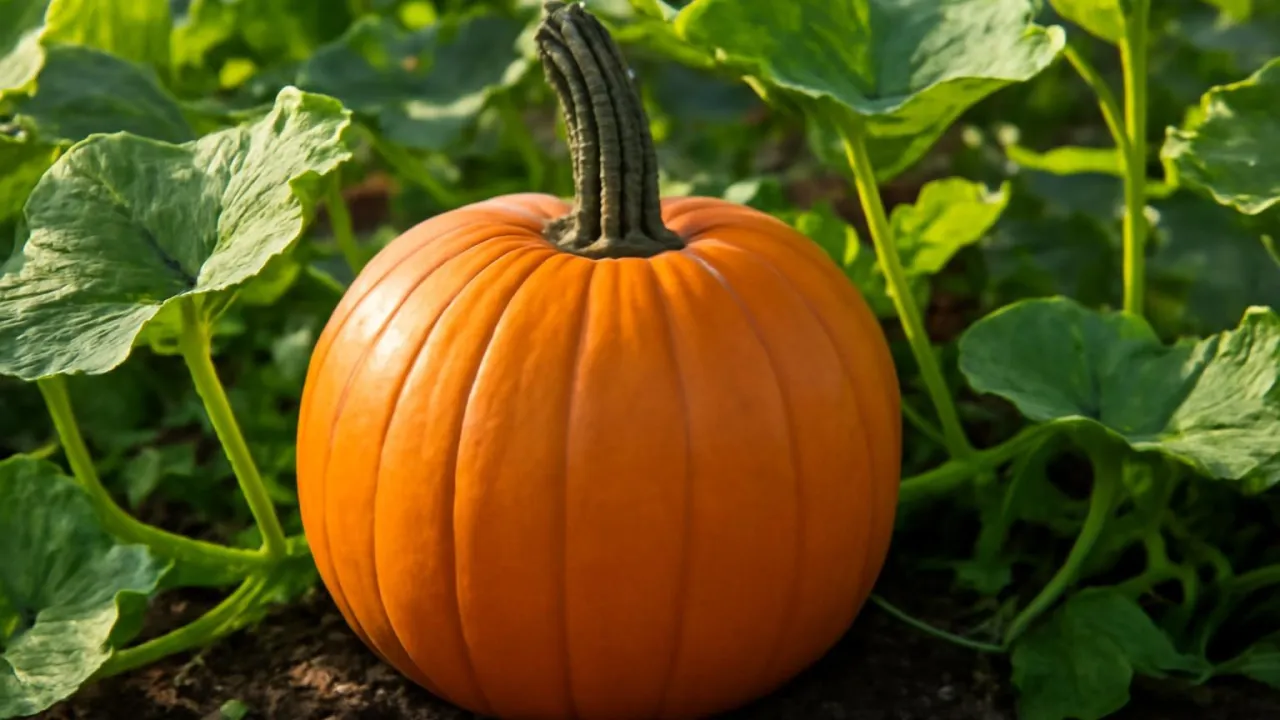
Sugar Pie Pumpkins have a thicker skin than many pumpkin types!
✨ Word Sparks (Grade 2 Glossary)
Tap 🔊 to hear
vine
A plant stem that grows along the ground
ripe
Ready to eat or use because it is fully grown
baking
Cooking food in an oven like making a pie
🪝
Have you ever tasted a pumpkin that is sweet and soft inside?
1
What Does It Look Like?
Sugar Pie Pumpkins are small and round with bright orange skin. They grow on long green in gardens. These pumpkins have smooth skin and a thick stem on top.
2
Where Does It Grow?
This pumpkin grows best in warm places with lots of sunlight. Farmers plant seeds in the spring and water them every day. The pumpkins take about three months to grow big and .
3
Why Is It Special?
Sugar Pie Pumpkins have sweet, soft flesh that is perfect for . People use them to make delicious pumpkin pies during fall holidays. Their sweetness is much better than regular big pumpkins.
1. What season do farmers plant Sugar Pie Pumpkin seeds?
2. What makes Sugar Pie Pumpkin good for pies?
🤯 Mind-Blowing Fact • Grade 3
Sugar Pie Pumpkins have sweeter flesh than many other pumpkin types!
✨ Word Sparks (Grade 3 Glossary)
Tap 🔊 to hear
pollination
When bees help flowers make seeds
nutrients
Food plants need to grow strong
adaptation
A change that helps plants survive better
🪝
Did you know Sugar Pie Pumpkins have a special sweet taste perfect for pies?
1
Appearance and Growth
Sugar Pie Pumpkins are small, round, and bright orange with smooth skin. They grow on long vines that spread across the ground. These pumpkins mature in about three months during warm weather. Their thick stems help hold them firmly on the vine.
2
Habitat and Life Cycle
These pumpkins thrive in warm, sunny gardens with rich soil and regular watering. Farmers plant seeds in spring, and the pumpkins grow through summer into fall. by bees helps flowers turn into pumpkins. Once ripe, the pumpkins are harvested for food.
3
Sweetness and Adaptations
Sugar Pie Pumpkins have thick, sweet flesh that stores and water well. This helps the pumpkin survive dry spells and keeps it tasty. Their bright orange color attracts animals that help spread seeds. The sweet taste makes them popular for baking pies.
4
Role in Nature
These pumpkins provide food for animals like squirrels and birds during fall. They also support pollinators by offering nectar in their flowers. Humans grow Sugar Pie Pumpkins for food and tradition. Their growth helps maintain healthy garden ecosystems.
Sugar Pie Pumpkins support both pollinators and wildlife in their ecosystems!
✨ Word Sparks (Grade 4 Glossary)
Tap 🔊 to hear
symbiotic
A helpful relationship between two living things
crop rotation
Changing plants in a field to keep soil healthy
biodiversity
Many different kinds of plants and animals living together
🪝
How does the Sugar Pie Pumpkin’s sweetness affect its role in gardens and food?
1
Physical Features and Growth Cycle
Sugar Pie Pumpkins have smooth, bright orange skin and grow on sprawling vines in warm climates. Their growth cycle lasts about three months, starting from seed planting in spring to harvest in fall. The thick flesh inside stores sugars that develop as the pumpkin ripens. This sweetness results from the plant’s adaptation to attract animals and humans.
2
Ecosystem Role and Pollination
The pumpkin flowers rely on bees and other pollinators for fertilization, which causes fruit development. These pollinators benefit from the nectar, creating a relationship. Once mature, the pumpkins serve as food for wildlife like squirrels and birds, helping spread seeds. This role supports local food webs and in garden ecosystems.
3
Human Uses and Agricultural Impact
Humans cultivate Sugar Pie Pumpkins primarily for their sweet flesh, ideal for baking pies and desserts. Their smaller size compared to large carving pumpkins makes them easier to cook. Farming practices impact soil health, so and organic methods help maintain sustainable pumpkin growth. The pumpkin’s popularity influences local economies and seasonal traditions.
4
Geographic Distribution and Climate Needs
Sugar Pie Pumpkins are native to North America and thrive in temperate zones with warm summers. They require full sun exposure and consistent watering for optimal growth. Cold or wet conditions can stunt development or cause rot. Gardeners must monitor weather to protect pumpkins during vulnerable growth stages.
2. How do Sugar Pie Pumpkins help local ecosystems?
🤯 Mind-Blowing Fact • Grade 5
Sugar Pie Pumpkins contain high beta-carotene, which helps keep eyes healthy!
✨ Word Sparks (Grade 5 Glossary)
Tap 🔊 to hear
cultivar
A plant variety made by people for special traits
photosynthesis
How plants use sunlight to make food
beta-carotene
A nutrient that helps eyes and skin stay healthy
🪝
Can you imagine a pumpkin bred just for its sweet, soft flesh perfect for pies?
1
Taxonomy and Botanical Characteristics
Sugar Pie Pumpkin belongs to the Cucurbita pepo species, which includes many squash varieties. This is prized for its compact size and vibrant orange rind. Unlike large carving pumpkins, it has dense, sweet flesh ideal for cooking. Its botanical traits make it a favorite among gourds used for food and decoration.
2
Physiological Adaptations and Growth
The pumpkin grows on trailing vines that spread to capture sunlight efficiently in warm climates. Its thick rind protects against pests and dehydration during maturation. Inside, natural sugars accumulate through and nutrient transport, enhancing sweetness. Growth typically takes 90 to 110 days, depending on soil and weather.
3
Conservation and Agricultural History
Native Americans first cultivated pumpkins for food and storage thousands of years ago. The Sugar Pie variety was selectively bred to improve sweetness and texture for baking needs. Modern farming emphasizes sustainable soil care to maintain healthy pumpkin crops. Preserving heirloom seeds helps protect genetic diversity within Cucurbita pepo.
4
Quantitative Comparisons and Environmental Needs
Sugar Pie Pumpkins usually weigh between 5 and 10 pounds, much smaller than giant pumpkins over 50 pounds. They thrive at temperatures from 70 to 85 degrees Fahrenheit with steady moisture. Consistent watering during flowering and fruiting stages is crucial to prevent stress and rot. These conditions ensure the best flavor and yield.
5
Culinary Importance and Nutritional Value
High in , Sugar Pie Pumpkins provide vitamin A, which supports vision and immunity. Their natural sweetness reduces the need for added sugars in recipes. They are key ingredients in traditional autumn dishes like pies, soups, and breads. This pumpkin’s flavor and nutrients make it a valuable crop worldwide.