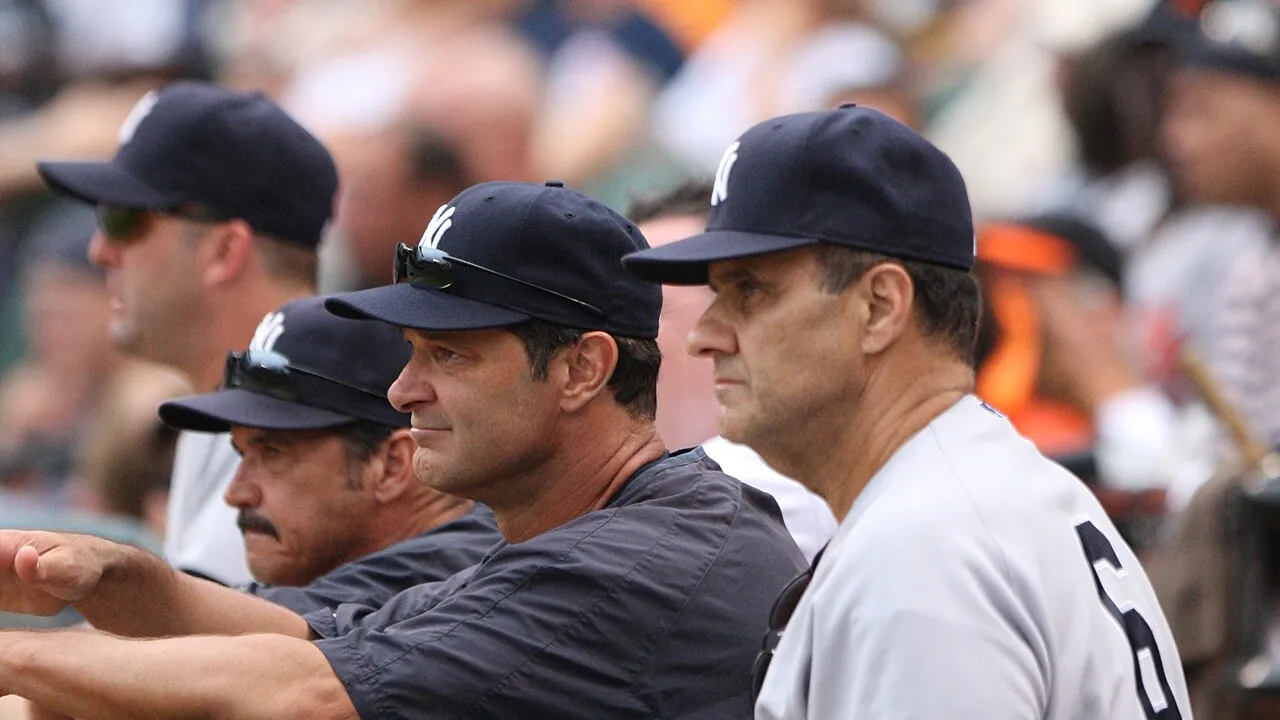
1. What do sports coaches set up to help players practice skills?
2. Besides sports skills, what important habit does a coach teach?
🤯 Mind-Blowing Fact • Grade 2
Youth sports coaches across the United States guide more than 45 million kids in team and individual sports every year!
✨ Word Sparks (Grade 2 Glossary)
Tap 🔊 to hear
clipboard
A stiff board that holds practice notes
sideline
The boundary line along a playing field
sportsmanship
Playing fairly and treating opponents with respect
🪝
How does a group of players turn into a smooth, unstoppable team?
1
Planning Before Practice
Long before players tie their sneakers, a sports coach is hard at work. Sitting with a and marker, the coach plans warm-ups and passing games so every minute on the field helps athletes improve.
2
Teaching Smart Moves
During practice, coaches watch closely and give helpful tips. They show swimmers how to glide smoothly or teach basketball players how to bounce the ball low. Step by step, tricky moves start feeling easy.
3
Cheering Through Ups and Downs
On game day, coaches guide players from the and call smart plays. Win or lose, they teach good , reminding athletes to shake hands, stay brave after mistakes, and always keep trying their very best.
1. What does a sports coach do before practice even begins?
2. What does good sportsmanship look like after a tough game?
🤯 Mind-Blowing Fact • Grade 3
Legendary basketball coach Pat Summitt won 1,098 college games while making sure 100 percent of her players who completed eligibility graduated!
✨ Word Sparks (Grade 3 Glossary)
Tap 🔊 to hear
strategy
A smart plan created to reach goals
resilience
Bouncing back bravely after a tough challenge
dynamic
Full of active movement and steady energy
🪝
Why do even the fastest Olympic champions still rely on a sports coach every day?
1
Eyes That Spot Tiny Details
Swish! A basketball arcs toward the hoop and bounces off the rim. From the court's edge, a sports coach notices that the shooter's elbow drifted outward by just an inch. Even top athletes cannot watch their own form easily, so coaches act as trusted mirrors who spot small habits and unlock big improvements.
2
Designing a Game Strategy
Coaching takes both athletic skill and sharp problem-solving. Coaches study how a sport works and create a , or game plan, that matches their team's strengths. They assign positions, draw clear diagrams on dry-erase boards, and practice teamwork until every player knows exactly where to move.
3
Keeping Athletes Safe and Strong
Safety always comes first on a field, track, or pool deck. Coaches lead warm-up stretches, make sure athletes drink plenty of cool water during breaks, and check that helmets, shin guards, and pads fit properly before anyone competes.
4
Coaching Across the Community
You can find dedicated coaches in neighborhood parks, school gyms, college stadiums, and Olympic training centers. Wherever they work, coaches build confidence, , and lifelong healthy habits that stay with players long after the season ends.
1. Why do even champion athletes need a coach watching their form?
2. How does a sports coach protect player safety during practice?
🤯 Mind-Blowing Fact • Grade 4
High-speed motion-capture cameras used by Olympic track and swim coaches record up to 500 frames per second to measure every split-second angle!
✨ Word Sparks (Grade 4 Glossary)
Tap 🔊 to hear
biomechanics
Science of how living bodies move efficiently
conditioning
Training exercises that build strength and stamina
mentor
A trusted guide who helps others grow
🪝
How do modern sports coaches blend science, psychology, and strategy to bring out an athlete's best?
1
Huddle Under the Stadium Lights
With thirty seconds left on the clock and the score tied, five sweaty basketball players gather tightly around the bench. Calmly, their sports coach kneels with a dry-erase board, sketches a crisp diagonal passing lane, and reminds everyone to breathe deeply and trust their teammates. That steady leadership turns nervous energy into focused, confident teamwork when every second counts.
2
The Science of Practice and Motion
Great coaching relies on much more than loud sideline cheering. Modern coaches study —how muscles, bones, and joints work together like levers—along with exercise physiology and nutrition. By organizing each season into balanced phases of , agility drills, skill repetition, and active rest, they help athletes gain speed and endurance without wearing out growing bodies.
3
Film Study and Real-Time Decisions
Between games, high school, college, and professional coaches review high-definition video recordings on tablets to analyze footwork, defensive spacing, and passing timing. When an opposing team changes tactics mid-game, an observant coach adjusts formations on the fly, matching each athlete's unique strengths to the challenge on the field.
4
Mentors in Character and Community
Responsible coaches also train in first aid, CPR, heat-safety rules, and concussion awareness so they can respond swiftly if someone gets hurt. Above all, they serve as caring community who teach goal setting, time management, perseverance, and mutual respect—skills that help young people succeed in school classrooms and future careers.
1. How does studying biomechanics help a sports coach train athletes?
2. Why do coaches schedule rest periods alongside conditioning and drills?
🤯 Mind-Blowing Fact • Grade 5
John Wooden, famed UCLA basketball coach, spent two hours every afternoon with his assistants planning a single two-hour practice down to the exact minute!
✨ Word Sparks (Grade 5 Glossary)
Tap 🔊 to hear
periodization
Dividing yearly training into planned fitness phases
kinesiology
Scientific study of human body movement
cohesive
United closely and working smoothly together
🪝
What transforms a knowledgeable former player into a master sports coach capable of uniting dozens of different personalities?
1
Dawn on the Practice Track
Cool morning mist still hovers above the rubberized 400-meter oval when a track-and-field coach clicks a digital stopwatch to life. Each runner crossing the white finish line brings a different stride length, muscle-fiber ratio, recovery rate, and competitive temperament. Turning those distinct individuals into a championship relay squad requires equal parts exercise physiology, data analysis, clear communication, and human empathy.
2
Periodization and Sports Science
At advanced collegiate and Olympic levels, coaches structure training through a scientific method called , dividing an entire calendar year into foundational preseason conditioning, sport-specific strength blocks, peak competition cycles, and active recovery. Working alongside athletic trainers and strength specialists, they monitor heart-rate zones, sprint splits measured to hundredths of a second, sleep habits, and hydration levels so athletes reach peak power precisely when championship tournaments arrive.
3
Teaching Motor Learning and Feedback
Performing an athletic skill yourself is surprisingly different from teaching someone else to master it. Effective coaches study motor learning—how the human brain and nervous system wire smooth movement patterns through deliberate practice and clear external cues. Instead of overwhelming a swimmer or gymnast with ten technical corrections at once, a skilled coach offers one actionable adjustment, demonstrates the rhythm, and celebrates measurable progress.
4
Sports Psychology Under Pressure
Tight championship moments test mental composure every bit as much as physical stamina. Great coaches teach mental rehearsal, controlled box-breathing, and growth-mindset habits that frame mistakes as useful data rather than personal failures. Equally important, they cultivate inclusive locker-room cultures where experienced captains encourage newcomers and every role—from high-scoring starter to dedicated practice partner—earns genuine respect.
5
Pathways into the Coaching Profession
Many career sports coaches earn bachelor's or master's degrees in , physical education, exercise science, or sports management, paired with national safety certifications in cardiopulmonary resuscitation (CPR), heat-acclimatization guidelines, and concussion protocols. Whether volunteering for a neighborhood youth soccer league in Virginia or leading a national Olympic roster, coaches leave lasting imprints on community health, character, and leadership.