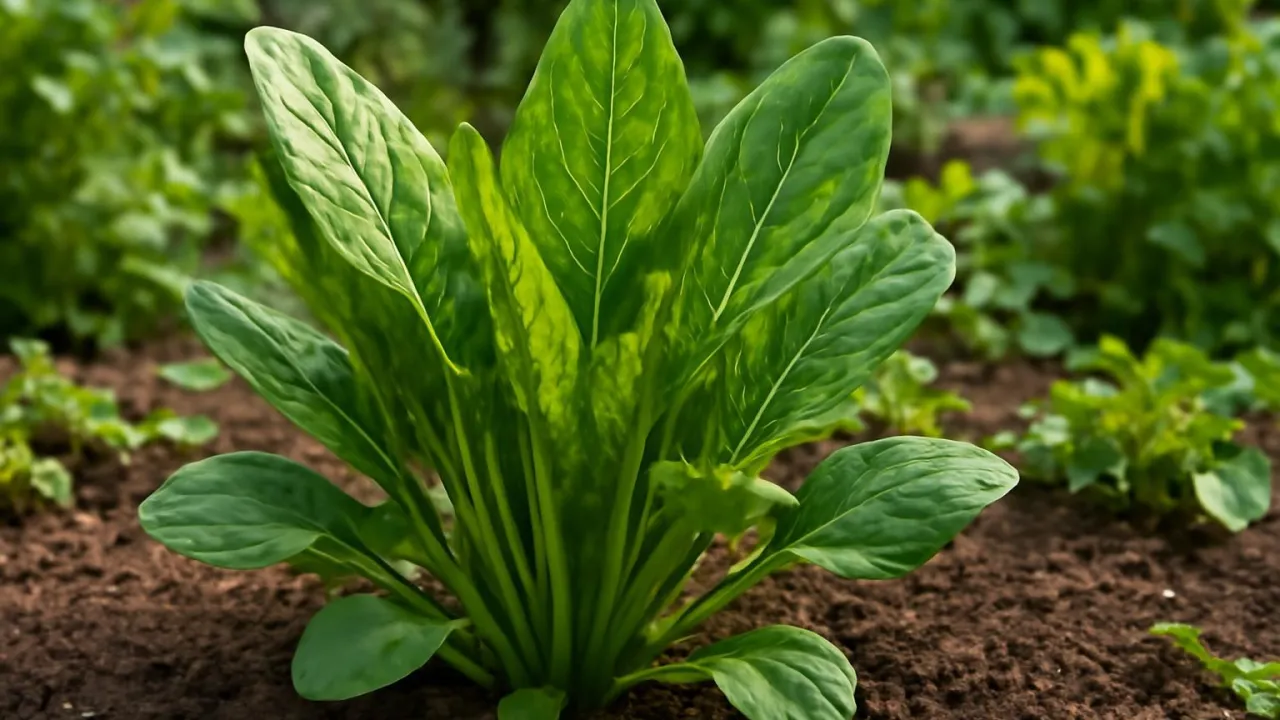
Sorrel leaves get their sour taste from natural acids called oxalic acid.
✨ Word Sparks (Grade 2 Glossary)
Tap 🔊 to hear
acid
A sour part inside some plants and foods
stem
The part of a plant that holds leaves up
moist
A little wet or damp, not dry
🪝
Have you ever tasted a leaf that is both green and sour?
1
Sorrel’s Leafy Flavor
Sorrel leaves are bright green and have a sharp sour taste. They grow pointy and soft on tall . People often add sorrel to salads or soups for a tangy flavor.
2
Where Sorrel Lives
Sorrel grows in gardens and wild fields in cool places. It needs plenty of sunlight and soil to grow well. Many insects and birds find shelter near sorrel plants.
3
How Sorrel Grows
Sorrel starts as a small seed that grows into a leafy plant. It drinks water from the soil and uses sunlight for energy. The plant can grow up to three feet tall in good conditions.
Oxalic acid in sorrel leaves helps protect the plant from many hungry animals.
✨ Word Sparks (Grade 3 Glossary)
Tap 🔊 to hear
oxalic acid
A sour chemical in some plants
adaptation
A trait that helps a plant survive
photosynthesis
How plants use sunlight to make food
🪝
Did you know sorrel’s sour taste helps protect it from hungry animals?
1
Sorrel’s Sour Leaves
Sorrel leaves contain , which gives them a sharp, tangy flavor. This acid acts as a natural defense to keep many animals from eating the plant. The leaves are broad and have a pointed shape that helps catch sunlight.
2
Growing in Cool Places
Sorrel grows best in temperate climates with moist, well-drained soil and plenty of sunlight. It is often found in meadows, gardens, and near streams where water is abundant. The plant’s roots absorb nutrients and water to help it grow tall.
3
How Sorrel Survives
The sour taste of sorrel is an that helps protect it from predators like deer and rabbits. This natural chemical defense reduces the chance of being eaten. Sorrel also uses broad leaves to capture sunlight for .
4
People Use Sorrel
Humans use sorrel leaves in cooking because of their unique sour flavor. They add it to salads, soups, and sauces to create tangy dishes. Sorrel is also rich in vitamins, making it a healthy addition to meals.
1. Why does sorrel have oxalic acid in its leaves?
2. What do sorrel leaves use sunlight for?
🤯 Mind-Blowing Fact • Grade 4
Sorrel’s sour leaves help shape food webs by deterring many animals from eating it, influencing ecosystem balance.
✨ Word Sparks (Grade 4 Glossary)
Tap 🔊 to hear
herbivore
An animal that eats plants only
symbiotic
A helpful relationship between living things
erosion
When soil is worn away by wind or water
🪝
How does sorrel’s sour taste affect its place in nature’s food web?
1
Sorrel’s Chemical Defense
Sorrel produces oxalic acid in its leaves, which causes a sour taste that deters many from eating it. This chemical defense helps sorrel survive in ecosystems where animals might otherwise graze heavily. The sourness is a key adaptation that reduces predation pressure and helps the plant thrive.
2
Role in Ecosystems
Sorrel serves as a food source for some insects that tolerate its acids, creating a relationship that benefits both species. It also contributes to soil health by preventing with its strong root system. Sorrel’s presence supports biodiversity by offering shelter and nutrients to various small organisms.
3
Geographic Range and Growth
Native to temperate regions of Europe and Asia, sorrel thrives in moist, sunny habitats such as meadows and riverbanks. Human cultivation has spread sorrel worldwide, especially in kitchen gardens and farms. It grows best in well-drained soils with consistent moisture and moderate temperatures throughout the growing season.
4
Human Uses and Impact
People harvest sorrel for its tangy leaves used in cooking and traditional medicine around the world. Overharvesting in wild areas can reduce local populations, but cultivation helps maintain supply and genetic diversity. Sorrel’s popularity in agriculture highlights its importance as a flavorful and nutritious vegetable in many cuisines.
1. Why do many animals avoid eating sorrel leaves?
2. How does sorrel help soil in its habitat?
🤯 Mind-Blowing Fact • Grade 5
Sorrel’s oxalic acid content can be up to 1.5% of its leaf dry weight, making it uniquely sour among leafy greens.
✨ Word Sparks (Grade 5 Glossary)
Tap 🔊 to hear
perennial
A plant that lives for many years
herbivory
When animals eat plants for food
rhizome
A root that grows underground and spreads
🪝
What unique chemical and ecological roles does sorrel play in its environments worldwide?
1
Taxonomy and Botanical Features
Sorrel, scientifically named Rumex acetosa, belongs to the Polygonaceae family and is a herbaceous plant. It features broad, lance-shaped leaves rich in oxalic acid, which gives the plant its distinctive sour flavor. This species reproduces through seeds and can spread via underground. Sorrel’s botanical classification helps scientists understand its relationships to other edible leafy greens.
2
Physiological Adaptations and Mechanics
Sorrel’s leaves contain high concentrations of oxalic acid, which acts as a chemical defense against by making the leaves unpalatable to many animals. The plant uses broad leaves to maximize photosynthesis efficiency in temperate climates. Its root system stabilizes soil and absorbs nutrients effectively in moist, well-drained environments. Sorrel’s growth cycle includes flowering in late spring, producing clusters of small reddish flowers.
3
Ecological Role and Conservation
In natural ecosystems, sorrel contributes to biodiversity by providing food and habitat for specialized insects that tolerate its acids. Its chemical defenses influence herbivore feeding patterns, thus shaping local food webs. While sorrel is widespread and not currently endangered, habitat loss and overharvesting in some regions threaten wild populations. Sustainable cultivation practices help conserve genetic diversity and maintain ecological balance.
4
Historical and Cultural Uses
Humans have used sorrel for centuries in culinary and medicinal contexts, appreciating its tangy flavor and vitamin-rich leaves. Traditional recipes from Europe and Asia often include sorrel in soups, sauces, and salads. Historical herbal medicine utilized sorrel for its mild diuretic and digestive properties. Today, sorrel remains popular in many cultures for its unique taste and nutritional benefits.
5
Quantitative Comparisons and Growth Data
Sorrel typically grows between 12 and 36 inches tall, with leaf lengths ranging from 2 to 6 inches. It thrives in temperatures between 60 and 75 degrees Fahrenheit and requires consistent soil moisture. The oxalic acid content varies but can reach up to 1.5% of leaf dry weight, which is significantly higher than many other leafy greens. Sorrel’s growth rate allows it to mature within 40 to 60 days under optimal garden conditions.