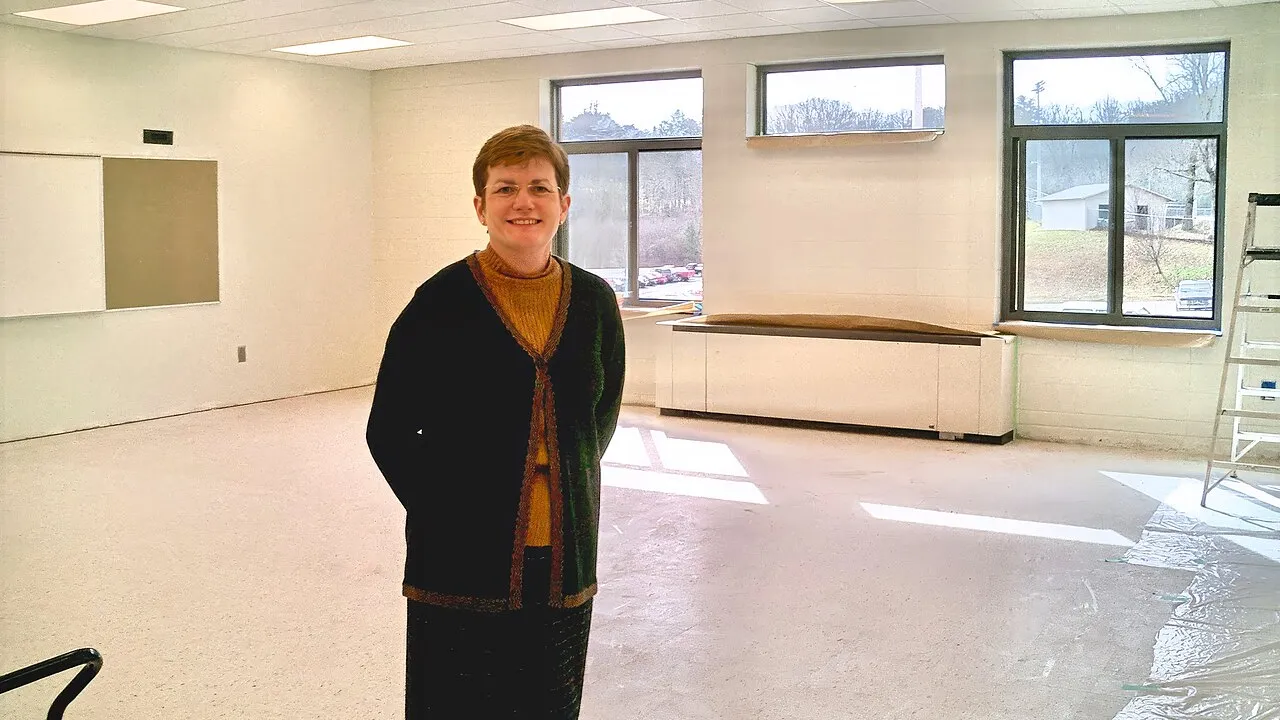
1. Where can you often spot a school principal first thing in the morning?
2. Who does a school principal help during the day?
🤯 Mind-Blowing Fact • Grade 2
The word principal comes from an old Latin word meaning 'first'—because long ago, this person was called the 'principal teacher' of the school!
✨ Word Sparks (Grade 2 Glossary)
Tap 🔊 to hear
announcement
Important news shared with a whole group
coach
To guide people so their skills improve
community
People working and living together with care
🪝
If a school were a big ship, who would steer the crew through every busy day?
1
Captain of the School
Every morning, chime over the speaker with a cheerful voice wishing everyone a great day! Behind that microphone stands the school principal, who guides hundreds of students and dozens of adults.
2
Coaching Great Teachers
Most principals started their careers as classroom teachers first. Today, they pop into lessons to watch kids solve math puzzles, read stories aloud, and share helpful coaching tips with teachers.
3
Solving Big Puzzles
From planning fire drills and ordering new library books to hosting family science nights, principals keep every part of the building running smoothly.
1. What job did almost every school principal have before becoming a principal?
2. Why is the job spelled 'principal' with '-pal' at the end?
🤯 Mind-Blowing Fact • Grade 3
An average public elementary school in the United States serves nearly five hundred students and employs forty to sixty teachers and support staff!
✨ Word Sparks (Grade 3 Glossary)
Tap 🔊 to hear
budget
A careful plan for spending money wisely
dismissal
The time when students leave school safely
instructional
Related to how teaching and learning happen
🪝
How does one person juggle school budgets, safety drills, teacher coaching, and cafeteria high-fives?
1
Walkie-Talkie Ready
A soft crackle comes from a handheld radio as rain starts pouring ten minutes before . Within seconds, the school principal switches outdoor bus lines to dry hallways so five hundred students get home safely and on time.
2
Instructional Leadership
Contrary to old cartoons, principals do not sit in an office waiting for kids in trouble! Their biggest job is leadership—visiting classrooms, studying how well students are reading and calculating, and organizing training so teachers learn fresh ideas.
3
Managing the School Budget
Running a school takes careful math. Principals manage a to buy science supplies, repair laptops, stock art shelves, and schedule music concerts and field trips.
4
Connecting Home and School
Evenings often bring parent-teacher meetings, chorus performances, and neighborhood events. By listening to families, principals build trust across the whole town.
1. What is a principal's biggest focus during the school day?
2. How does a school budget help students?
🤯 Mind-Blowing Fact • Grade 4
Education studies show that after classroom teaching itself, strong school leadership is the single biggest school factor lifting student achievement!
✨ Word Sparks (Grade 4 Glossary)
Tap 🔊 to hear
administration
Organizing and running a school or group
school culture
Shared values and feelings inside a school
licensure
Official state permission to practice a profession
🪝
What kind of training and teamwork does it take to lead five hundred learners and sixty professionals under one roof?
1
Orchestrating an Entire Campus
Step into the front lobby at eight in the morning and watch dozens of moving parts click together: school buses unload, hot breakfasts steam in the kitchen, morning news broadcasts go live, and reading groups open their books. Coordinating that daily harmony is the responsibility of the school principal.
2
Pathway to the Principalship
Becoming a principal requires years of preparation. Educators first earn a bachelor's degree, spend several years teaching in classrooms, and then complete a master's degree in educational leadership along with an administrative internship and state . That background helps them understand both child development and organizational management.
3
Culture, Restorative Care, and Growth
Great principals shape positive . Instead of relying only on punishments when conflicts arise, many leaders guide students to repair harm, take responsibility, and rebuild friendships. Meanwhile, they collaborate with grade-level teams to review reading and math growth and hire talented educators.
4
Civic Hub of the Neighborhood
Public schools partner closely with local school boards, emergency responders, librarians, and parent associations. A thoughtful principal ensures every family—no matter what language they speak at home—has a welcoming voice in their child's education.
1. What education and experience do states require before someone becomes a public school principal?
2. Why does building a positive school culture matter so much?
🤯 Mind-Blowing Fact • Grade 5
According to a 20-year Wallace Foundation study, replacing a below-average principal with a highly effective one can add nearly three extra months of reading and math learning per student each year!
✨ Word Sparks (Grade 5 Glossary)
Tap 🔊 to hear
allocation
Dividing money or resources for specific uses
equity
Ensuring everyone gets what they need to succeed
steward
Someone who cares responsibly for shared resources
🪝
How does a modern school principal balance instructional coaching, public finance, campus safety, and community equity?
1
Five Roles Before Noon
Between 7:30 a.m. and lunchtime, an elementary principal might verify tornado-drill readiness with local fire marshals, observe a third-grade fractions lesson to give constructive feedback, review federal grant for literacy tutors, and sit beside a nervous kindergartner tying a loose shoelace. Few civic roles demand both high-level systems thinking and immediate human warmth.
2
From 'Principal Teacher' to Systems Leader
In nineteenth-century one-room schoolhouses, one educator handled everything from chopping firewood to teaching spelling. As urban and rural districts expanded into multi-grade campuses, boards appointed a 'principal teacher' to coordinate curriculum and facilities. Today, roughly 100,000 public and private K–12 principals lead schools across the United States, usually alongside assistant principals, counselors, and instructional coaches.
3
Data-Informed Instructional Equity
Modern principals act primarily as chief learning officers. They analyze attendance trends, literacy benchmarks, and family surveys to spot opportunity gaps early. If second-grade phonics fluency dips or advanced STEM clubs lack broad participation, the principal reallocates schedules, coaching support, and materials so every student group advances.
4
Governance, Law, and Finance
Public school principals taxpayer funds transparently under local school board and state guidelines, uphold special education and civil rights protections, coordinate emergency preparedness with community first responders, and recruit certified teachers. Every staffing schedule, library book order, and facility upgrade must align closely with the school's multi-year academic improvement plan.
5
Multiplier of Human Potential
While a single classroom teacher directly shapes twenty-five learners a year, an inspiring principal multiplies great teaching across twenty or thirty classrooms at once—building welcoming partnerships with families and lifting an entire neighborhood generation toward lifelong success.