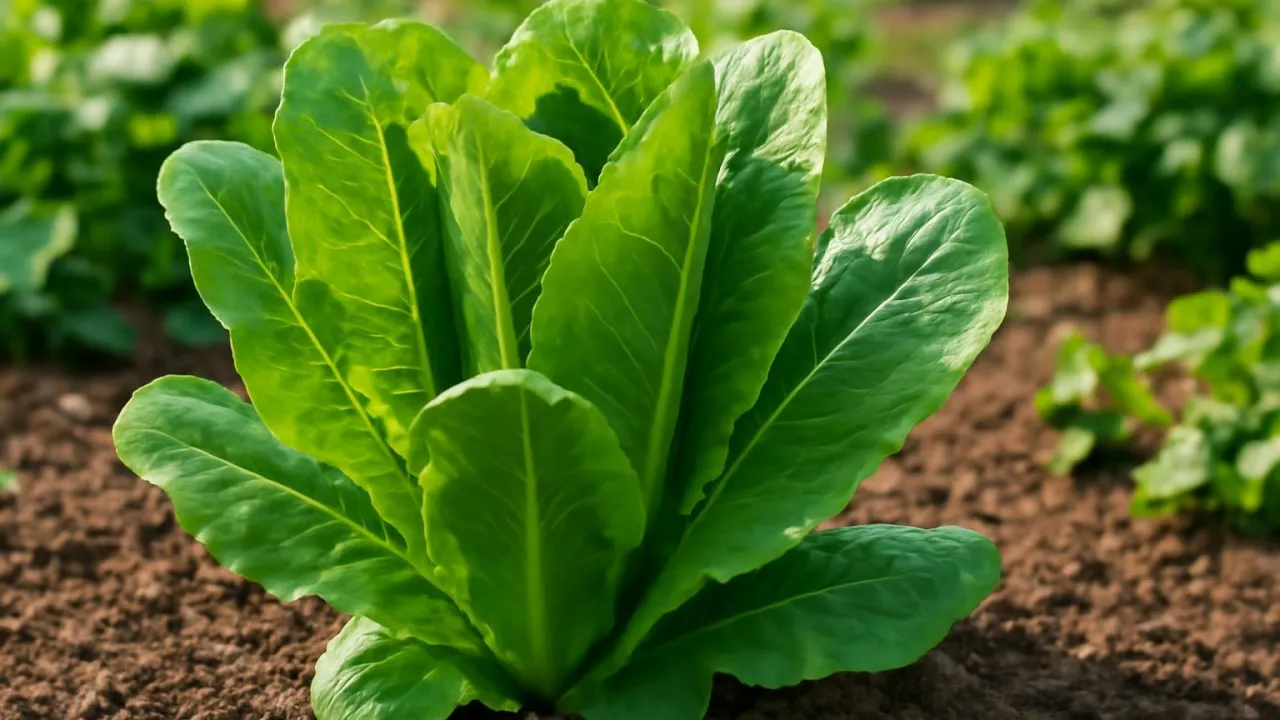
1. What sound do romaine leaves make when you bite them?
2. Where does romaine lettuce grow?
🤯 Mind-Blowing Fact • Grade 2
Romaine lettuce leaves are packed with vitamins and water to keep you healthy and hydrated!
✨ Word Sparks (Grade 2 Glossary)
Tap 🔊 to hear
moist
A little wet or damp
texture
How something feels or looks
harvest
To pick plants when they are ready
🪝
Have you ever tasted a leaf that crunches like a chip?
1
Crunchy and Green
Romaine lettuce has long, crunchy leaves that are bright green in color. The leaves taste fresh and mild, making salads tasty and fun. People enjoy the crisp that stays even after washing.
2
Growing in the Sun
This lettuce grows best in gardens and farms where it gets plenty of sun and water. It needs soil to grow big and healthy. Farmers pick romaine when the leaves are full and ready to eat.
3
Eating Romaine
We eat romaine lettuce in salads, sandwiches, and wraps for a healthy meal. Its crunchy leaves add a fresh flavor and to food. Many people like to eat it raw because it stays crisp.
1. What helps romaine lettuce grow big and healthy?
2. How do people usually eat romaine lettuce?
🤯 Mind-Blowing Fact • Grade 3
Romaine lettuce leaves help the plant keep water inside during hot weather!
✨ Word Sparks (Grade 3 Glossary)
Tap 🔊 to hear
adaptation
A change that helps plants survive
nutrients
Food that plants need to grow
pollinate
When insects help flowers make seeds
🪝
Did you know romaine lettuce has special leaves that help it survive?
1
Leaf Adaptations
Romaine lettuce has long, crisp leaves that help it stay fresh and cool. The thick leaves store water and protect the plant from drying out. This helps romaine survive in warm, sunny places.
2
Where It Grows
Romaine lettuce grows in gardens and farms mainly in Mediterranean climates. It prefers full sun and moist soil to get enough . The plant grows best in cool seasons to avoid heat stress.
3
Role in Ecosystems
Romaine lettuce provides food for humans and some insects. It is part of the food web because insects flowers and animals may eat the leaves. This vegetable also helps keep soil healthy.
4
How We Use It
People eat romaine lettuce fresh in salads and sandwiches for its crunchy texture. It contains vitamins and water that help keep us healthy and hydrated. Romaine is also easy to grow and harvest.
Romaine lettuce can grow up to 16 inches tall and still keep its crunchy texture!
✨ Word Sparks (Grade 4 Glossary)
Tap 🔊 to hear
organic matter
Dead plants and animals in soil
pollinator
An insect that helps plants make seeds
temperate
A climate that is not too hot or cold
🪝
How does romaine lettuce survive hot sun and help other living things?
1
Leaf Features and Survival
Romaine lettuce’s thick, crunchy leaves store water, helping the plant survive hot, dry conditions. This adaptation prevents wilting and keeps the leaves fresh for longer periods. The leaves’ crisp texture also protects the plant from insects and damage. These features allow romaine to thrive even in warm climates.
2
Ecosystem Roles and Growth
In gardens and farms, romaine lettuce plays a vital role by providing food for humans and insects alike. visit its flowers, helping the plant reproduce and maintain healthy populations. Additionally, romaine improves soil quality by adding after harvest. This process supports other plants and soil organisms.
3
Geographic Distribution
Originally from the Mediterranean region, romaine lettuce now grows worldwide in climates. It thrives best in cool seasons but can tolerate some heat if watered properly. Farmers carefully manage sun exposure and soil moisture to optimize growth and yield. This wide distribution shows its adaptability.
4
Human Uses and Benefits
People consume romaine lettuce fresh in salads and wraps, valuing its crisp texture and mild flavor. It is rich in vitamins A and K, supporting healthy vision and blood clotting. Romaine’s high water content also helps keep people hydrated, especially in warm weather. Its nutritional benefits make it a popular vegetable worldwide.
1. What helps romaine lettuce survive dry, hot weather?
2. Why are pollinators important to romaine lettuce?
🤯 Mind-Blowing Fact • Grade 5
Romaine lettuce leaves contain about 95% water, making them one of the most hydrating vegetables!
✨ Word Sparks (Grade 5 Glossary)
Tap 🔊 to hear
transpiration
Water loss from leaves into the air
photosynthesis
How plants use sunlight to make food
folate
A vitamin important for cell growth
🪝
What scientific secrets help romaine lettuce thrive and nourish people worldwide?
1
Scientific Classification and Origin
Romaine lettuce, scientifically named Lactuca sativa var. longifolia, belongs to the Asteraceae family. It originated in the Mediterranean basin, where mild climates favored its growth and cultivation. This variety is distinct for its elongated, crisp leaves compared to other lettuce types. Its domestication dates back thousands of years, showing its long history with humans.
2
Physiological Adaptations and Growth
The thick, ribbed leaves of romaine lettuce store water efficiently, reducing during hot weather. Its large surface area maximizes , producing nutrients essential for growth. Optimal growth occurs in temperatures between 60 and 70 degrees Fahrenheit (15-21 degrees Celsius). Romaine also has a shallow root system that absorbs moisture quickly from the soil.
3
Ecological and Agricultural Importance
Romaine lettuce supports ecosystems by providing nectar for pollinators such as bees and butterflies. It contributes organic matter to soil after harvest, enhancing fertility and soil health. Agriculturally, it is a staple crop worldwide, with annual production exceeding millions of tons. Sustainable farming methods help reduce water usage and pesticide impact.
4
Nutritional Value and Human Benefits
Rich in vitamins A, K, and , romaine lettuce supports vision, blood clotting, and cell growth. Its high water content, about 95%, aids hydration and digestion. Consuming romaine regularly can contribute to a balanced, nutrient-rich diet. It also contains antioxidants that help protect the body from damage.
5
Comparative Growth and Conservation
Romaine lettuce grows to heights of 12 to 16 inches (30-40 cm), taller than many other lettuce varieties. It requires moderate sun exposure and consistent moisture for optimal yield. Compared to iceberg lettuce, romaine has more nutrients and a firmer texture. Conservation efforts focus on sustainable farming practices to reduce water use and pesticide impact.