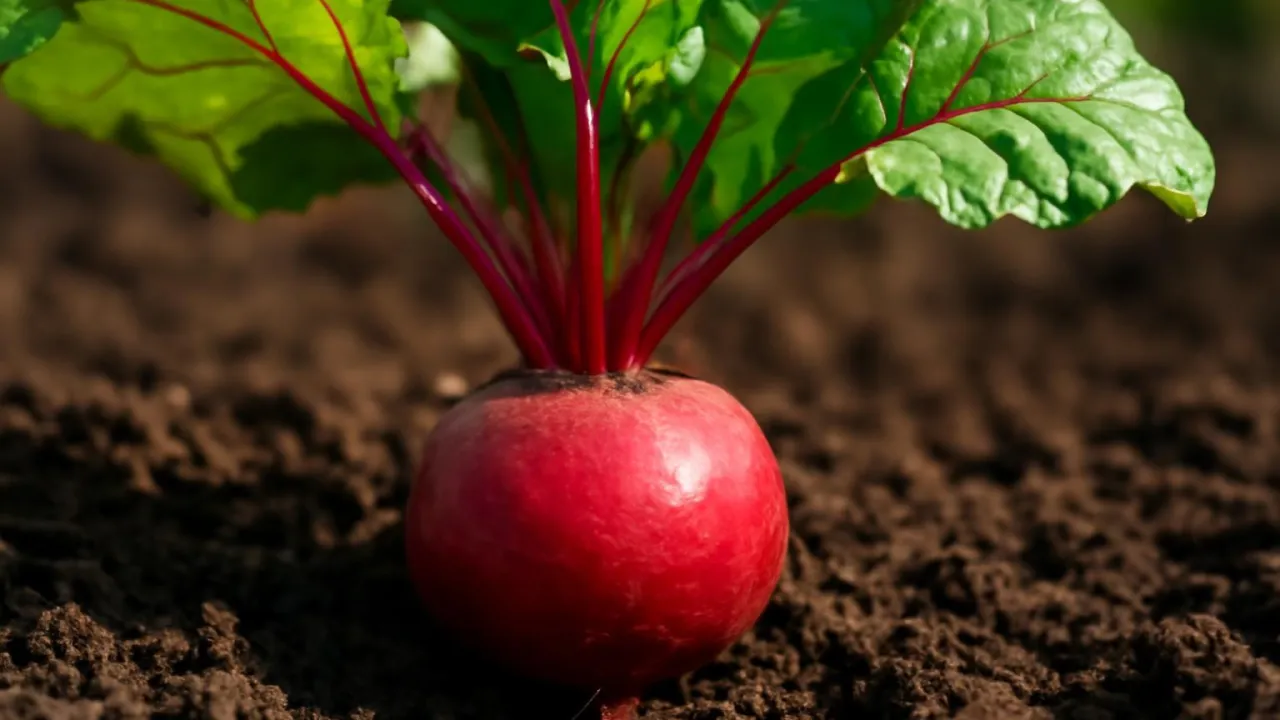
Beet juice was once used as a natural red dye for clothes!
✨ Word Sparks (Grade 2 Glossary)
Tap 🔊 to hear
garden
A place where plants grow
seed
A tiny part that grows into a plant
pigment
A natural color in plants or animals
🪝
Have you ever seen a bright red root growing in the garden?
1
Where Beets Grow
Red beets grow best in with full sun and moist soil. They need plenty of water to grow big and sweet. Farmers plant them in rows to help them grow well.
2
Beet Life Cycle
Beets start as small in the soil. After a few weeks, green leaves grow above the ground. The root grows bigger and turns red as it gets ready to eat.
3
Bright Red Color
The deep red color comes from natural called betalains. These pigments help protect the beet from bugs and sun damage. People love the bright color in salads and soups.
Beet pigments called betalains are rare and found only in a few plants worldwide!
✨ Word Sparks (Grade 3 Glossary)
Tap 🔊 to hear
photosynthesis
How plants make food from sunlight
nutrients
Food plants need to grow strong
camouflage
Colors that help hide plants or animals
🪝
Why do red beets have such a deep, bright color underground?
1
Beet Growth and Habitat
Red beets grow in temperate regions where the soil is moist and rich in . They need full sunlight to perform in their green leaves. The root stores energy as sugar to help the plant survive cold weather.
2
Life Cycle and Adaptation
Beets begin as tiny seeds that sprout green leaves above ground. The root grows larger and stores for the plant’s growth. This adaptation helps beets survive droughts by saving water and energy underground.
3
Pigments and Protection
The bright red color comes from betalain pigments, which provide and protect the beet from harmful UV rays. These pigments also act as antioxidants, helping the plant fight off predators and disease.
4
Beets in Our Ecosystem
Beets provide food for humans and animals, fitting into the food web as a root vegetable. They help improve soil health by adding back after harvest. Farmers use crop rotation to keep beet fields healthy and productive.
Red beet pigments reduce pest damage, lowering farmers’ pesticide needs worldwide!
✨ Word Sparks (Grade 4 Glossary)
Tap 🔊 to hear
ecosystem
A community of living and nonliving things
fertility
How healthy and rich soil is for plants
pollinator
An animal that helps plants make seeds
🪝
How do red beets survive and thrive in different climates around the world?
1
Climate and Growing Conditions
Red beets thrive in temperate climates where cool weather helps develop their sweet flavor and deep red color. If temperatures get too hot, beets grow smaller roots because heat stresses the plant’s growth. Moist, well-drained soil is essential for healthy beet development. Proper watering and soil care ensure the beets grow strong and healthy.
2
Role in Ecosystems and Farming
Beets play an important role in food webs by feeding humans, livestock, and wildlife. Their leaves and roots provide nutrients for soil microbes, supporting healthy . Farmers rotate beet crops with grains to prevent pests and maintain soil . This rotation also helps reduce diseases that could harm future crops.
3
Cause and Effect of Pigments
The betalain pigments cause the beet’s red color and protect it from UV damage and pests. This natural defense reduces the need for chemical pesticides, benefiting the environment. Bright colors also attract to nearby flowering plants, which helps the whole stay balanced.
4
Geographic Spread and Uses
Originally from the Mediterranean, red beets are now grown worldwide in Europe, North America, and Asia. They are used in salads, juices, and as natural food dyes. Their ability to grow in many soils makes them a versatile crop for farmers globally. This wide distribution shows how adaptable and valuable beets are.
2. What effect do betalain pigments have on beets?
🤯 Mind-Blowing Fact • Grade 5
Red beet pigments called betalains are rare plant compounds used in natural dyes and antioxidants worldwide!
✨ Word Sparks (Grade 5 Glossary)
Tap 🔊 to hear
taxonomic
How scientists group living things
antioxidant
A substance that protects cells from damage
rhizosphere
Soil around roots with helpful microbes
🪝
What makes red beets a unique and valuable vegetable in science and agriculture?
1
Scientific Classification and Origin
Red beet, scientifically named Beta vulgaris, belongs to the Amaranthaceae family, which includes spinach and quinoa. It originated in the Mediterranean region and has been cultivated for thousands of years for food and dye. Its classification highlights its close relation to other nutrient-rich leafy vegetables, showing its importance in human diets.
2
Physiological Mechanics and Pigmentation
The red color of beets is due to betalain pigments, which are water-soluble and located in the vacuoles of root cells. These pigments serve dual roles: protecting the plant from ultraviolet radiation and acting as that neutralize harmful molecules in cells. The root stores carbohydrates primarily as sucrose, supporting energy needs during dormancy and regrowth cycles.
3
Agricultural History and Conservation
Historically, red beets were used as natural dyes before synthetic colors existed, demonstrating their cultural importance across civilizations. Modern agriculture has improved beet varieties for higher sugar content and pest resistance, increasing crop yields. Conservation efforts focus on preserving heirloom beet varieties to maintain genetic diversity and resilience against climate change.
4
Ecological Role and Crop Management
Beets contribute to soil health by cycling nutrients and supporting beneficial microbes in the , the soil zone near roots. Crop rotation with cereals reduces soil-borne diseases and pest populations, enhancing sustainable farming practices. Their adaptability to various soil types allows cultivation across diverse geographic regions, making them a globally important crop.
5
Quantitative Comparisons and Uses
Red beets typically grow 6 to 12 inches tall and weigh between 3 to 7 ounces each, thriving in temperatures from 50 to 70 degrees Fahrenheit. Beet juice contains about 40 milligrams of betalains per 100 grams, making it a potent natural pigment source used in food, cosmetics, and medicine. Their nutritional profile includes fiber, vitamins, and minerals essential for human health.