Northern Cardinal
The Red Songbird With a Secret
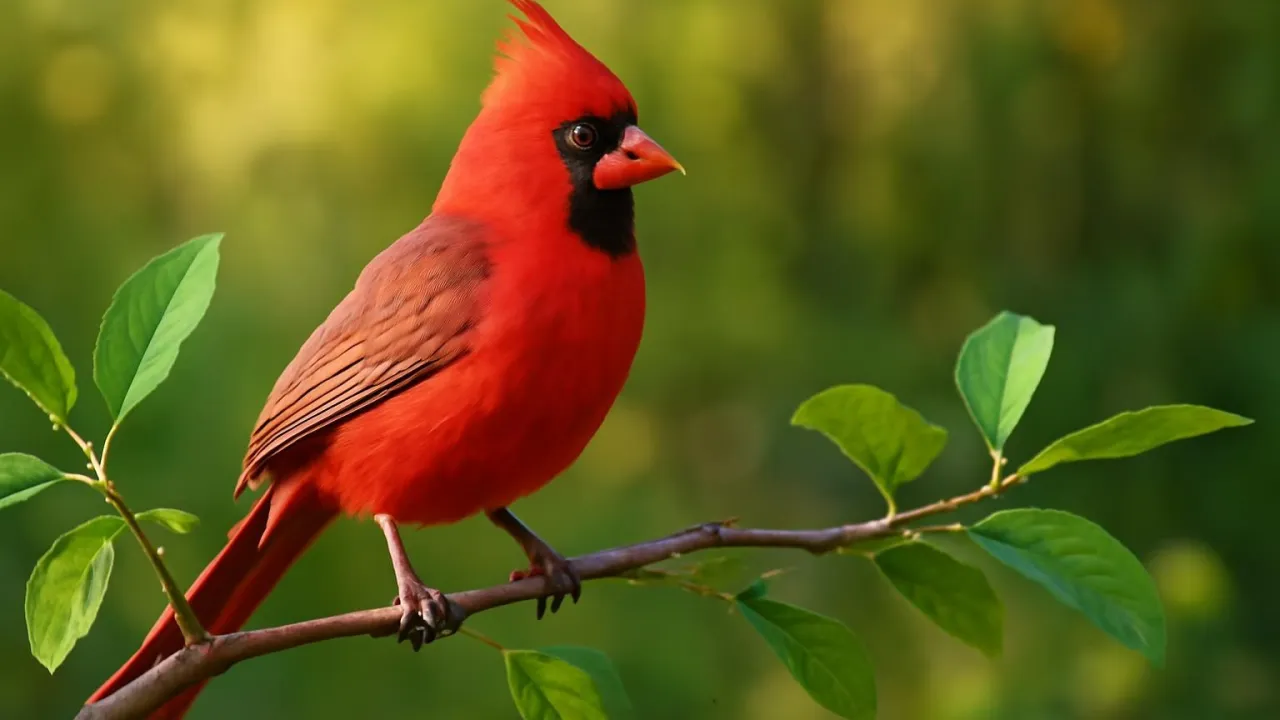
The northern cardinal is the official state bird of seven U.S. states—the most of any bird!
1 Taxonomy and Unique Features
The northern cardinal, scientifically named Cardinalis cardinalis, belongs to the family Cardinalidae, which includes grosbeaks and buntings. This species is instantly recognizable by the male’s brilliant red plumage, black facial mask, and prominent crest, while females display a subtle blend of brown and reddish tones. Both sexes have robust, conical beaks specialized for cracking hard seeds, a trait that distinguishes them from other songbirds. in plumage and behavior is pronounced, with males using their coloration to attract mates and defend territory. The cardinal’s song repertoire is unusually complex, with individuals capable of producing over 24 distinct song patterns.
2 Habitat, Range, and Adaptation
Northern cardinals inhabit a wide range of environments, including deciduous forests, woodland edges, suburban gardens, and city parks across eastern and central North America, from southern Canada to northern Guatemala. Unlike many songbirds, cardinals are non-migratory, remaining in their territories throughout the year and adapting to seasonal changes in food availability. Their ability to exploit bird feeders and ornamental shrubs has allowed them to expand their range northward over the past century. Cardinals build well-hidden, cup-shaped nests in dense vegetation, typically 3 to 10 feet (1–3 meters) above the ground, providing protection from predators and harsh weather.
3 Physiology and Survival Strategies
Cardinals possess several physiological adaptations that enhance their survival. Their strong jaw muscles and thick beaks generate enough force to crack open seeds with tough shells, such as sunflower and safflower seeds. In winter, cardinals fluff their feathers to trap warm air, helping them maintain body temperature even in subfreezing conditions. Their vision is adapted for detecting movement and color, which aids in finding food and spotting predators. Both males and females sing, a rare trait among North American songbirds, and their vocalizations serve to defend territory, attract mates, and coordinate with their partner. Cardinals’ non-migratory lifestyle requires them to locate food sources year-round, making them highly resourceful.
4 Role in Ecosystems and Human Impact
Northern cardinals play a crucial ecological role by dispersing seeds from the fruits they consume, which supports plant diversity and forest regeneration. They also help regulate insect populations by feeding on beetles, caterpillars, and grasshoppers. Cardinals are prey for larger birds such as hawks and owls, making them an important link in food webs. Human activities have both benefited and threatened cardinals: suburban landscaping and bird feeders have increased their numbers, but habitat loss and window collisions still pose risks. Conservation efforts focus on protecting native vegetation and reducing hazards in urban areas.
5 Amazing Numbers and Lasting Legacy
A northern cardinal weighs about 1.5 ounces (42 grams) and measures 8.3–9.1 inches (21–23 centimeters) in length, with a wingspan of 9.8–12.2 inches (25–31 centimeters). Cardinals can live up to 15 years in the wild, although most survive 3–5 years due to predation and environmental hazards. Their striking appearance and melodic songs have made them state birds in seven U.S. states, more than any other species. Cardinals are also featured in art, sports, and folklore, symbolizing hope and cheerfulness. Their adaptability and beauty ensure their continued presence in both wild and human-altered landscapes.
1. How do northern cardinals survive cold winters without migrating?
2. What is one way humans have helped cardinal populations grow?