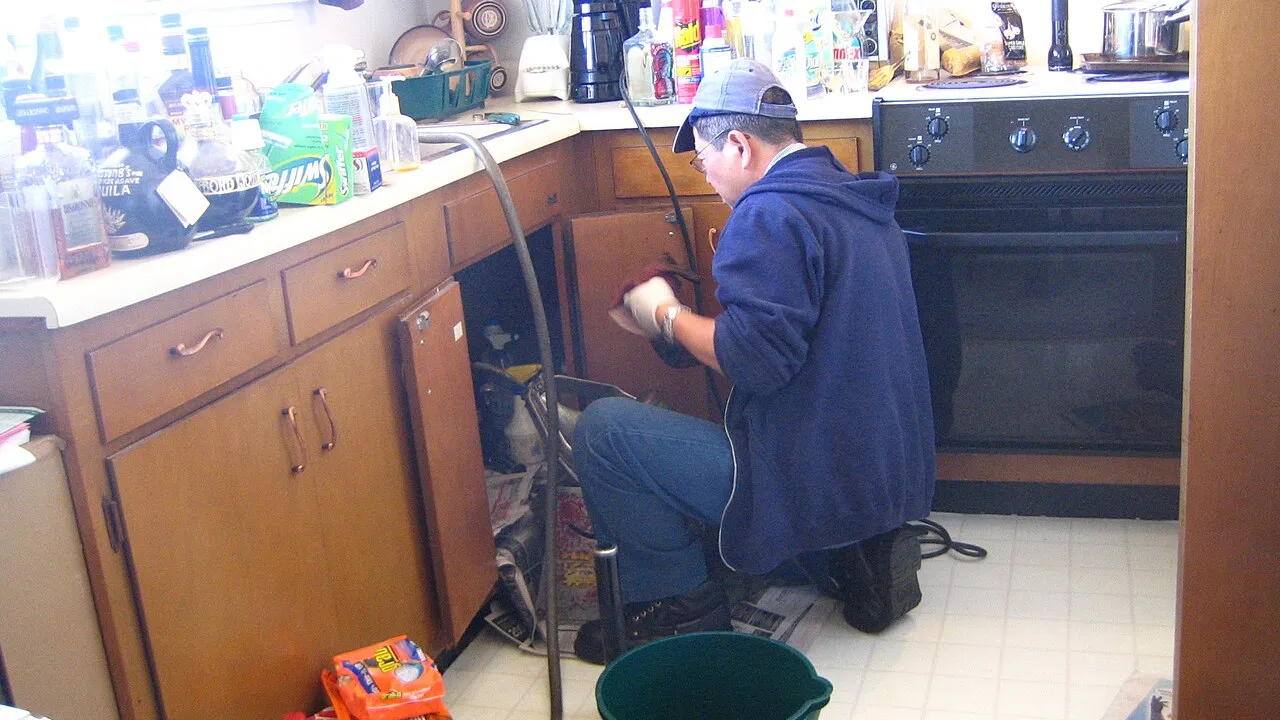
🏢 WorkplaceHomes, hospitals, underground water mains, and commercial construction sites
⚡ Everyday Impact SparkDelivers pressurized clean water upstairs and whisks wastewater safely away using gravity and physics
🤯 Mind-Blowing Fact • Grade 1
Look under almost any sink and you will spot a curved U-shaped pipe—plumbers put it there so a tiny puddle of water blocks smelly sewer air from coming up!
✨ Word Sparks (Grade 1 Glossary)
Tap 🔊 to hear
Faucet
A tap with a handle that lets water flow
Drain
An opening where used water leaves a sink
Leak
A crack or gap where water drips out
🪝
How does clean water climb up inside walls to reach your sink?
1
Whoosh Goes the Water!
Whoosh! Turn a shiny handle, and fresh water splashes over your hands. Pull the plug, and dirty water swirls down the . A master plumber built those hidden pipe paths!
2
Two Sets of Pipes
One set of pipes brings clean water into kitchens and baths. Another set carries used water safely out of the house.
3
Stopping Leaks
Master plumbers join copper and plastic tubes tight so not a single drop . Clean water keeps families healthy!
1. Why does a house need two completely separate sets of plumbing pipes?
2. What hides inside the curved U-shaped pipe under a sink to block bad smells?
🤯 Mind-Blowing Fact • Grade 2
Doctors and historians credit modern clean-water plumbing and sanitation with saving more human lives than almost any other invention in history!
✨ Word Sparks (Grade 2 Glossary)
Tap 🔊 to hear
Water Pressure
The gentle force pushing clean water through pipes
Gravity
Earth's pull that draws drain water downhill
Sanitation
Keeping communities healthy with clean water and waste removal
🪝
Where did the word 'plumber' come from thousands of years ago?
1
From Ancient Rome to Today
Turn on a warm shower on a frosty morning, and thank a master plumber! Two thousand years ago, Roman builders carried fresh water through stone aqueducts and pipes. Their Latin word for pipe metal was 'plumbum,' which gave plumbers their name—though today's pros use safe copper and tough plastic!
2
Push and Pull of Water
Clean drinking water enters buildings under strong pressure, pushing it all the way up to top apartments. Drain pipes work differently: plumbers tilt them slightly downhill inside floors so rolls wastewater smoothly away.
3
High-Tech Pipe Tools
Master plumbers even steer tiny waterproof video cameras inside underground pipes to spot tree roots or cracks on a screen without digging up front yards!
1. How does clean water manage to travel upstairs to a second-floor bathroom?
2. How can a modern master plumber look inside a buried pipe without digging up the lawn?
🤯 Mind-Blowing Fact • Grade 3
If a plumber slopes a horizontal drain pipe too little, waste stops moving—but if they slope it too steeply, liquid outruns solids! Exactly 1/4 inch drop per foot is the golden rule.
✨ Word Sparks (Grade 3 Glossary)
Tap 🔊 to hear
Vent Pipe
A roof pipe letting air balance plumbing drains
PEX Tubing
Flexible red and blue plastic water supply pipe
Potable Water
Clean, treated water that is safe to drink
🪝
Why do houses have small open pipes poking out through the roof—and what do they have to do with sinks?
1
The Secret of Roof Vents
Have you ever placed your finger tightly over the top of a drinking straw and lifted it out of a cup? The liquid stays trapped inside until you let air in! Household plumbing drains work the exact same way. Master plumbers connect drain lines to open roof so fresh air flows behind rushing water and sinks never glug or stall.
2
Earning the Master License
Becoming a master plumber takes years of skill and study. After learning tools during a paid apprenticeship and working for years as a licensed journeyman, an experienced plumber passes advanced building-code and blueprint exams to earn the master license.
3
Red, Blue, and Copper
Modern plumbers join gleaming copper pipes or crimp bendable —usually colored bright red for hot water and blue for cold water—alongside insulated heaters that save electricity and gas.
4
Fire Sprinklers and Hospitals
Beyond kitchens and bathrooms, master plumbers fit ceiling fire-sprinkler lines in schools and ultra-clean medical oxygen pipes inside community hospitals.
1. What job does the plumbing vent pipe sticking through a house roof do?
2. In modern PEX plumbing, what do red and blue tubes usually stand for?
🤯 Mind-Blowing Fact • Grade 4
Switching older building restrooms to modern high-efficiency plumbing fixtures designed by engineers and plumbers saves the United States billions of gallons of clean drinking water every single week!
✨ Word Sparks (Grade 4 Glossary)
Tap 🔊 to hear
Backflow
Unwanted reverse flow of dirty water into clean pipes
Fixture
A connected plumbing device like a sink or tub
Tankless Heater
A compact unit heating water instantly on demand
🪝
How do master plumbers stop polluted water from ever flowing backward into a town's clean drinking supply?
1
Guardians of Public Health
Imagine firefighters hooking giant hoses to a street hydrant down the block, suddenly dropping water pressure inside neighborhood mains. Without specialized one-way valves engineered and tested by master plumbers, dirty water sitting in a lawn sprinkler puddle or commercial boiler could get sucked backward into clean drinking pipes! Stopping '' is one of plumbing's proudest public-health duties.
2
Supply, Drain-Waste-Vent, and Gas
Inside every school, apartment tower, or factory, a master plumber designs and inspects three separate piping networks. First, pressurized potable water lines feed sinks and fountains through insulated copper or PEX tubing. Second, Drain-Waste-Vent (DWV) stacks carry wastewater downward at an exact quarter-inch-per-foot gravity slope while roof vents balance air pressure. Third, licensed plumbers fit leak-tested steel gas lines for heating boilers and cafeteria kitchens.
3
Conserving Millions of Gallons
Across growing communities from Virginia's cities to dry western valleys, master plumbers install WaterSense low-flow faucets, on-demand tankless water heaters, and 'greywater' recycling systems that filter gently used shower water to irrigate outdoor trees and gardens.
4
Leading Crews and Inspections
Master plumbers read isometric mechanical blueprints, secure municipal permits, pressure-test every single pipe joint with air or water gauges before drywall goes up, and mentor upcoming apprentices.
1. Why do plumbing codes require 'backflow preventers' on sprinklers and commercial water lines?
2. How does a tankless water heater save energy compared to a giant storage tank?
🤯 Mind-Blowing Fact • Grade 5
Every foot of vertical elevation adds 0.433 psi of water pressure—meaning municipal water towers stand high above towns specifically so gravity alone can pressurize neighborhood mains even during a power outage!
✨ Word Sparks (Grade 5 Glossary)
Tap 🔊 to hear
Hydrostatics
Science of fluid pressure caused by weight and depth
Water Hammer
A banging shockwave when flowing water stops suddenly
Thermal Expansion
Swelling in volume when water or metal heats up
🪝
How do master plumbers apply fluid dynamics, atmospheric pressure, and thermal expansion physics to engineer skyscraper and hospital piping networks?
1
Fluid Mechanics Behind Every Wall
Step into the sub-basement mechanical room of a 40-story high-rise or regional surgical hospital, and you will see variable-speed booster pumps, pressurized expansion tanks, and color-coded copper manifolds operating in quiet harmony. Master plumbers apply , thermodynamics, and fluid dynamics to ensure uninterrupted clean-water delivery and sanitary waste removal without ever rupturing a joint.
2
Solving Skyscraper Pressure Zones
Earth's gravity exerts 0.433 pounds per square inch (psi) of hydrostatic pressure for every vertical foot of standing water height. Inside a 300-foot skyscraper, a single unbroken column of water from roof to cellar would blast ground-floor faucets with 130 psi while barely trickling on top floors! Master plumbers solve this physics puzzle by dividing tall towers into vertical pressure zones—pairing multistage booster pumps with pressure-reducing valves so every floor enjoys a steady, safe 45 to 60 psi.
3
Thermal Expansion and Water Hammer
When cold municipal water heats inside a closed storage tank, its molecules spread apart and expand in volume; without an air-diaphragm expansion tank installed by a plumber, soaring pressure would force relief valves open. Likewise, when fast electric solenoid valves on dishwashers or laundry machines snap shut, moving water's momentum slams against pipe walls in a loud shockwave called ''—silenced by air-cushioned piston arrestors.
4
Medical Gas and Trenchless Infrastructure
Specially credentialed master plumbers braze surgical-grade copper lines purged with nitrogen to carry pure oxygen and vacuum suction to hospital bedsides, while municipal specialists renew century-old underground water mains using trenchless cured-in-place resin liners without tearing up city avenues.
5
Pathway to Master Licensure
After completing a four-to-five-year trade apprenticeship and years of journeyman leadership, candidates pass rigorous state licensing exams covering hydraulic pipe-sizing math, three-dimensional isometric drawings, and International Plumbing Code regulations.