1. What sound does iceberg lettuce make when you bite it?
2. Where does iceberg lettuce like to grow?
🤯 Mind-Blowing Fact • Grade 2
Iceberg lettuce was first grown in the 1890s and became very popular soon after!
✨ Word Sparks (Grade 2 Glossary)
Tap 🔊 to hear
crisp
Fresh and makes a crunch sound
harvest
To pick plants when they are ready
texture
How something feels or tastes in your mouth
🪝
Have you ever tasted lettuce that stays crunchy for a long time?
1
What Iceberg Lettuce Looks Like
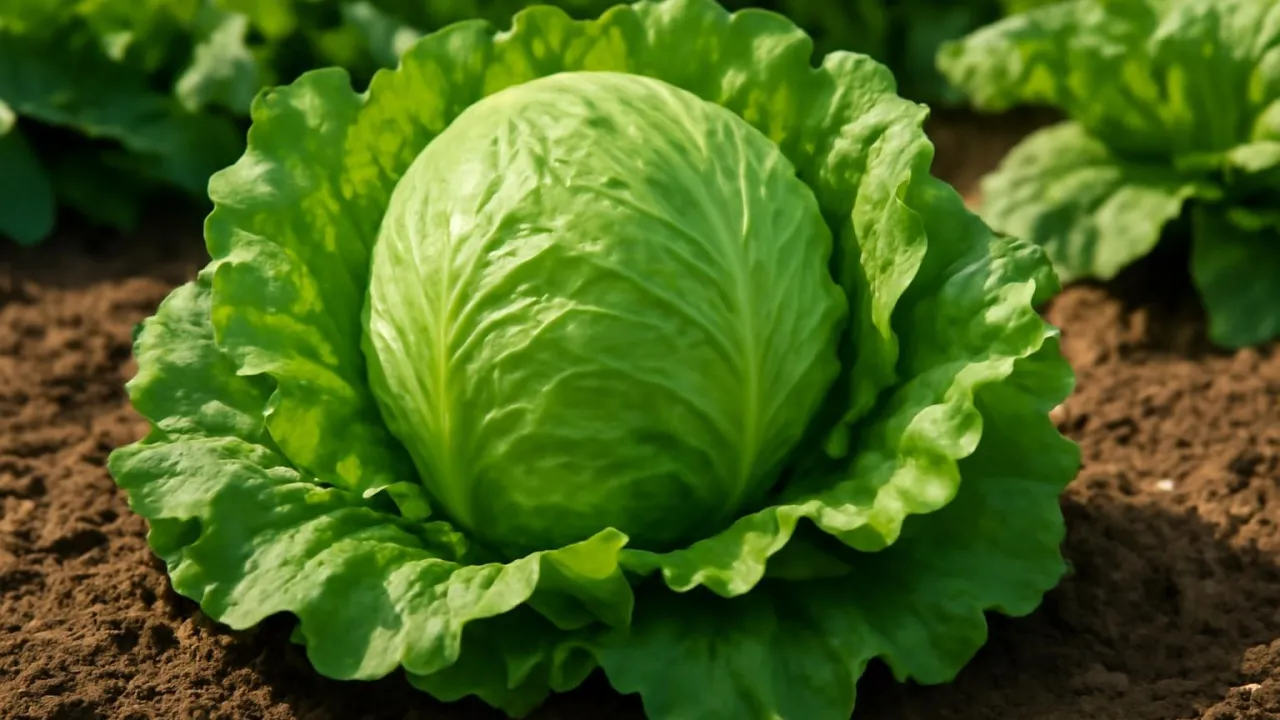
Iceberg lettuce has round, green leaves that are very and fresh. The leaves form a tight, round head that looks like a small green ball. People enjoy its crunchy in many dishes.
2
Where It Grows and Grows
Iceberg lettuce grows best in cool weather with plenty of sun and water. Farmers plant it in gardens or fields where the soil is rich and moist. It takes about two months to grow fully.
3
Why It’s So Special
Iceberg lettuce keeps its crunch longer than other lettuces because its leaves hold water well. This makes it taste fresh and cool for salads and sandwiches. Many people like its mild flavor and bite.
1. How long does it take for iceberg lettuce to grow fully?
2. Why does iceberg lettuce stay crunchy longer?
🤯 Mind-Blowing Fact • Grade 3
Iceberg lettuce’s thick leaves store water to stay crunchy even on hot days!
✨ Word Sparks (Grade 3 Glossary)
Tap 🔊 to hear
adaptation
A change that helps plants survive better
nutrients
Food that plants and animals need to grow
pollinators
Insects that help plants make seeds
🪝
Did you know iceberg lettuce’s leaves help it stay fresh and crunchy?
1
Cool and Crisp Leaves
Iceberg lettuce has thick, round leaves that form a dense head. Its leaves store water, which helps keep them crisp and fresh. This protects the plant from drying out in warm weather. The crunchy texture makes it popular in many salads.
2
Growing in the Right Place
This lettuce grows best in cool climates with plenty of sunlight and moist soil. It thrives in gardens and farms where it can get and water. Farmers harvest iceberg lettuce before the leaves start to wilt or turn yellow.
3
Role in the Food Chain
Iceberg lettuce is a food source for humans and some animals like rabbits. It provides water and to those who eat it. In gardens, it also supports by attracting insects with its flowers before harvest.
4
A Special Plant Adaptation
The thick leaves of iceberg lettuce act as a natural barrier against pests and heat. This camouflage helps the plant survive longer in the garden. Its ability to hold water inside leaves is a clever for survival.
1. What helps iceberg lettuce leaves stay fresh and crunchy?
2. Who eats iceberg lettuce in the food chain?
🤯 Mind-Blowing Fact • Grade 4
Iceberg lettuce’s water-storing leaves help it stay fresh longer, even in warm climates!
✨ Word Sparks (Grade 4 Glossary)
Tap 🔊 to hear
dehydration
When a plant or animal loses too much water
sustainable
Using resources without harming the environment
greenhouse
A building that helps plants grow in cold weather
🪝
How does iceberg lettuce’s structure help it survive in different environments?
1
Physical Features and Survival
Iceberg lettuce’s thick, water-rich leaves help it survive by preventing during hot weather. Its dense leaf head protects the inner leaves from pests and harsh sunlight, which can damage the plant. This structure allows it to stay fresh longer than many other lettuces. The waxy surface also reduces water loss, helping it survive in dry conditions.
2
Ecosystem and Human Impact
In ecosystems, iceberg lettuce provides food and hydration to various animals and insects. Humans cultivate it widely for consumption, but heavy farming can impact soil health if not managed carefully. farming practices help maintain healthy soil and reduce environmental effects. Crop rotation and organic fertilizers improve soil quality and reduce pests.
3
Geographic Distribution
Originally from the Mediterranean and Western Asia, iceberg lettuce is now grown worldwide in temperate regions. It prefers cooler climates but can be cultivated in to extend growing seasons. Its adaptability has made it a popular vegetable in many countries. Some farmers grow it hydroponically to save water and space.
4
Cause and Effect in Growth
Because iceberg lettuce stores water in its leaves, it can remain crisp even when temperatures rise. However, if water is scarce, the leaves will wilt quickly, affecting taste and texture. Proper watering and climate control are essential for healthy growth and harvest. Lack of water causes leaves to become soft and reduces shelf life.
1. Why do iceberg lettuce leaves stay fresh longer?
2. What can happen if iceberg lettuce does not get enough water?
🤯 Mind-Blowing Fact • Grade 5
Iceberg lettuce’s crispness comes from water pressure inside leaf cells, a natural freshness booster!
✨ Word Sparks (Grade 5 Glossary)
Tap 🔊 to hear
turgor pressure
Water pressure inside plant cells that keeps them firm
cuticle
A waxy layer on leaves that stops water loss
selective breeding
Choosing plants with good traits to grow new ones
🪝
What makes iceberg lettuce’s physiology ideal for crispness and global cultivation?
1
Scientific Classification and Origin
Iceberg lettuce, scientifically named Lactuca sativa, belongs to the Asteraceae family. It originated in the Mediterranean and Western Asia regions, where its adaptations to cooler climates developed. Over centuries, enhanced its dense, water-storing leaves for commercial farming worldwide. This has helped it become one of the most popular lettuce varieties globally.
2
Physiological Mechanics of Crispness
The crisp texture of iceberg lettuce results from high within its thick, water-filled leaf cells. This pressure maintains leaf rigidity and prevents wilting under moderate heat. Additionally, the waxy on leaves reduces water loss, enhancing shelf life and freshness. The combination of these features allows iceberg lettuce to remain crunchy longer than many other leafy greens.
3
Conservation and Agricultural History
Iceberg lettuce gained popularity in the United States in the early 20th century due to its long shelf life and appealing texture. While widely cultivated, concerns about water usage and soil depletion have led to research in sustainable farming methods. Crop rotation, drip irrigation, and organic fertilizers help conserve resources and maintain soil health. These practices are important for the future of iceberg lettuce farming.
4
Quantitative Comparisons and Growth Conditions
Typically, iceberg lettuce grows to 6-12 inches tall (15-30 cm) and weighs between 0.5 to 1.5 pounds (225-680 grams). It requires daytime temperatures between 60°F and 70°F (15°C to 21°C) for optimal growth. Compared to other lettuces, it tolerates heat less but stores water better, extending freshness. Its growth cycle usually lasts about 60 days from planting to harvest.
5
Global Impact and Nutritional Role
Iceberg lettuce contributes to global diets by providing hydration and dietary fiber with low calories. Its cultivation supports economies in temperate zones, though it offers fewer vitamins than darker leafy greens. Innovations in breeding aim to improve its nutritional content while maintaining crispness. These improvements could help meet future demands for healthy, fresh vegetables worldwide.