👷 CAREERS
💼 Forensic Chemistry, Microscopy & Evidence Analysis
VA Economics, Civics & Career Readiness SOL K.8, 1.8, 2.8, 3.9
Forensic Scientist
Lab Detectives Solving Mysteries with Tiny Clues
Grade 1 • Early Reader • 67 words
🧭 Career FieldPublic Safety Laboratories, Museums, Wildlife Protection & Justice Systems
🛠️ Key Tools & SkillsComparison microscopes, fingerprint brushes, UV lights, DNA analyzers, and sterile swabs
🏢 WorkplaceClean chemistry and biology labs, museum authentication rooms, and investigation sites
⚡ Everyday Impact SparkTurns a single fingerprint, paint fleck, or pollen grain into rock-solid scientific proof
🤯 Mind-Blowing Fact • Grade 1
Even identical twins who look exactly alike have completely different fingerprints on their hands!
✨ Word Sparks (Grade 1 Glossary)
Tap 🔊 to hear
fingerprint
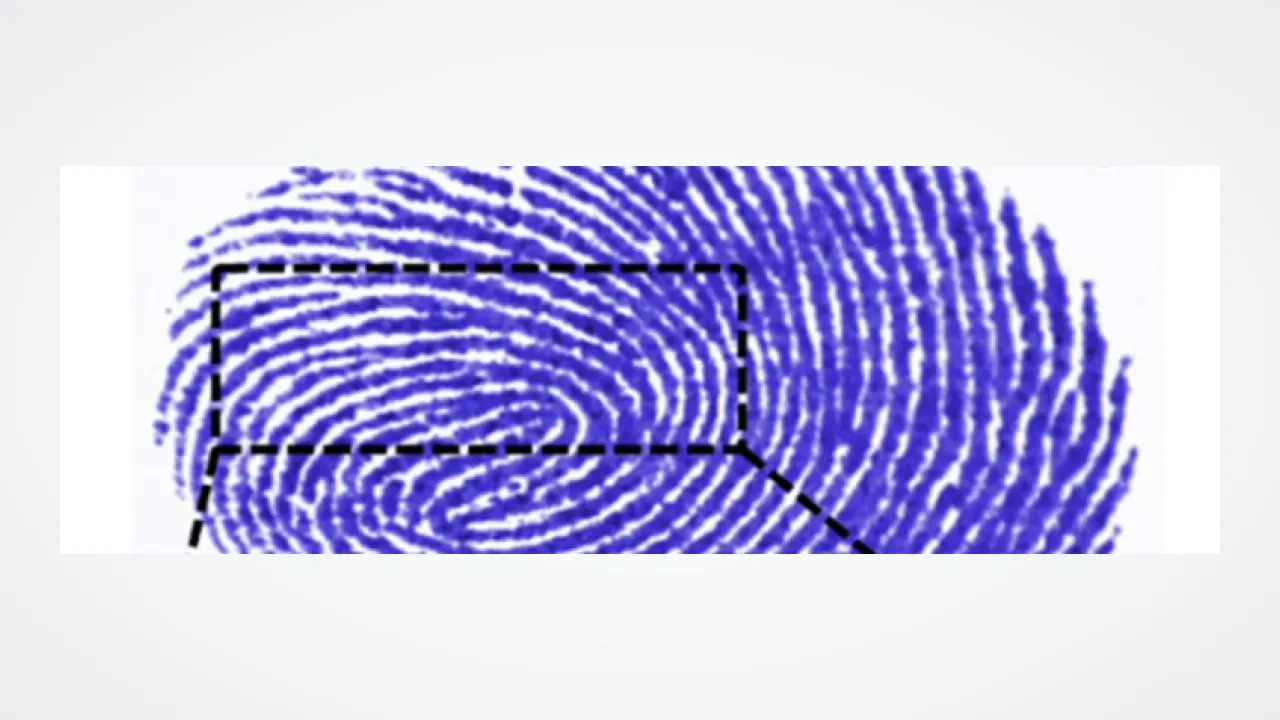
Unique pattern of tiny ridges on fingertips
microscope
A lens tool making tiny things big
evidence
Real clues and facts proving what happened
🪝
Did you know nobody else in the whole world has fingerprints just like yours?
1
Loops on Your Thumbs
Peek closely at the tip of your thumb! Tiny loops and swirls curve across your skin. Dusting invisible prints onto glass with a soft brush is one trick of a forensic scientist.
2
Tiny Clues Tell Truth
Suppose a rare gem goes missing from a museum case. Muddy shoeprints, threads, and crumbs left behind become science clues!
3
Testing in the Lab
Bright zoom in on every tiny speck. Fair, careful facts help solve the mystery!
1. How many other people on Earth share your exact same fingerprint pattern?
2. What tool helps a forensic scientist examine a tiny thread or grain of sand?
🤯 Mind-Blowing Fact • Grade 2
Koalas in Australia have swirled fingerprints so remarkably similar to human fingerprints that they could easily confuse a magnifying glass!
✨ Word Sparks (Grade 2 Glossary)
Tap 🔊 to hear
trace
A tiny bit left behind somewhere
tread
Grooved pattern on shoes or car tires
chemist
A scientist studying what substances are made of
🪝
How can a muddy footprint or a tiny flower seed solve a puzzling mystery?
1
Every Contact Leaves a Trace
Walk across a park and your sneakers pick up grass pollen while leaving wavy marks in damp soil! Following clues just like these inside a sparkling laboratory, a forensic scientist uses chemistry and biology to uncover the truth.
2
Matching Patterns Side by Side
Special 'comparison microscopes' let scientists view two tiny clues right next to each other through one eyepiece. They can match a torn piece of tape to its exact roll or see which sneaker brand left a footprint!
3
Spotting Fake Paintings Too
Forensic even test paint droplets on famous artworks to prove whether a painting is centuries old or a clever modern fake!
1. What does a 'comparison microscope' allow a forensic scientist to do?
2. How might a museum use a forensic scientist?
🤯 Mind-Blowing Fact • Grade 3
In 1910, French pioneer Edmond Locard stated the golden rule of forensics: 'Every contact leaves a trace'—meaning whenever two objects touch, microscopic bits transfer between them!
✨ Word Sparks (Grade 3 Glossary)
Tap 🔊 to hear
contaminate
Accidentally mixing outside dirt into pure samples
chromatography
Separating a mixture into its hidden ingredients
DNA
Microscopic genetic code inside every living cell
🪝
Why don't real forensic labs solve a whole case in forty-five minutes like television shows?
1
Gloves, Goggles, and Clean Suites
Before opening a sealed evidence bag, a forensic scientist pulls on hairnets, lab coats, masks, and nitrile gloves. Why? If a scientist's own eyelash or sweater thread dropped onto a sample, it could the clue!
2
Separating Inks with Chromatography
Suppose someone altered a number on an important check using a black pen. Using , a chemist places a tiny ink dot on filter paper with solvent—and watches two 'identical' black inks split into completely different rainbow stripes of blue, purple, and yellow dyes!
3
Reading Nature's Instruction Book
Every living thing carries —a microscopic instruction code inside its cells. Forensic biologists analyze DNA from a tiny drop of saliva on a stamp or even shed animal fur.
4
Protecting Endangered Wildlife
At the U.S. Fish and Wildlife Forensics Laboratory, scientists test wood, shells, and feathers to protect endangered sea turtles, elephants, and rare trees!
1. Why do forensic scientists wear gloves, masks, and lab coats in the lab?
2. How can chromatography tell whether two black pens used the exact same ink?
🤯 Mind-Blowing Fact • Grade 4
Virginia became the very first state in the nation in 1989 to establish a state DNA databank lab in Richmond to help solve tough cases and clear innocent people!
✨ Word Sparks (Grade 4 Glossary)
Tap 🔊 to hear
chain of custody
Signed record tracking who handled each clue
unbiased
Fair and neutral without favoring either side
latent print
Invisible fingerprint revealed with powder or light
🪝
How do impartiality, chain of custody, and chemistry ensure that innocent people are protected by science?
1
Working for Truth—Either Way
Here is the most important rule inside a state crime lab: a forensic scientist never takes sides to 'win' an argument. Whether a chemical test confirms a suspect was present or proves an innocent person was miles away, the scientist's sole loyalty is to accurate, data.
2
Guarding the Chain of Custody
From the moment an investigator seals a soil sample or digital hard drive in tamper-evident tape, every person who transports, stores, or tests it signs a timestamped log called the . That unbroken record guarantees to judges and juries that nothing was switched or altered.
3
Specialists Instead of One TV Genius
On television, one character collects clues, analyzes DNA, tests computer files, and explains everything before dinner! Real laboratories—such as Virginia's nationally respected Department of Forensic Science—divide work among dedicated specialists: latent-print examiners, trace-evidence chemists, forensic biologists, and digital forensics analysts who recover deleted data from phones and laptops.
4
Pollen and Soil Maps
Forensic palynologists even identify microscopic pollen grains and mineral crystals trapped inside car air filters or muddy boot treads to pinpoint which valley, farm, or forest a vehicle traveled through!
1. What is the purpose of maintaining a strict 'chain of custody' log for evidence?
2. How does real-world forensic science differ from television mystery shows?
🤯 Mind-Blowing Fact • Grade 5
The heat-resistant enzyme (Taq polymerase) that lets forensic labs copy tiny traces of DNA millions of times was discovered in bacteria living inside boiling hot springs at Yellowstone National Park!
✨ Word Sparks (Grade 5 Glossary)
Tap 🔊 to hear
mass spectrometry
Identifying chemicals by weighing shattered molecule bits
PCR
Lab method copying tiny DNA samples rapidly
exonerate
Proving with evidence that someone was innocent
🪝
How do PCR amplification, mass spectrometry, and blind peer verification turn picograms of matter into courtroom-grade evidence?
1
Finding One Molecule in a Billion
Inside a gas chromatograph–mass spectrometer (GC-MS), a pinpoint sample vaporizes, races through a coiled capillary tube to separate compounds, and shatters into ionized fragments weighed by electromagnetic fields. Reading the resulting molecular fingerprint on a dual monitor, a forensic scientist identifies the exact chemical formula of a mystery residue down to parts per billion!
2
Locard's Principle and Sir Alec Jeffreys
Scientific forensics grew from nineteenth-century pioneers who replaced guesswork with measurement, crystalizing in Edmond Locard's 1910 crime lab in Lyon, France, and his Exchange Principle of trace transfer. Seven decades later, in 1984, British geneticist Alec Jeffreys discovered DNA profiling, demonstrating that variable repeating regions between human genes create an identification profile with odds narrower than one in a billion (outside identical twins).
3
Copying Microscopic DNA with PCR
Early DNA tests required sample sizes as wide as a coin. Today, forensic biologists use Polymerase Chain Reaction ()—a thermal-cycling technique utilizing heat-loving bacteria enzymes originally discovered in Yellowstone hot springs—to copy just a few cells millions of times in hours! Short Tandem Repeat (STR) markers then generate numerical profiles compared objectively while protecting medical privacy.
4
Quality Controls, Error Rates, and Exonerations
Modern forensic science holds itself to strict scientific rigor: accredited laboratories run positive and negative control blanks alongside every batch, measure statistical error rates, and require independent blind verification by a second examiner before issuing any report. Crucially, DNA testing has exonerated hundreds of wrongfully convicted individuals across the United States while identifying true perpetrators.
5
Environmental and Cultural Forensics
Beyond courtrooms, forensic isotope chemists trace illegal timber harvesting in rainforests, verify the geographic origin of ancient marble statues, and pinpoint industrial oil spills by matching hydrocarbon signatures!